
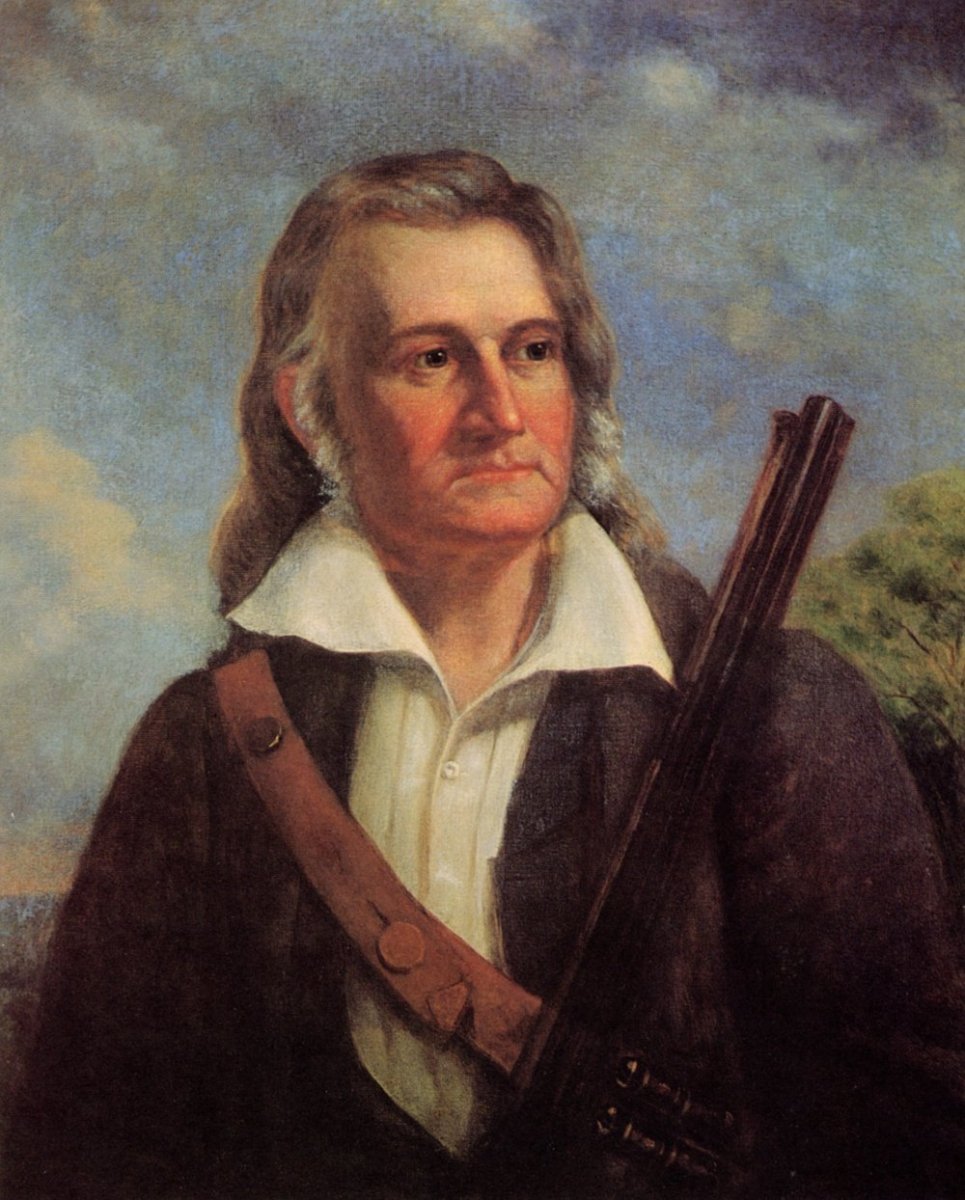
John James Audubon (1785-1851), born Jean-Jacques Rabin, was a French-American self-trained artist, naturalist, and ornithologist. His combined interests in art and ornithology turned into a plan to make a complete pictorial record of all the bird species of North America. He was notable for his extensive studies documenting all types of American birds and for his detailed illustrations, which depicted the birds in their natural habitats. His major work, a colour-plate book titled The Birds of America (1827–1839), is considered one of the finest ornithological works ever completed.
Audubon is also known for identifying 25 new species. He is the eponym of the National Audubon Society, and his name adorns a large number of towns, neighbourhoods and streets across the United States. Dozens of scientific names first published by Audubon are still in use by the scientific community. In recent years, his legacy has become controversial for his involvement in slavery and his racist writings, as well as allegations of dishonesty.
From his earliest days, the young Audubon had an affinity for birds. "I felt an intimacy with them...bordering on frenzy [that] must accompany my steps through life." His father encouraged his interest in nature. He would point out the elegant movement of the birds, and the beauty and softness of their plumage. He called my attention to their show of pleasure or sense of danger, their perfect forms and splendid attire. He would speak of their departure and return with the seasons.
In 1803, his father obtained a false passport so that Jean-Jacques could go to the United States to avoid conscription in the Napoleonic Wars. 18-year-old Jean-Jacques boarded ship, anglicising his name to John James Audubon.
Audubon set about to study American birds, determined to illustrate his findings in a more realistic manner than most artists did then. He began drawing and painting birds and recording their behaviour.
In 1808, Audubon moved to Kentucky, which was rapidly being settled. Six months later, he married Lucy Bakewell at her family estate, Fatland Ford, Pennsylvania, and took her the next day to Kentucky. The two shared many common interests and began to explore the natural world around them. Though their finances were tenuous, the Audubons started a family. They had two sons, Victor Gifford (1809-1860) and John Woodhouse Audubon (1812-1862), and two daughters who died while still young. Both sons eventually helped publish their father's works. John W. Audubon became a naturalist, writer and painter in his own right.
During a visit to Philadelphia in 1812 following Congress' declaration of war against Great Britain, Audubon became an American citizen and had to give up his French citizenship. After his return to Kentucky, he found that rats had eaten his entire collection of more than 200 drawings. After weeks of depression, he took to the field again, determined to re-do his drawings to an even higher standard.
Audubon worked for a brief time as the first paid employee of the Western History Society, now known as The Museum of Natural History at The Cincinnati Museum Center. He then travelled south on the Mississippi with his gun, paintbox, and assistant Joseph Mason, who stayed with him from October 1820 to August 1822 and painted the plant life backgrounds of many of Audubon's bird studies. He was committed to find and paint all the birds of North America for eventual publication. His goal was to surpass the earlier ornithological work of poet-naturalist Alexander Wilson. Though he could not afford to buy Wilson's work, Audubon used it to guide him when he had access to a copy.
Audubon called his future work The Birds of America. He attempted to paint one page each day. Painting with newly discovered technique, he decided his earlier works were inferior and re-did them. He hired hunters to gather specimens for him. Audubon realised the ambitious project would take him away from his family for months at a time.
Lucy became the steady breadwinner for the couple and their two young sons. Trained as a teacher, she conducted classes for children in their home. Later she was hired as a local teacher in Louisiana. She boarded with their children at the home of a wealthy plantation owner, as was often the custom of the time.
In 1824, Audubon returned to Philadelphia to seek a publisher for his bird drawings. He took oil painting lessons from Thomas Sully and met Charles Bonaparte, who admired his work and recommended he go to Europe to have his bird drawings engraved.
With his wife's support, in 1826 at age 41, Audubon took his growing collection of work to England. He sailed from New Orleans to Liverpool, reaching England in the autumn of 1826 with his portfolio of over 300 drawings. With letters of introduction to prominent Englishmen, and paintings of imaginary species including the "Bird of Washington", Audubon gained their quick attention.
The British could not get enough of Audubon's images of backwoods America and its natural attractions. He raised enough money to begin publishing his The Birds of America. This monumental work consists of 435 hand-coloured, life-size prints of 497 bird species, made from engraved copper plates of various sizes depending on the size of the image.
The first and perhaps most famous plate was the wild turkey. Among the earliest plates printed was the "Bird of Washington", which generated favourable publicity for Audubon as his first discovery of a new species. However, no specimen of the species has ever been found, and research published in 2020 suggests that this plate was a mixture of plagiarism and ornithological fraud.
He followed The Birds of America with a sequel Ornithological Biographies. This was a collection of life histories of each species written with Scottish ornithologist William MacGillivray. The two books were printed separately to avoid a British law requiring copies of all publications with text to be deposited in copyright libraries, a huge financial burden for the self-published Audubon. Both books were published between 1827 and 1839.
In 1841, having finished the Ornithological Biographies, Audubon returned to the United States with his family. Between 1840 and 1844, he published an octavo edition of The Birds of America, with 65 additional plates. Printed in standard format to be more affordable than the oversize British edition, it earned $36,000 and was purchased by 1100 subscribers. Audubon spent much time on "subscription-gathering trips", drumming up sales of the octavo edition, as he hoped to leave his family a sizeable income.
Audubon made some excursions out West where he hoped to record Western species he had missed, but his health began to fail. In 1848, he manifested signs of senility or possibly dementia from what is now called Alzheimer's disease, his "noble mind in ruins". He died at his family home in northern Manhattan on January 27, 1851. Audubon is buried in the graveyard at the Church of the Intercession in the Trinity Church Cemetery and Mausoleum at 155th Street and Broadway in Manhattan, near his home. An imposing monument in his honour was erected at the cemetery, which is now recognised as part of the Heritage Rose District of NYC.
Audubon's final work dealt with mammals; he prepared The Viviparous Quadrupeds of North America (1845-1849) in collaboration with his good friend Rev. John Bachman of Charleston, South Carolina, who supplied much of the scientific text. His son, John Woodhouse Audubon, drew most of the plates. The work was completed by Audubon's sons, and the second volume was published posthumously in 1851.
Images to download
-

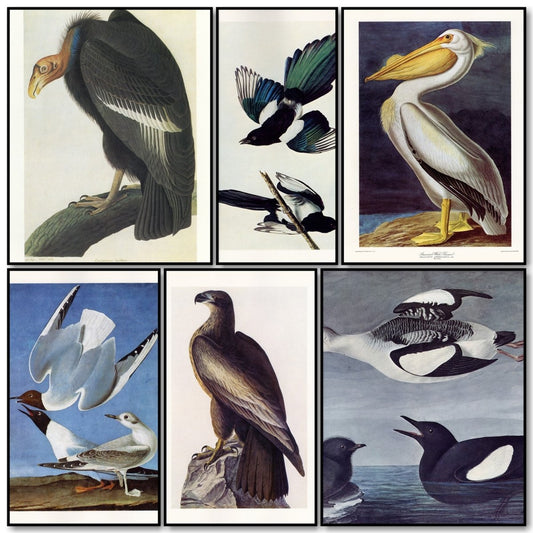
John James Audubon - 533 High Resolution Images
Vendor:Digital Download - 533 imagesRegular price £8.00Regular priceUnit price per -

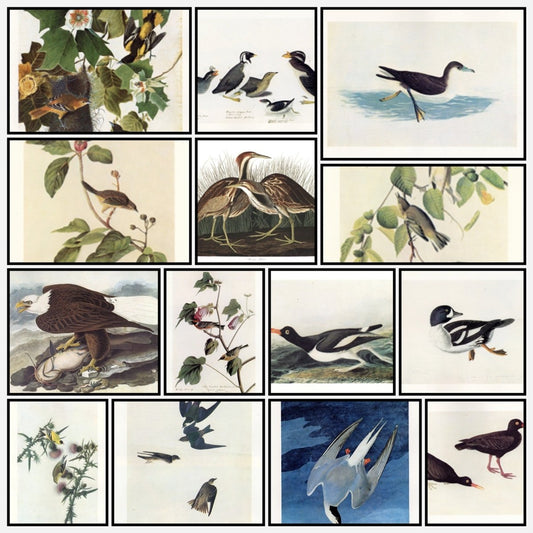
Birds of America, The 1844 - John J. Audubon (1785-1851) - 383 images
Vendor:Digital Download - 383 imagesRegular price £6.00Regular priceUnit price per -

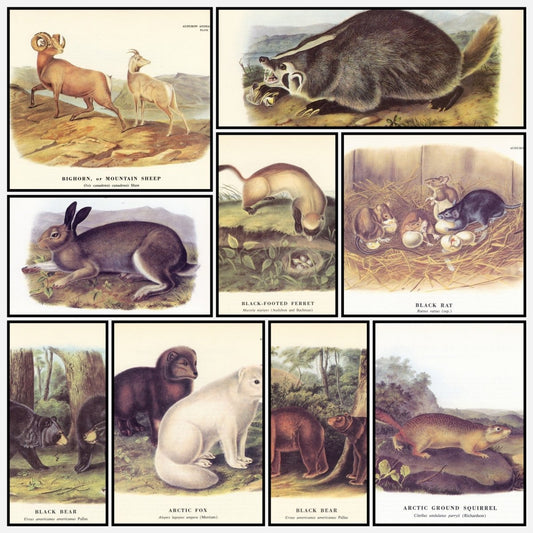
Quadrupeds of North America 1851, The - John J. Audubon (1785-1851) - 150 images
Vendor:Digital Download - 150 imagesRegular price £4.00Regular priceUnit price per -

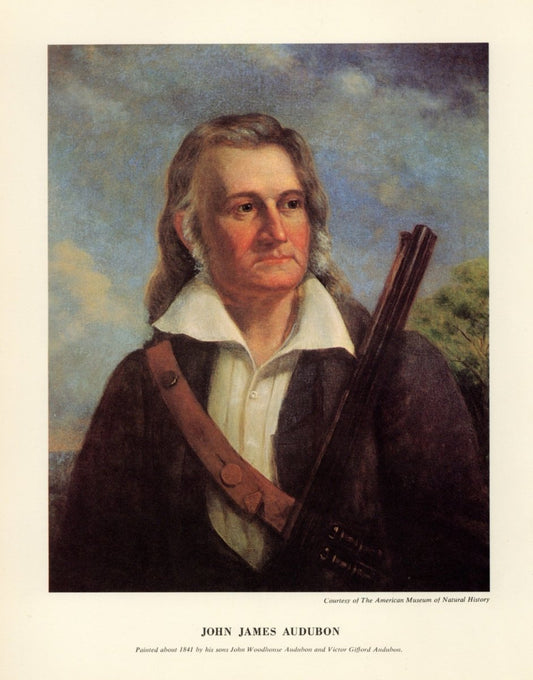
Audubon, J.W. (1812-1862) & Audubon, V.G. (1809-1860) - Portrait of John James Audubon
Vendor:Digital Download - 1 imageRegular price £0.80Regular priceUnit price per -

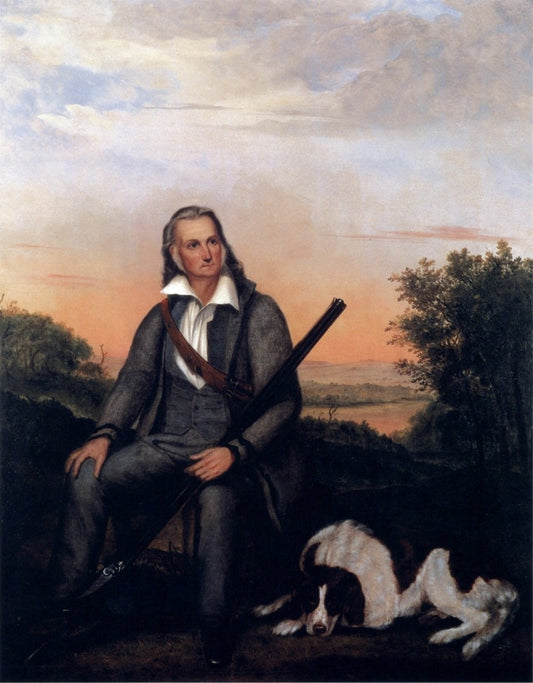
Audubon, J.W. (1812-1862) - Portrait of John James Audubon c.1840-41
Vendor:Digital Download - 1 imageRegular price £0.80Regular priceUnit price per -

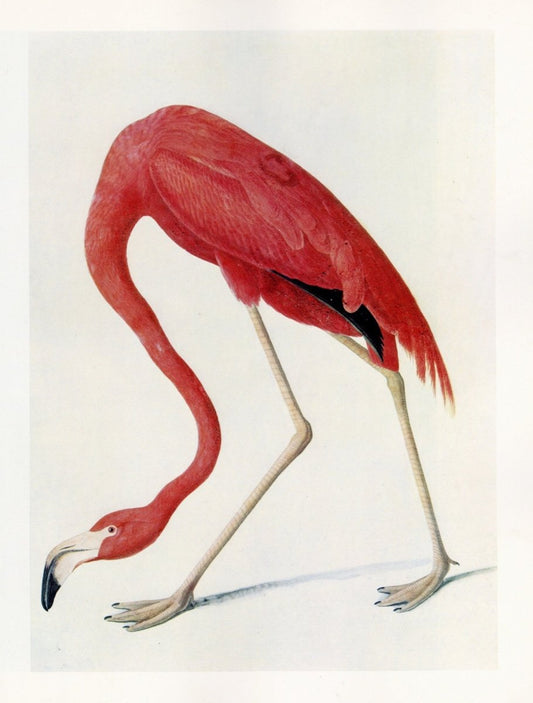
Audubon, J.J. (1785-1851) - American Flamingo
Vendor:Digital Download - 1 imageRegular price £0.80Regular priceUnit price per -

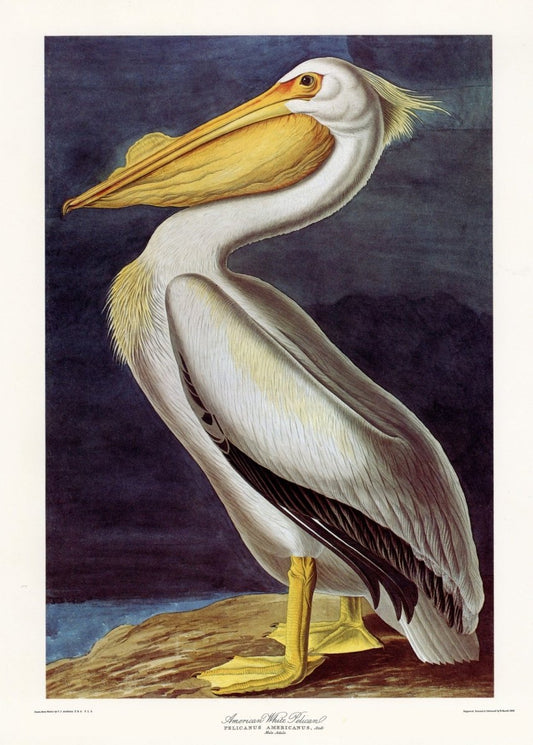
Audubon, J.J. (1785-1851) - White Pelican
Vendor:Digital Download - 1 imageRegular price £0.80Regular priceUnit price per -

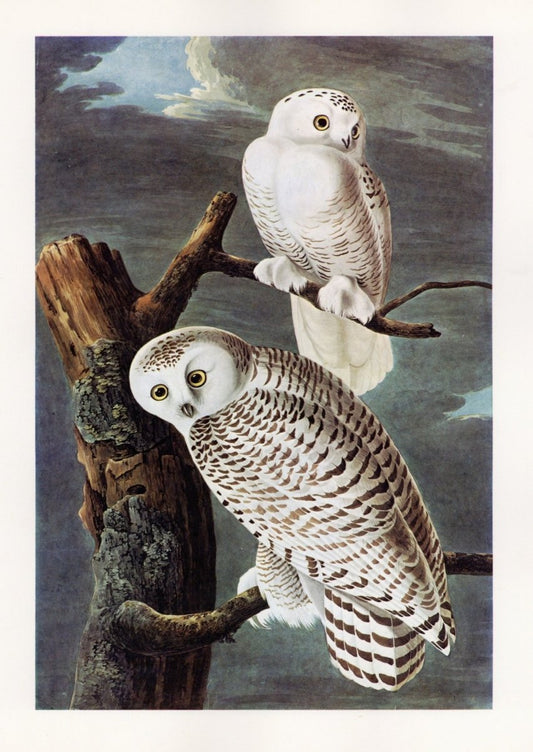
Audubon, J.J. (1785-1851) - Snowy Owl
Vendor:Digital Download - 1 imageRegular price £0.80Regular priceUnit price per -

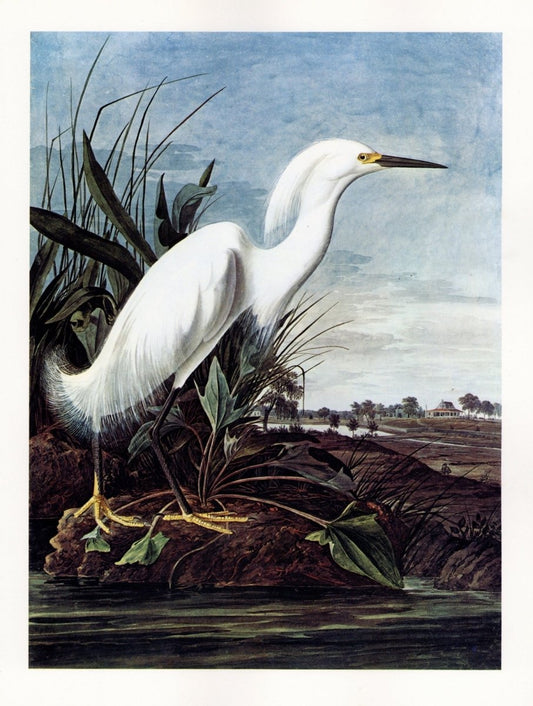
Audubon, J.J. (1785-1851) - Snowy Egret
Vendor:Digital Download - 1 imageRegular price £0.80Regular priceUnit price per -

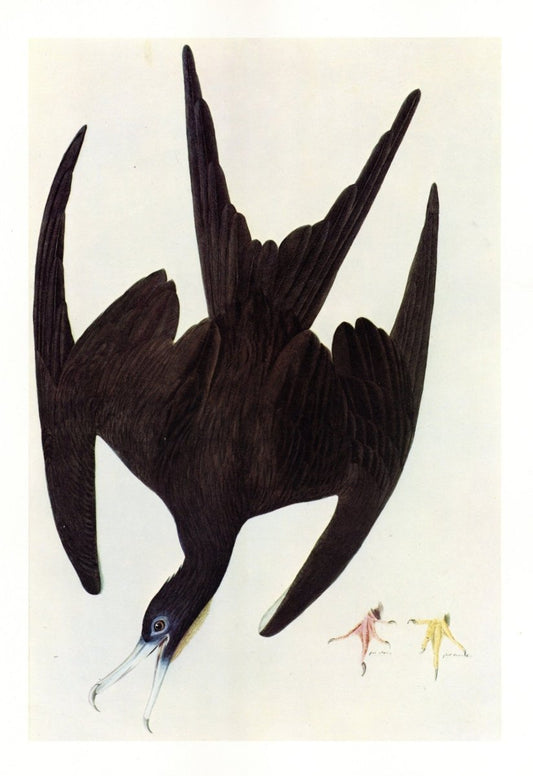
Audubon, J.J. (1785-1851) - Birds of America 1844 - Magnificent Frigatebird
Vendor:Digital Download - 1 imageRegular price £0.80Regular priceUnit price per -

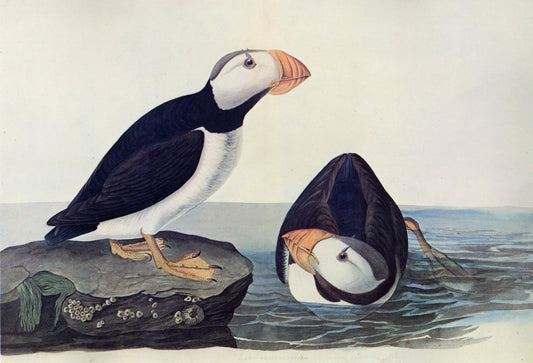
Audubon, J.J. (1785-1851) - Birds of America 1844 - Horned Puffin
Vendor:Digital Download - 1 imageRegular price £0.80Regular priceUnit price per -

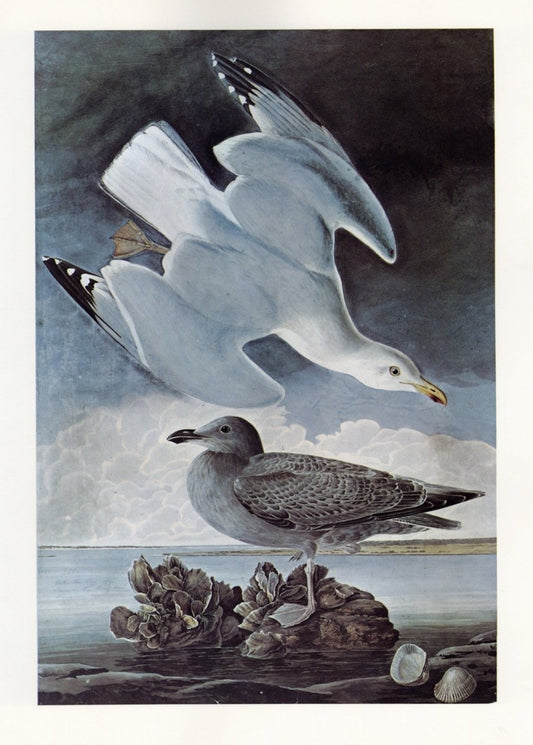
Audubon, J.J. (1785-1851) - Birds of America 1844 - Herring Gull
Vendor:Digital Download - 1 imageRegular price £0.80Regular priceUnit price per -

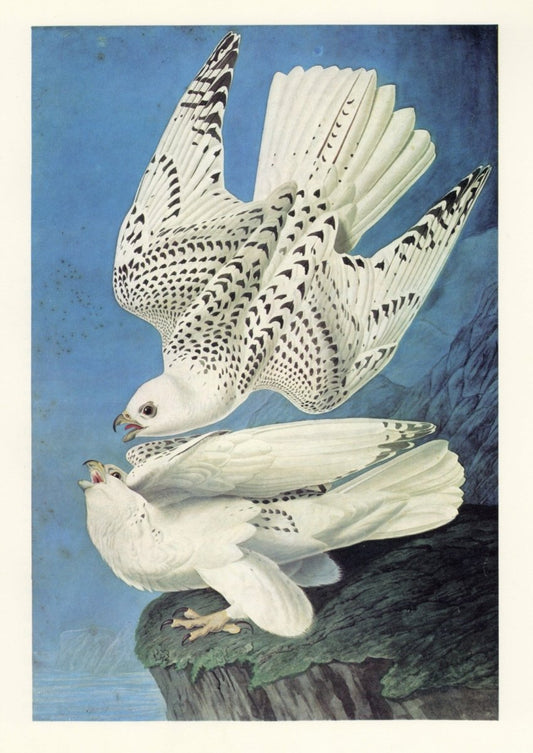
Audubon, J.J. (1785-1851) - Birds of America 1844 - Gyr Falcon
Vendor:Digital Download - 1 imageRegular price £0.80Regular priceUnit price per -

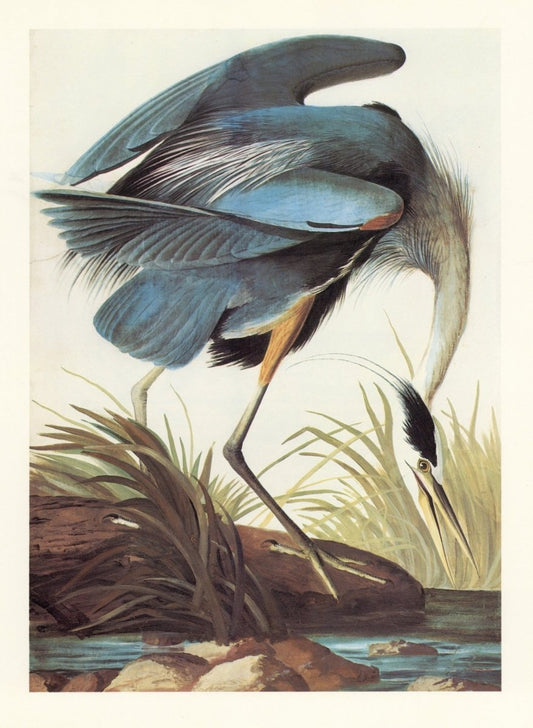
Audubon, J.J. (1785-1851) - Birds of America 1844 - Great Blue Heron
Vendor:Digital Download - 1 imageRegular price £0.80Regular priceUnit price per -

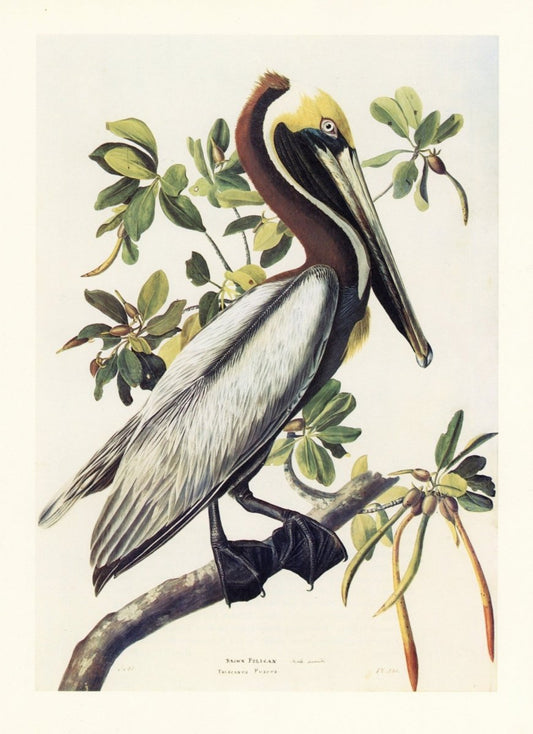
Audubon, J.J. (1785-1851) - Birds of America 1844 - Brown Pelican
Vendor:Digital Download - 1 imageRegular price £0.80Regular priceUnit price per -

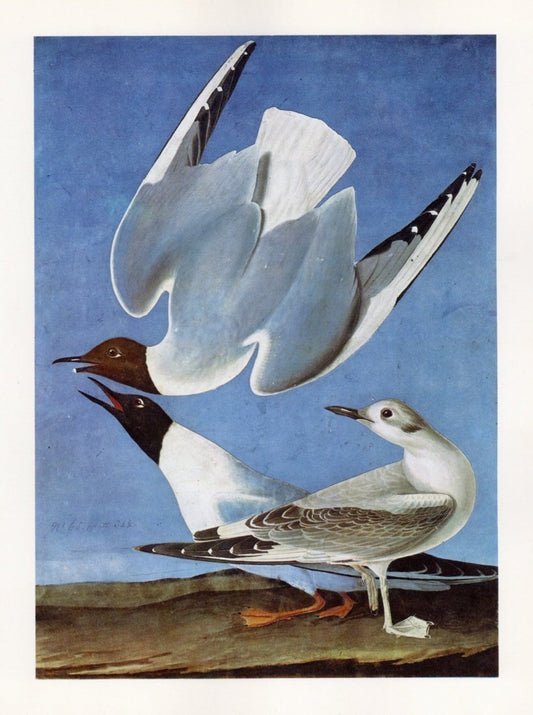
Audubon, J.J. (1785-1851) - Birds of America 1844 - Bonaparte's Gull
Vendor:Digital Download - 1 imageRegular price £0.80Regular priceUnit price per -

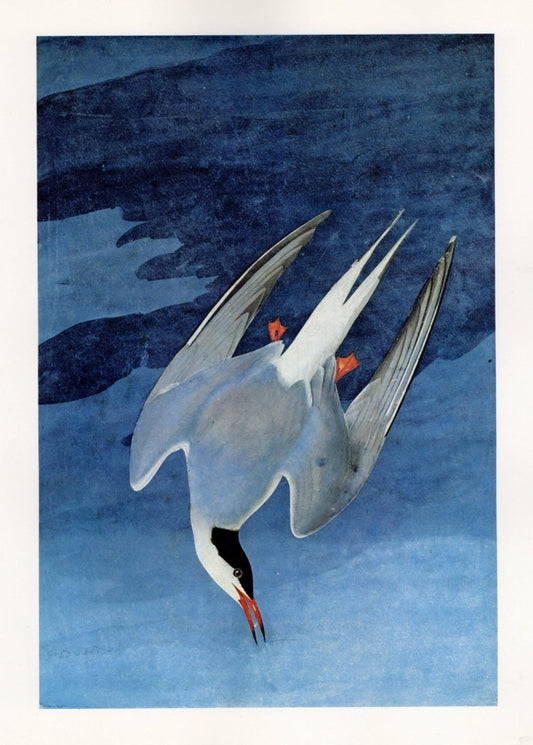
Audubon, J.J. (1785-1851) - Birds of America 1844 - Arctic Tern
Vendor:Digital Download - 1 imageRegular price £0.80Regular priceUnit price per -

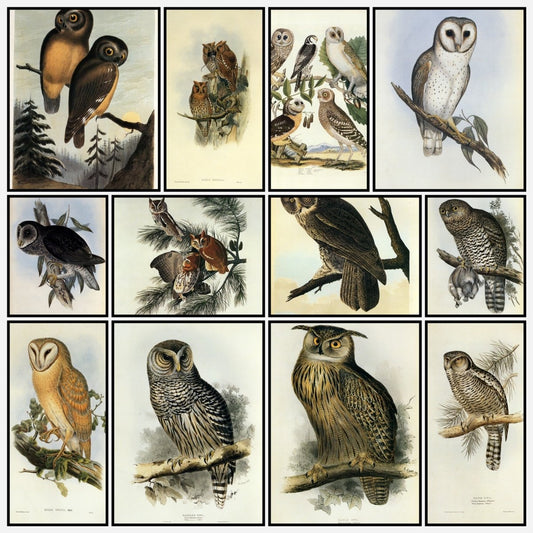
Owls - 40 High Resolution Images
Vendor:Digital Download - 40 imagesRegular price £4.00Regular priceUnit price per -

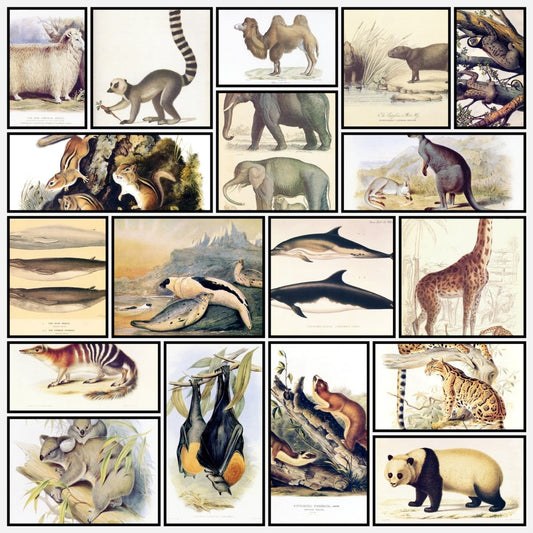
Mammals of the World - 56 High Resolution Images
Vendor:Digital Download - 56 imagesRegular price £4.00Regular priceUnit price per


Latest Picture Trove Blog Posts
View all-

William Morris’s Strawberry Thief: The Story Behind a Classic Arts and Crafts Pattern
Few William Morris designs are as instantly recognisable as Strawberry Thief. With its richly patterned foliage, small red strawberries and watchful birds hidden among curling leaves, it has become one of the most loved designs of the Arts and Crafts movement.
William Morris’s Strawberry Thief: The Story Behind a Classic Arts and Crafts Pattern
Few William Morris designs are as instantly recognisable as Strawberry Thief. With its richly patterned foliage, small red strawberries and watchful birds hidden among curling leaves, it has become one of the most loved designs of the Arts and Crafts movement.
-

Glasgow and the Mackintosh Style
We recently took ourselves off to Scotland, and on our travels, we popped into the Mackintosh Tea Rooms in Glasgow for a bit of a nose around and a spot of lunch.
Glasgow and the Mackintosh Style
We recently took ourselves off to Scotland, and on our travels, we popped into the Mackintosh Tea Rooms in Glasgow for a bit of a nose around and a spot of lunch.
-

A Trip to Edinburgh & Glasgow, and Scottish Art
We have just returned from a well-deserved few days' break in Scotland, visiting both Edinburgh and Glasgow, taking in Scottish art and tea rooms!
A Trip to Edinburgh & Glasgow, and Scottish Art
We have just returned from a well-deserved few days' break in Scotland, visiting both Edinburgh and Glasgow, taking in Scottish art and tea rooms!


