
-
 Digital Download - 1 image
 -
 Dimensions 4725 x 7829 pixels


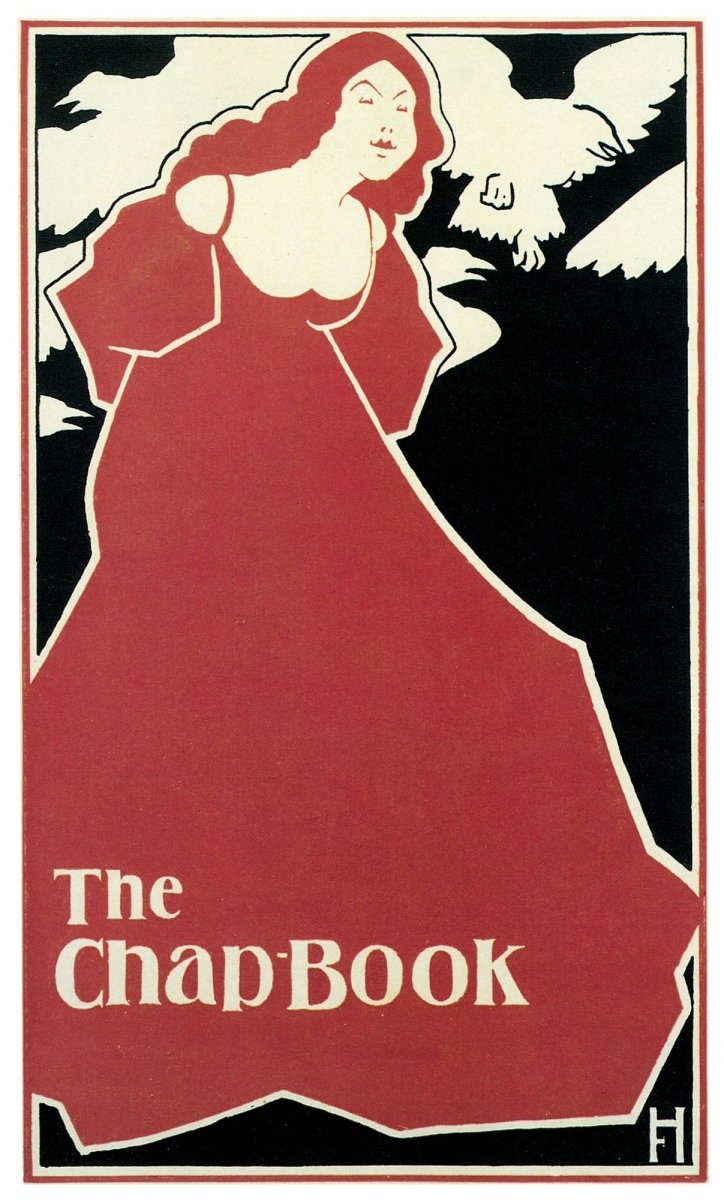
Hazenplug, Frank (1873-1931) - The Chap Book, Red Lady 1895
Hazenplug, Frank (1873-1931) - The Chap Book, Red Lady 1895
Digital Download - 1 image
Bought from us before? Sign in to check whether you already own this product.
Couldn't load pickup availability
- All images are out of copyright
- Commercial use allowed
- Immediate download after purchase
This is a cover from an edition of the Chap-book from 1895. The Chap-Book was an American literary magazine that ran between 1894 and 1898.
This download consists of 1 image in JPEG format that is 300dpi and 4725 pixels wide by 7829 pixels tall.
The picture is out of copyright and in the public domain, so you are free to use it in whatever way you'd like, including commercial use.
Read more about Frank Hazenplug.


Public Domain Copyright Rules
The pictures in our collections are out of copyright in the United States, the UK, Canada, most of Europe, Australia and all countries that follow the lifetime plus 70 years rule. Read our blog post about public domain copyright rules for more information.