

William Segar (c.1554-1633) stands as a pivotal figure in the development of English portraiture and heraldic art during the late Elizabethan and early Stuart periods. Born around 1554, Segar’s career spanned the reigns of Elizabeth I, James I, and Charles I, placing him at the heart of some of the most significant events and cultural shifts in early modern England.
Segar began his professional life as a herald, an officer of arms responsible for matters of genealogy and coats of arms. He joined the College of Arms in London, an institution central to the regulation of heraldic affairs, and gradually rose through its ranks. By 1604, Segar was appointed Garter Principal King of Arms, the highest heraldic office in England, a testament to his expertise and standing among peers. This role brought him into close contact with the English aristocracy and the workings of the royal court, influencing both his artistic output and his network of patrons.
While Segar is perhaps most renowned for his heraldic work, he was also a talented portraitist. His paintings are characterised by a meticulous attention to detail, particularly in the rendering of sumptuous fabrics, intricate lace, and the elaborate accoutrements beloved of the Elizabethan and Jacobean elite. Segar’s portraits often capture his sitters in stiff, formal poses, reflecting the conventions of his era but also a striking sense of presence and dignity. Notable examples include his portraits of Sir Francis Drake, Robert Devereux (the Earl of Essex), and James I, which today offer valuable insights into the fashion and bearing of England’s ruling class.
Segar’s dual roles as artist and herald set him apart from many of his contemporaries. He was responsible for several illuminated manuscripts and ceremonial documents, blending his artistic skill with his heraldic expertise. One of his most important contributions was his involvement in the organisation and documentation of state occasions such as coronations and funerals, where his knowledge of pageantry and symbolism was invaluable.
Despite his success, Segar’s career was not without controversy. He was briefly imprisoned for his involvement in a heraldic dispute, highlighting the sometimes fraught nature of courtly life and the significance attached to matters of lineage and status.
William Segar died in 1633, leaving behind a legacy that bridges the worlds of art and heraldry. His works remain a testament to the sophistication and formality of early modern English society, and his influence endures in the traditions of the College of Arms and in the history of British portraiture.
Images to download
-

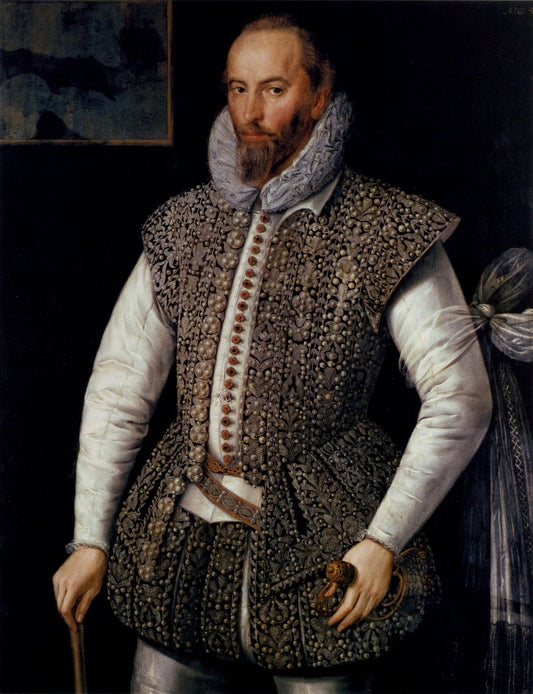
Segar, William (c.1554-1633) - Sir Walter Raleigh 1598
Vendor:Digital Download - 1 imageRegular price £0.80Regular priceUnit price per -

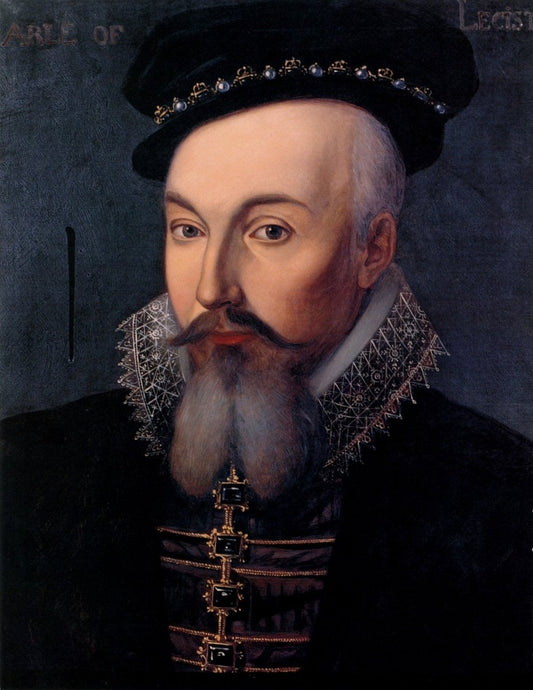
Segar, William (c.1554-1633) - Robert Dudley, Earl of Leicester 1588
Vendor:Digital Download - 1 imageRegular price £0.80Regular priceUnit price per -

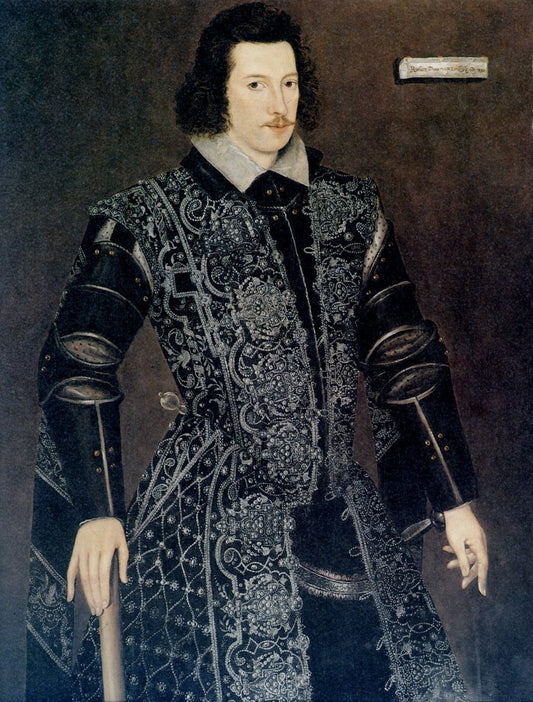
Segar, William (c.1554-1633) - Robert Devereux, second Earl of Essex
Vendor:Digital Download - 1 imageRegular price £0.80Regular priceUnit price per


Latest Picture Trove Blog Posts
View all-

William Morris’s Strawberry Thief: The Story Behind a Classic Arts and Crafts Pattern
Few William Morris designs are as instantly recognisable as Strawberry Thief. With its richly patterned foliage, small red strawberries and watchful birds hidden among curling leaves, it has become one of the most loved designs of the Arts and Crafts movement.
William Morris’s Strawberry Thief: The Story Behind a Classic Arts and Crafts Pattern
Few William Morris designs are as instantly recognisable as Strawberry Thief. With its richly patterned foliage, small red strawberries and watchful birds hidden among curling leaves, it has become one of the most loved designs of the Arts and Crafts movement.
-

Glasgow and the Mackintosh Style
We recently took ourselves off to Scotland, and on our travels, we popped into the Mackintosh Tea Rooms in Glasgow for a bit of a nose around and a spot of lunch.
Glasgow and the Mackintosh Style
We recently took ourselves off to Scotland, and on our travels, we popped into the Mackintosh Tea Rooms in Glasgow for a bit of a nose around and a spot of lunch.
-

A Trip to Edinburgh & Glasgow, and Scottish Art
We have just returned from a well-deserved few days' break in Scotland, visiting both Edinburgh and Glasgow, taking in Scottish art and tea rooms!
A Trip to Edinburgh & Glasgow, and Scottish Art
We have just returned from a well-deserved few days' break in Scotland, visiting both Edinburgh and Glasgow, taking in Scottish art and tea rooms!


