

Images to download
-

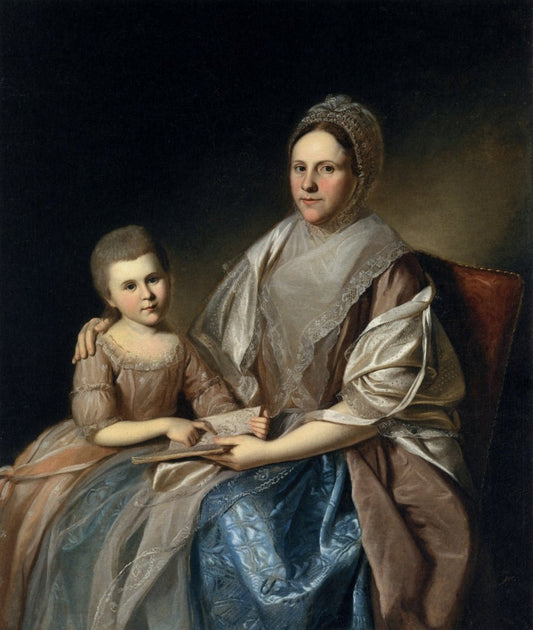
Peale, Charles Willson (1741-1827) - Mrs Samuel Mifflin and her Granddaughter 1777-80
Vendor:Digital Download - 1 imageRegular price £0.80Regular priceUnit price per -

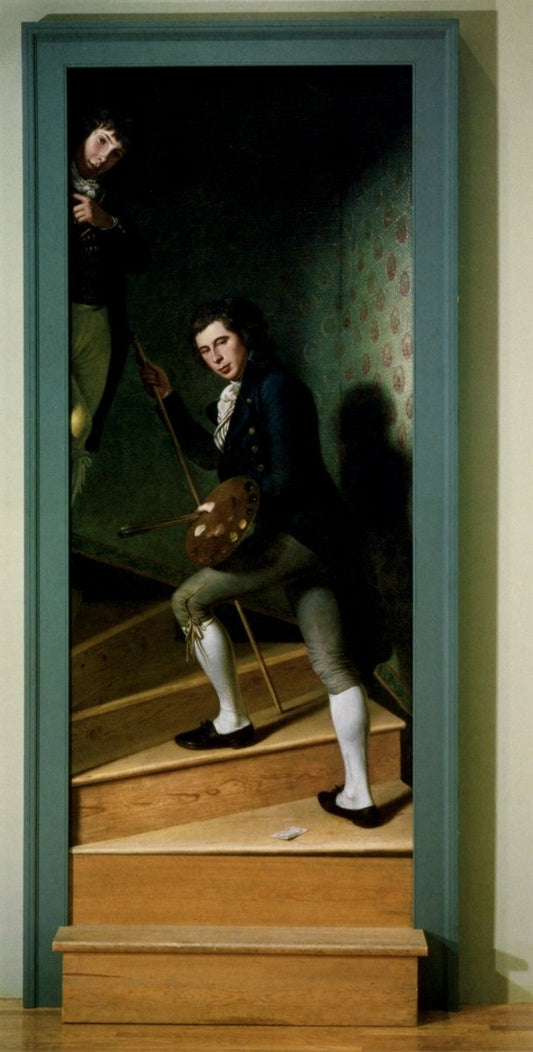
Peale, Charles Wilson (1741-1827) - Group on a Staircase 1795
Vendor:Digital Download - 1 imageRegular price £0.80Regular priceUnit price per -

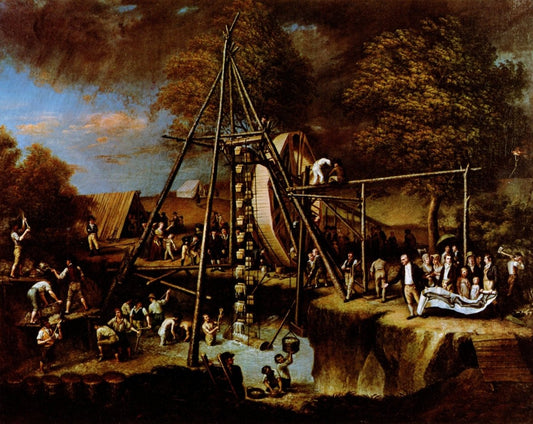
Peale, Charles Wilson (1741-1827) - Disinterment of the Mastodon 1806-8
Vendor:Digital Download - 1 imageRegular price £0.80Regular priceUnit price per -

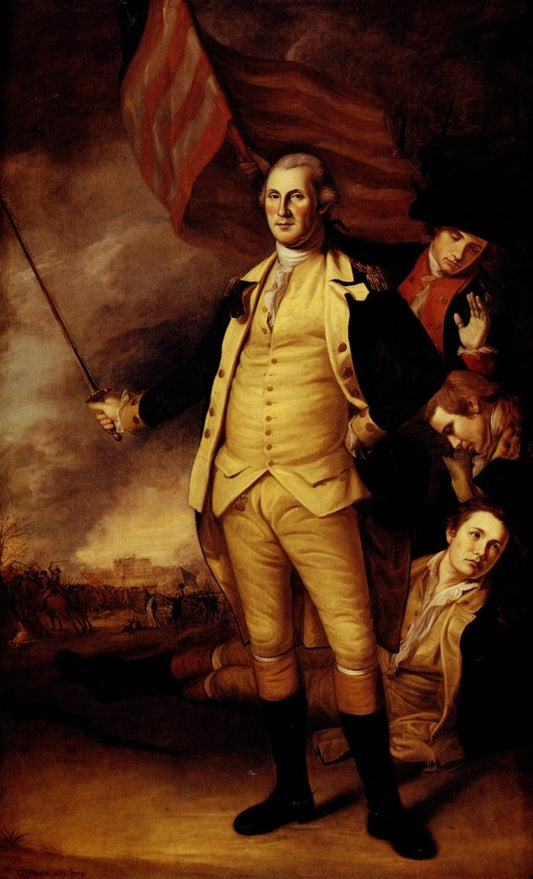
Peale, Charles Willson (1741-1827) - Washington at the Battle of Princetown 1777 1784
Vendor:Digital Download - 1 imageRegular price £0.80Regular priceUnit price per


Latest Picture Trove Blog Posts
View all-

William Morris’s Strawberry Thief: The Story Behind a Classic Arts and Crafts Pattern
Few William Morris designs are as instantly recognisable as Strawberry Thief. With its richly patterned foliage, small red strawberries and watchful birds hidden among curling leaves, it has become one of the most loved designs of the Arts and Crafts movement.
William Morris’s Strawberry Thief: The Story Behind a Classic Arts and Crafts Pattern
Few William Morris designs are as instantly recognisable as Strawberry Thief. With its richly patterned foliage, small red strawberries and watchful birds hidden among curling leaves, it has become one of the most loved designs of the Arts and Crafts movement.
-

Glasgow and the Mackintosh Style
We recently took ourselves off to Scotland, and on our travels, we popped into the Mackintosh Tea Rooms in Glasgow for a bit of a nose around and a spot of lunch.
Glasgow and the Mackintosh Style
We recently took ourselves off to Scotland, and on our travels, we popped into the Mackintosh Tea Rooms in Glasgow for a bit of a nose around and a spot of lunch.
-

A Trip to Edinburgh & Glasgow, and Scottish Art
We have just returned from a well-deserved few days' break in Scotland, visiting both Edinburgh and Glasgow, taking in Scottish art and tea rooms!
A Trip to Edinburgh & Glasgow, and Scottish Art
We have just returned from a well-deserved few days' break in Scotland, visiting both Edinburgh and Glasgow, taking in Scottish art and tea rooms!


