

Eugène Samuel Grasset (1845-1917) was a Swiss decorative artist who worked in Paris, France in a variety of creative design fields during the Belle Époque. He is considered a pioneer in Art Nouveau design.
Grasset was born in Lausanne, Switzerland on 25 May 1845. He was raised in an artistic environment as the son of a cabinetmaker and sculptor who taught him at an early age how to use the chisel and the gouge. He studied drawing under Francois-Louis David Bocion (1828-1890) and in 1861 went to Zürich to study architecture. After completing his education, he visited Egypt, an experience that would later be reflected in a number of his poster designs. He became an admirer of Japanese art, which influenced some of his designs as well.
Between 1869 and 1870, Grasset worked as a theatre painter and sculptor in Lausanne. Here he met Viollet le Duc, whose reflection on the Middle Ages and the method advocating the link between form, function and material came to permeate Grasset's work. In 1871 he moved to Paris and he started to design furniture, wallpapers, fabrics, and tapestries as well as ceramics and jewellery. He created architectural elements of woodwork that were integrated into buildings. His fine art decorative pieces were crafted from ivory, gold, and other precious materials in unique combinations, and his creations are considered a cornerstone of Art Nouveau motifs and patterns.
In 1877 Eugène Grasset turned to graphic design, producing income-generating products such as postcards and eventually postage stamps for both France and Switzerland. It was poster art, based on the work of Viollet le Duc, that quickly became his forte. Some of his works became part of the Maîtres de l'Affiche, including his lithograph, "Jeanne d'Arc Sarah Bernhardt". In 1890, he designed the "Semeuse who spreads seeds of dandelion" logo used by the dictionary publishers, Éditions Larousse. Grasset's commercial work would be based on the drawings of Viollet le Duc.
With the growing popularity of French posters in the United States, Grasset was soon contacted by several American companies. In the 1880s, he did his first American commission and more success led to his cover design for the 1892 Christmas issue of Harper's Magazine. In 1894 he created "The Wooly Horse" and "The Sun of Austerlitz" for The Century Magazine to help advertise their serialised story on the life of Napoleon Bonaparte. The "Wooly Horse" image proved so popular that Louis Comfort Tiffany recreated it in stained glass. Grasset's work for U.S. institutions helped pave the way for Art Nouveau to dominate American art.
Grasset taught design at the École Guérin from 1890 to 1903, at the École d’Art Graphique in the Rue Madame from 1903 to 1904, at the Académie de la Grande Chaumière from 1904 to 1913, and at the École Estienne in Paris. Grasset had freely adapted the alphabet of Nicolas Jenson (1471) with the intention of using it to print a book on his own method for ornamental composition, inspired by the courses he gave to the Guérin school. Georges Peignot acquired Grasset's alphabet and obtained an official patent on 7 October 1897 for the typeface under the name, "Grasset". He then gave Henri Parmentier, the workshop's punchcutter, the mission to engrave it.
In 1896 he published a dissertation on the use of plants in designs, that featured images of designs prepared by his students. Among his students were Paul Berthon, Georges Bourgeot, Paul Follot, Marcelle Gaudin, Augusto Giacometti, Arsène Herbinier, Anna Martin, Mathurin Méheut, Juliette Milési, Otto Ernst Schmidt, Auguste Silice, Maurice Pillard Verneuil, Aline Poitevin, Pierre Selmersheim, Tony Selmersheim, Camille Gabriel Schlumberger, Eliseu Visconti, and Philippe Wolfers
At the Universal Exhibition of 1900 in Paris, the G. Peignot et Fils type-foundry introduced the "Grasset" typeface, an Italic design created by Eugène Grasset in 1898 for use on some of his posters. Additionally, Grasset collaborated with jeweller Henri Vever, showcasing works such as the intricate 'Hercules' pendant, praised for its detailed artistry and mythological inspiration.
Grasset died in 1917 in Sceaux in the Hauts-de-Seine département, southwest of Paris.
Images to download
-

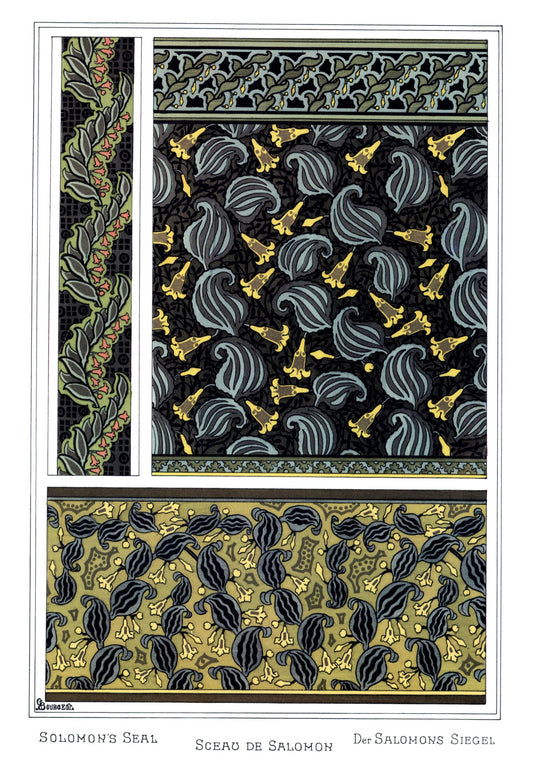
Bourgeot, Georges (1876-1955) - Solomon's Seal or Sceau de Salomon 1896
Vendor:Digital Download - 1 imageRegular price £1.00Regular priceUnit price per -


Gaudin, Marcelle (1877-1935) - Geranium Sauvage 1896
Vendor:Digital Download - 1 imageRegular price £1.00Regular priceUnit price per -


Gaudin, Marcelle (1877-1935) - Periwinkle or Pervenche 1896
Vendor:Digital Download - 1 imageRegular price £1.00Regular priceUnit price per -


Grasset, Eugène (1841-1917) - Avril, from Les Mois 1894
Vendor:Digital Download - 1 imageRegular price £0.80Regular priceUnit price per -


Grasset, Eugène (1841-1917) - Century Magazine, A New Life of Napoleon 1894
Vendor:Digital Download - 1 imageRegular price £0.80Regular priceUnit price per -


Grasset, Eugène (1841-1917) - Danger 1897
Vendor:Digital Download - 1 imageRegular price £0.80Regular priceUnit price per -


Grasset, Eugène (1841-1917) - Eau de Lubin
Vendor:Digital Download - 1 imageRegular price £0.80Regular priceUnit price per -


Grasset, Eugène (1841-1917) - Encre L. Marquet 1892
Vendor:Digital Download - 1 imageRegular price £0.80Regular priceUnit price per -


Grasset, Eugène (1841-1917) - Exposition d'Art Decoratif 1893
Vendor:Digital Download - 1 imageRegular price £0.80Regular priceUnit price per -

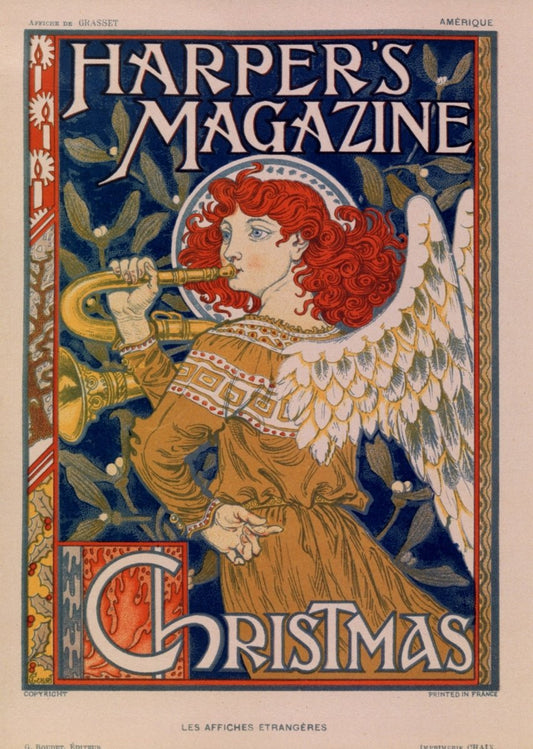
Grasset, Eugène (1841-1917) - Harper's Magazine Christmas Number 1897
Vendor:Digital Download - 1 imageRegular price £0.80Regular priceUnit price per -

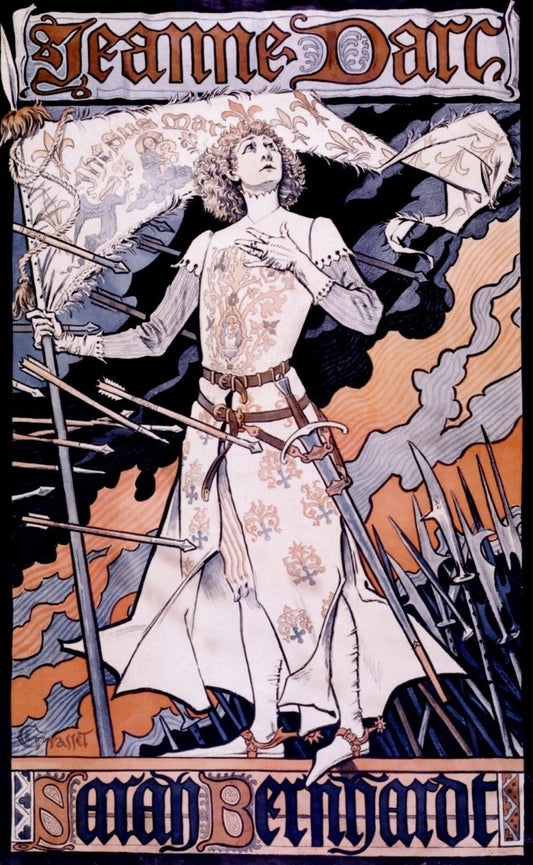
Grasset, Eugène (1841-1917) - Jeanne d'Arc, Sarah Bernhardt c.1889-90
Vendor:Digital Download - 1 imageRegular price £0.80Regular priceUnit price per -


Grasset, Eugène (1841-1917) - Juin, from Les Mois 1894
Vendor:Digital Download - 1 imageRegular price £0.80Regular priceUnit price per -


Grasset, Eugène (1841-1917) - L'Eventail 1900
Vendor:Digital Download - 1 imageRegular price £0.80Regular priceUnit price per -


Grasset, Eugène (1841-1917) - La Grande Dame September 1896
Vendor:Digital Download - 1 imageRegular price £0.80Regular priceUnit price per -


Grasset, Eugène (1841-1917) - La Morphinomane 1897
Vendor:Digital Download - 1 imageRegular price £0.80Regular priceUnit price per -


Grasset, Eugène (1841-1917) - Le Parasol 1900
Vendor:Digital Download - 1 imageRegular price £0.80Regular priceUnit price per -


Grasset, Eugène (1841-1917) - Les Fetes de Paris 1885
Vendor:Digital Download - 1 imageRegular price £0.80Regular priceUnit price per -

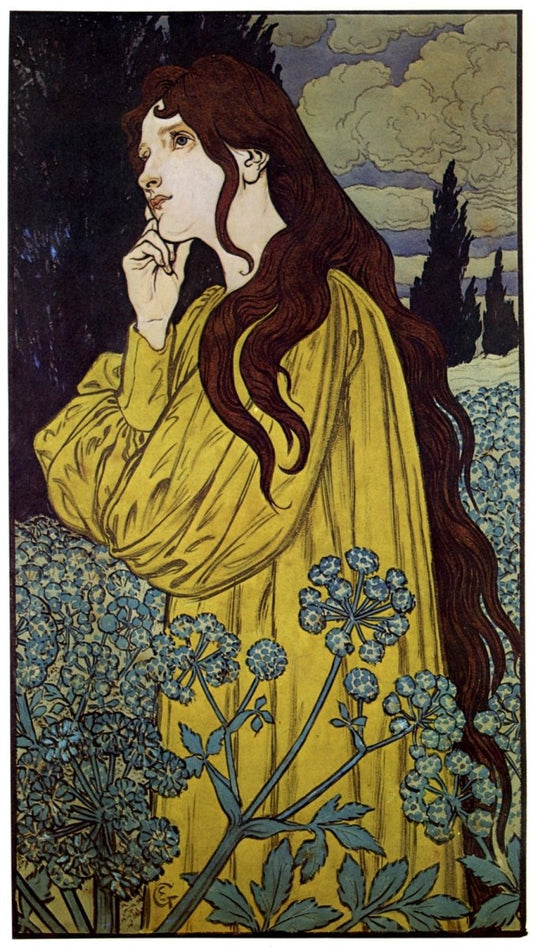
Grasset, Eugène (1841-1917) - Meditation 1897
Vendor:Digital Download - 1 imageRegular price £0.80Regular priceUnit price per -


Grasset, Eugène (1841-1917) - Salon des Cent 1894
Vendor:Digital Download - 1 imageRegular price £0.80Regular priceUnit price per -

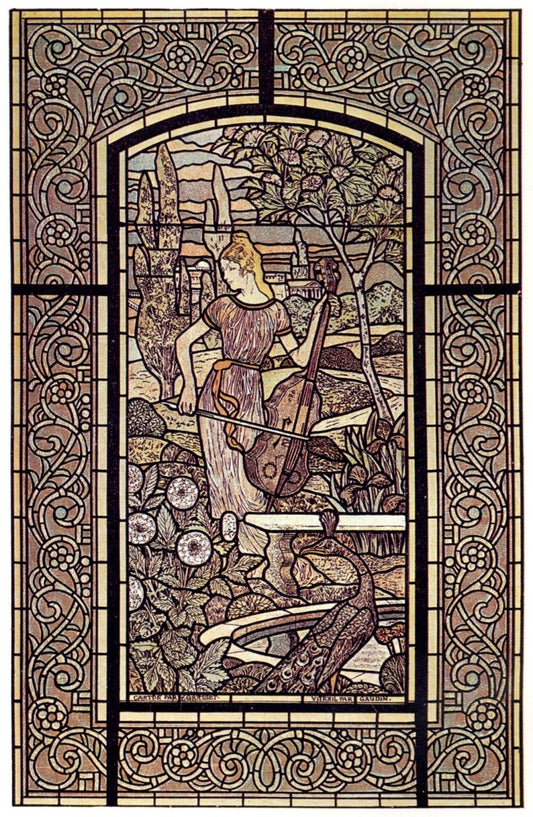
Grasset, Eugène (1841-1917) - Symphonie, Stained Glass Window design
Vendor:Digital Download - 1 imageRegular price £0.80Regular priceUnit price per -


Grasset, Eugène (1841-1917) - The Acid-thrower 1894
Vendor:Digital Download - 1 imageRegular price £0.80Regular priceUnit price per -


Grasset, Eugène (1841-1917) - Three Women and Three Wolves c.1892
Vendor:Digital Download - 1 imageRegular price £0.80Regular priceUnit price per -


Les Maîtres de l’Affiche - 256 High Resolution Images
Vendor:Digital Download - 256 imagesRegular price £6.00Regular priceUnit price per -

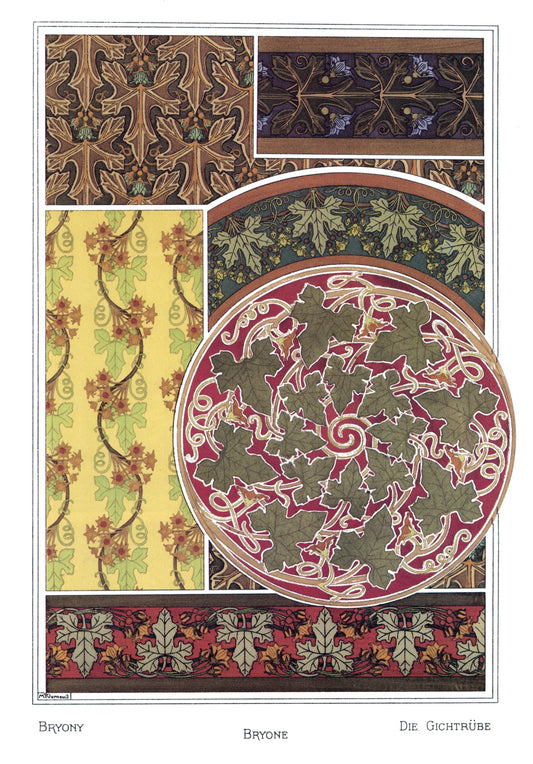
Verneuil, Maurice Pillard (1869-1942) - Bryony or Bryone 1896
Vendor:Digital Download - 1 imageRegular price £1.00Regular priceUnit price per -


Verneuil, Maurice Pillard (1869-1942) - Buttercup 2 or Bouton d’or 1896
Vendor:Digital Download - 1 imageRegular price £0.80Regular priceUnit price per -

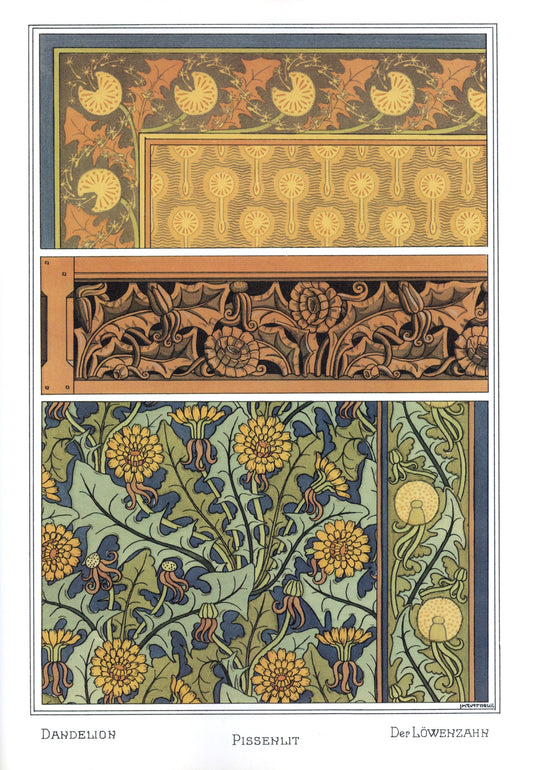
Verneuil, Maurice Pillard (1869-1942) - Dandelion or Pissenlit 1896
Vendor:Digital Download - 1 imageRegular price £1.00Regular priceUnit price per -

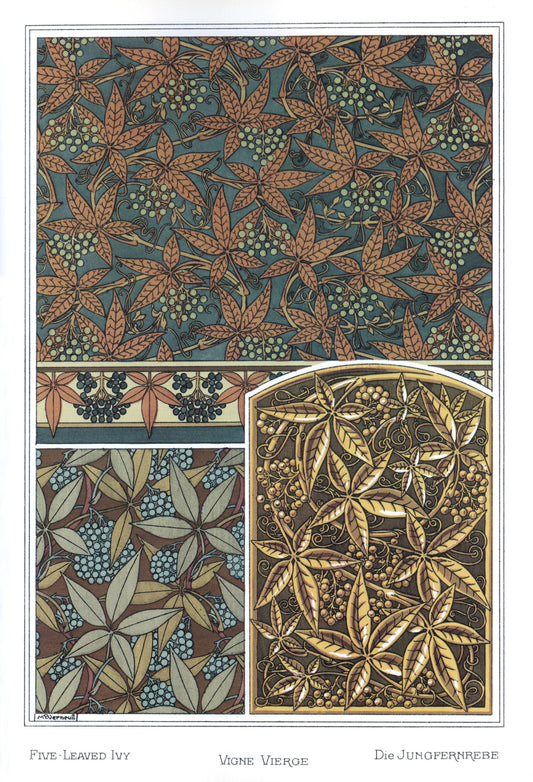
Verneuil, Maurice Pillard (1869-1942) - Five-leaved Ivy or Vigne Vierge 1896
Vendor:Digital Download - 1 imageRegular price £1.00Regular priceUnit price per -

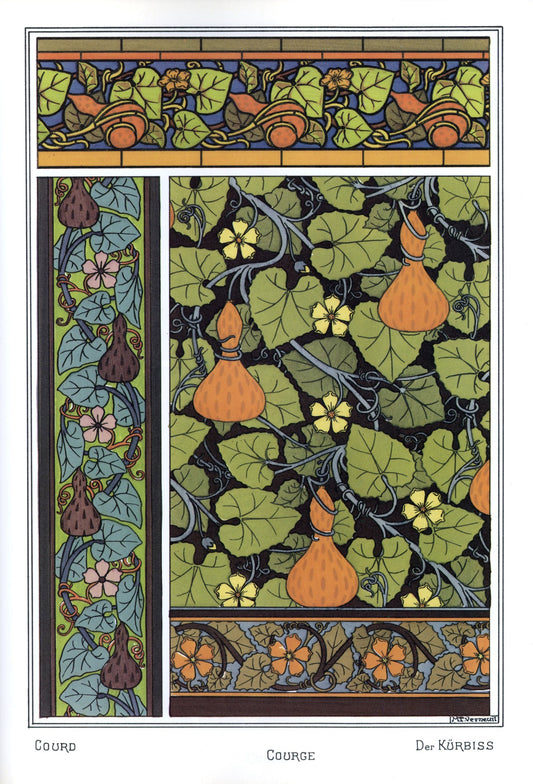
Verneuil, Maurice Pillard (1869-1942) - Gourd or Gourge 1896
Vendor:Digital Download - 1 imageRegular price £1.00Regular priceUnit price per -

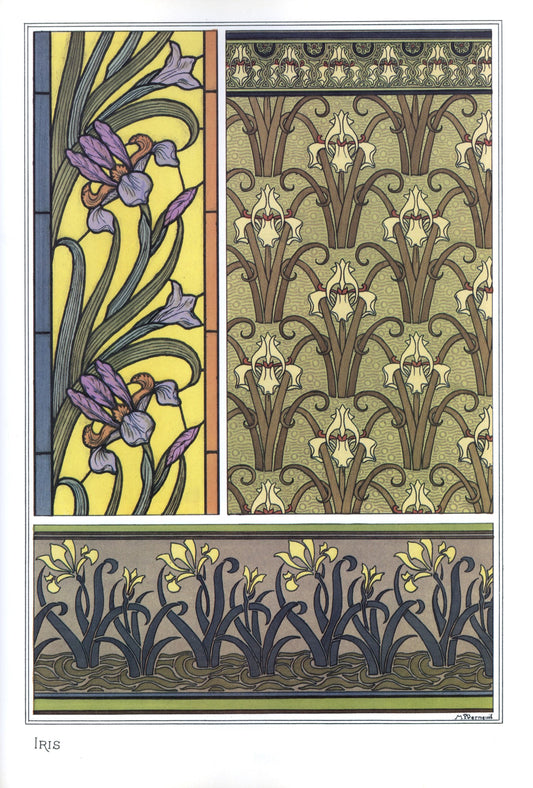
Verneuil, Maurice Pillard (1869-1942) - Iris 1896
Vendor:Digital Download - 1 imageRegular price £1.00Regular priceUnit price per -

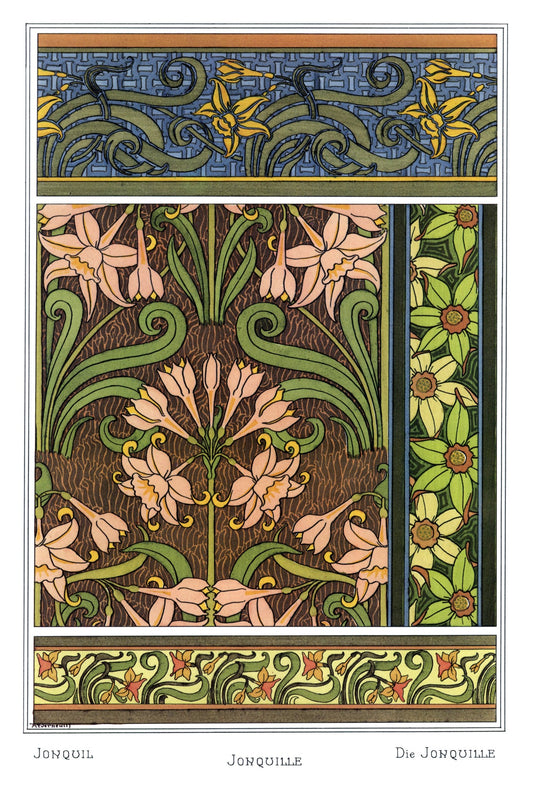
Verneuil, Maurice Pillard (1869-1942) - Jonquil or Jonquille 1896
Vendor:Digital Download - 1 imageRegular price £1.00Regular priceUnit price per -

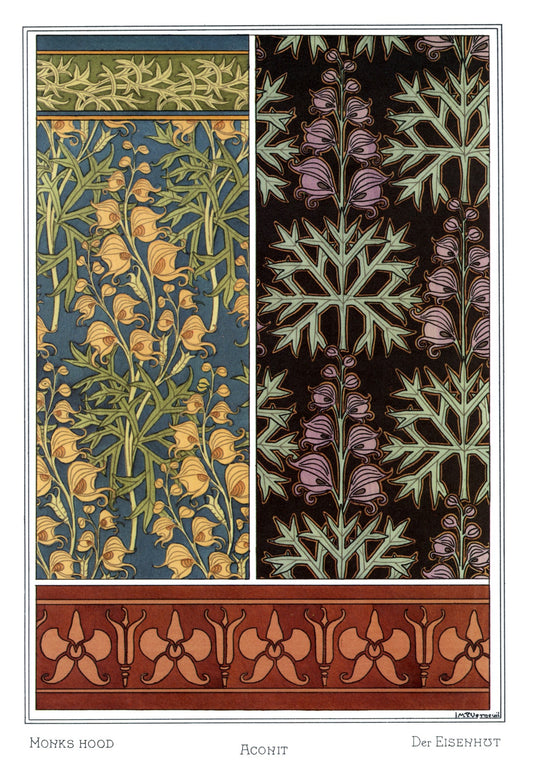
Verneuil, Maurice Pillard (1869-1942) - Monks Hood or Aconit 1896
Vendor:Digital Download - 1 imageRegular price £1.00Regular priceUnit price per -

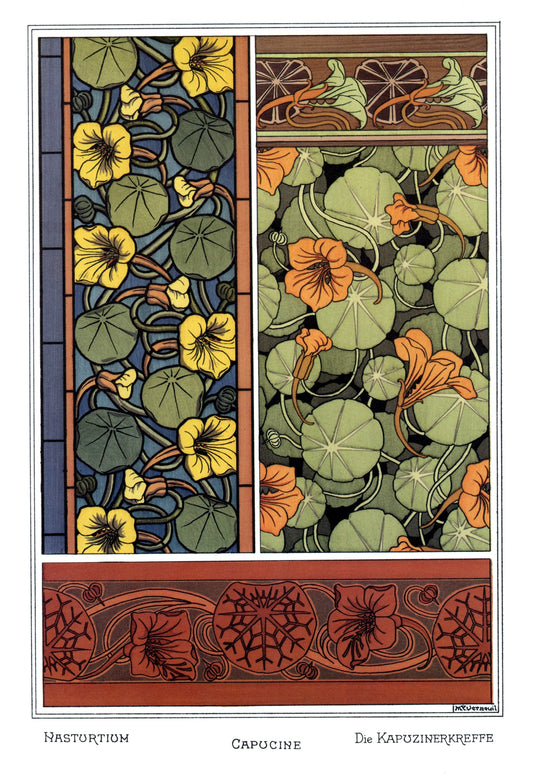
Verneuil, Maurice Pillard (1869-1942) - Nasturtium or Capucine 1896
Vendor:Digital Download - 1 imageRegular price £1.00Regular priceUnit price per -

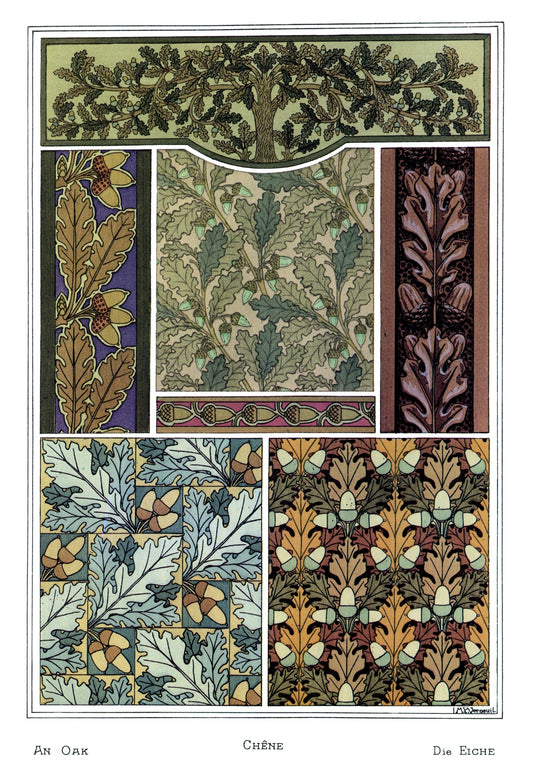
Verneuil, Maurice Pillard (1869-1942) - Oak or Chene 1896
Vendor:Digital Download - 1 imageRegular price £1.00Regular priceUnit price per -

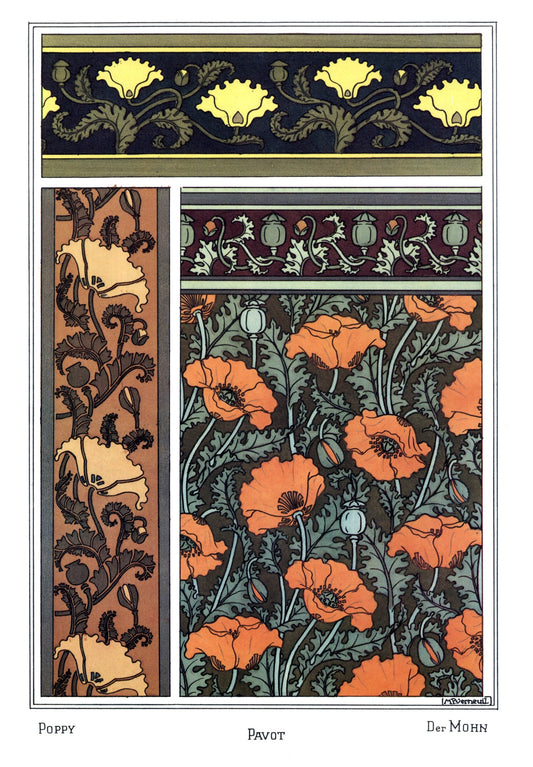
Verneuil, Maurice Pillard (1869-1942) - Poppy or Pavot 1896
Vendor:Digital Download - 1 imageRegular price £1.00Regular priceUnit price per -

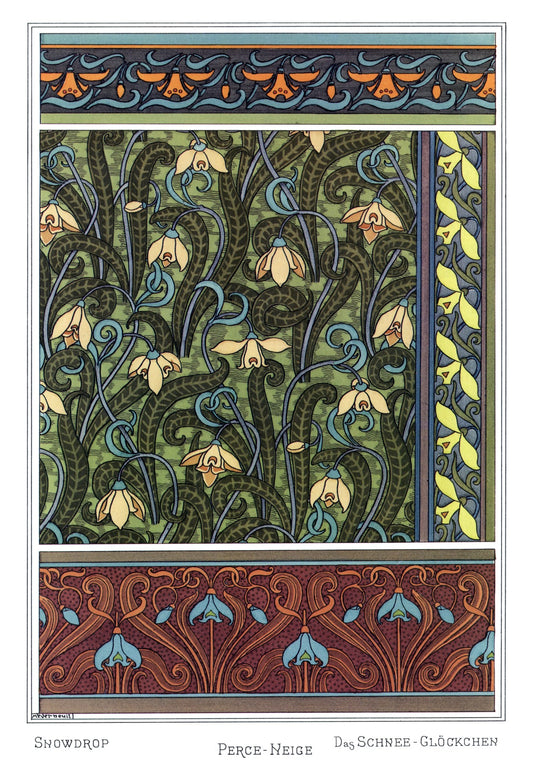
Verneuil, Maurice Pillard (1869-1942) - Snowdrop or Perce-Neige 1896
Vendor:Digital Download - 1 imageRegular price £1.00Regular priceUnit price per -

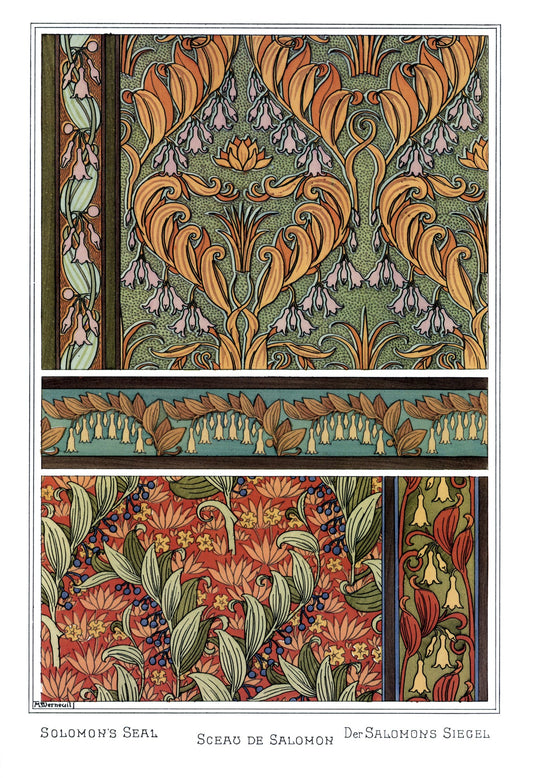
Verneuil, Maurice Pillard (1869-1942) - Solomon's Seal or Sceau de Salomon 1896
Vendor:Digital Download - 1 imageRegular price £1.00Regular priceUnit price per -

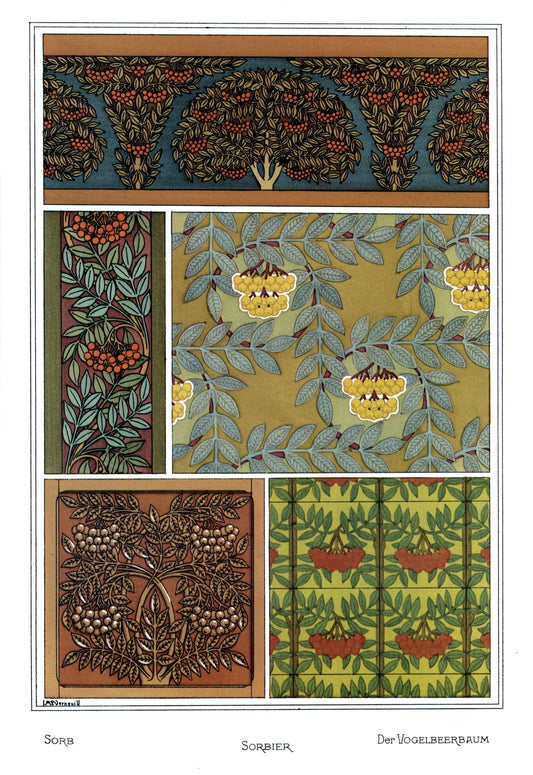
Verneuil, Maurice Pillard (1869-1942) - Sorb or Sorbier 1896
Vendor:Digital Download - 1 imageRegular price £1.00Regular priceUnit price per -

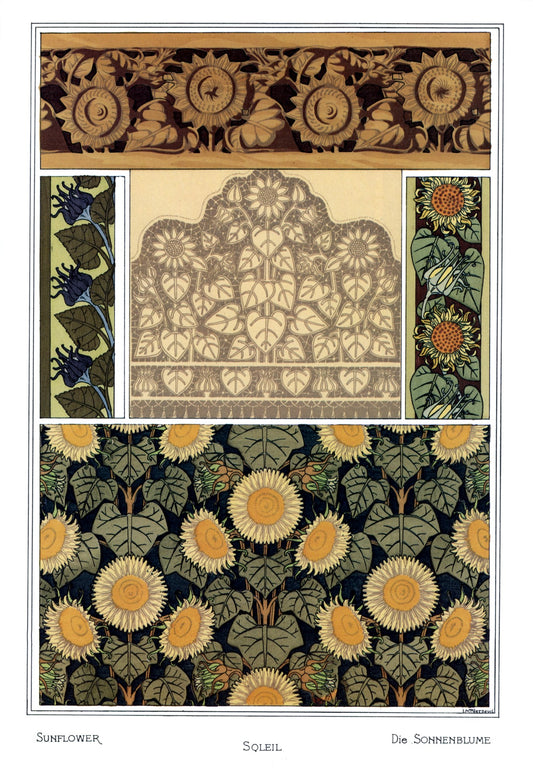
Verneuil, Maurice Pillard (1869-1942) - Sunflower or Soleil 1896
Vendor:Digital Download - 1 imageRegular price £1.00Regular priceUnit price per -


Verneuil, Maurice Pillard (1869-1942) - Umbellated Rush 1896
Vendor:Digital Download - 1 imageRegular price £1.00Regular priceUnit price per -


Verneuil, Maurice Pillard (1869-1942) - Water-lily or Nenuphar 1896
Vendor:Digital Download - 1 imageRegular price £1.00Regular priceUnit price per


Latest Picture Trove Blog Posts
View all-

William Morris’s Strawberry Thief: The Story Behind a Classic Arts and Crafts Pattern
Few William Morris designs are as instantly recognisable as Strawberry Thief. With its richly patterned foliage, small red strawberries and watchful birds hidden among curling leaves, it has become one of the most loved designs of the Arts and Crafts movement.
William Morris’s Strawberry Thief: The Story Behind a Classic Arts and Crafts Pattern
Few William Morris designs are as instantly recognisable as Strawberry Thief. With its richly patterned foliage, small red strawberries and watchful birds hidden among curling leaves, it has become one of the most loved designs of the Arts and Crafts movement.
-

Glasgow and the Mackintosh Style
We recently took ourselves off to Scotland, and on our travels, we popped into the Mackintosh Tea Rooms in Glasgow for a bit of a nose around and a spot of lunch.
Glasgow and the Mackintosh Style
We recently took ourselves off to Scotland, and on our travels, we popped into the Mackintosh Tea Rooms in Glasgow for a bit of a nose around and a spot of lunch.
-

A Trip to Edinburgh & Glasgow, and Scottish Art
We have just returned from a well-deserved few days' break in Scotland, visiting both Edinburgh and Glasgow, taking in Scottish art and tea rooms!
A Trip to Edinburgh & Glasgow, and Scottish Art
We have just returned from a well-deserved few days' break in Scotland, visiting both Edinburgh and Glasgow, taking in Scottish art and tea rooms!


