

Through the 1880s and 1890s, a collective which came to be known as the Glasgow Boys was interpreting and expanding the canon of Impressionist and Post-Impressionist painting. Their subject matter featured rural, prosaic scenes from in and around Glasgow. Their colourful depictions sought to capture the many facets of Scotland's character.
The Glasgow Boys consisted of several men, most of whom were trained in, or had strong ties to, the city of Glasgow. These men were brought together by a passion for realism and naturalism, and this showed through in the pieces they produced. Along with this passion for naturalism, they shared a marked distaste for the Edinburgh-oriented Scottish art establishment, which they viewed as oppressive. Driven and motivated by these ideals, they embraced change, created masterpieces, and became Scottish icons in the process.
There were three distinct waves of the Glasgow Boys.
The leading figures of the first wave were:-
William York Macgregor (1855-1923)
The second wave was:-
Thomas Millie Dow (1848-1919)
Edward Atkinson Hornel (1864-1933)
James Whitelaw Hamilton (1860-1932)
Edward Arthur Walton (1860-1922)
The third wave of artists was:-
William Wells (1872-1923)
David Young Cameron (1865-1945)
Alexander Ignatius Roche (1861-1923)
Thomas Corsan Morton (1859-1928)
George Pirie (1863-1946)
John Quinton Pringle (1864-1925)
Their main influences were that of Japanese print, French Realism, including Jules Bastien-Lepage, and James Abbott McNeill Whistler, but all of their experiences around the world greatly impacted and inspired their work, particularly in Spain, North Africa, and Japan. The group was constantly influenced by what they saw in the world around them and strove to display these images by utilising the techniques of realism and naturalism; they had a passion to depict things as they actually are. This is one of the reasons that the group often chose to work outdoors. Working outdoors allowed them to produce paintings that were as true to nature as possible and it allowed them to paint realistic objects in their natural environment. They painted real people in real places. The production of naturalistic paintings was new to this time period, and thus their techniques were considered to be innovative. Similarly, the pieces often created a sense of movement, an accurate (or naturalistic) depiction of light and shade, and extremely realistic texture. This made them stand out in the art community.
Images to download
-

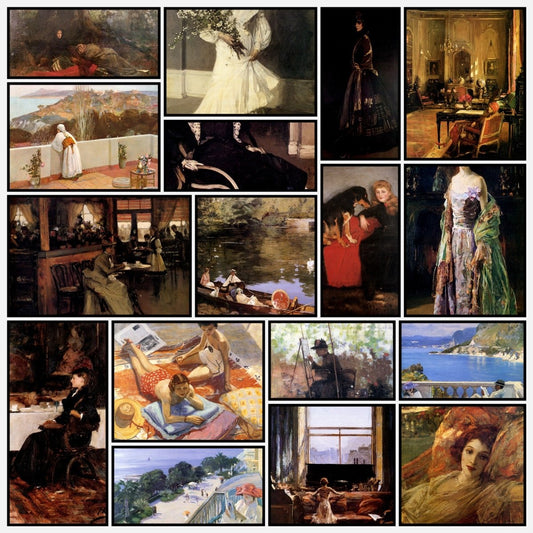
Sir John Lavery 41 High Resolution Images
Vendor:Digital Download - 41 imagesRegular price £3.00Regular priceUnit price per -

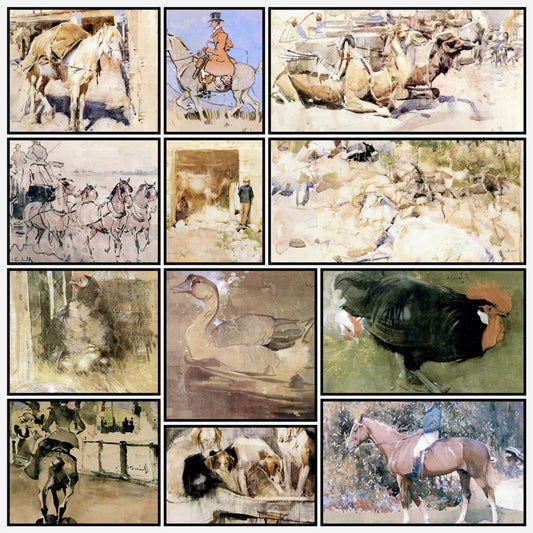
Joseph Crawhall 47 High Resolution Images
Vendor:Digital Download - 47 imagesRegular price £3.00Regular priceUnit price per -

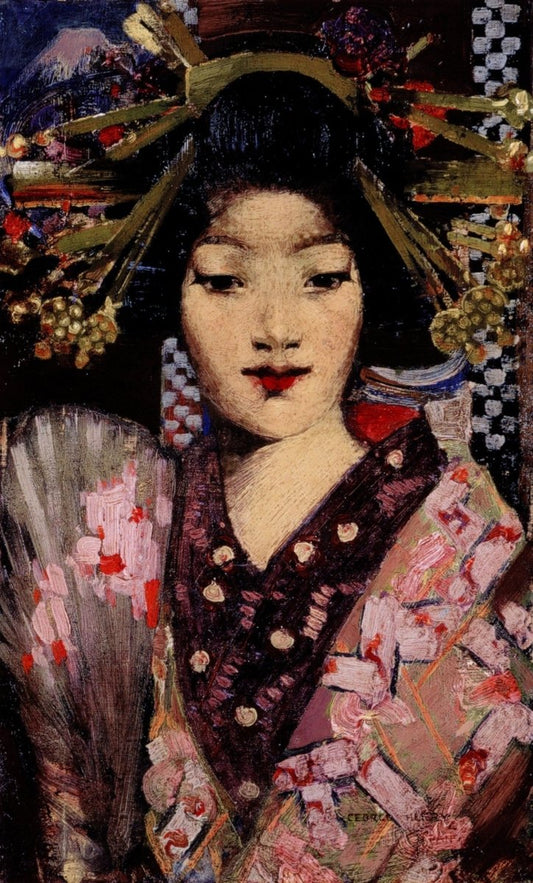
Henry, George (1858-1943) - Geisha Girl 1894
Vendor:Digital Download - 1 imageRegular price £0.80Regular priceUnit price per -

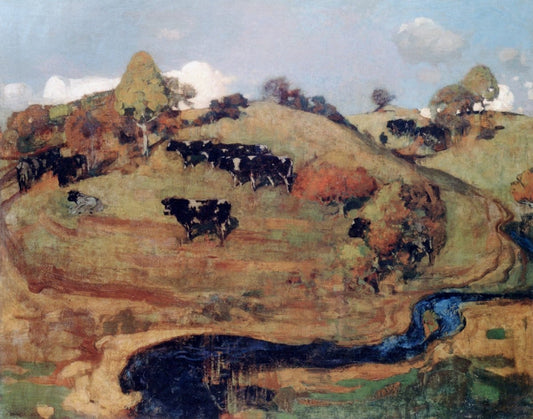
Henry, George (1858-1943) - A Galloway landscape 1889
Vendor:Digital Download - 1 imageRegular price £0.80Regular priceUnit price per -

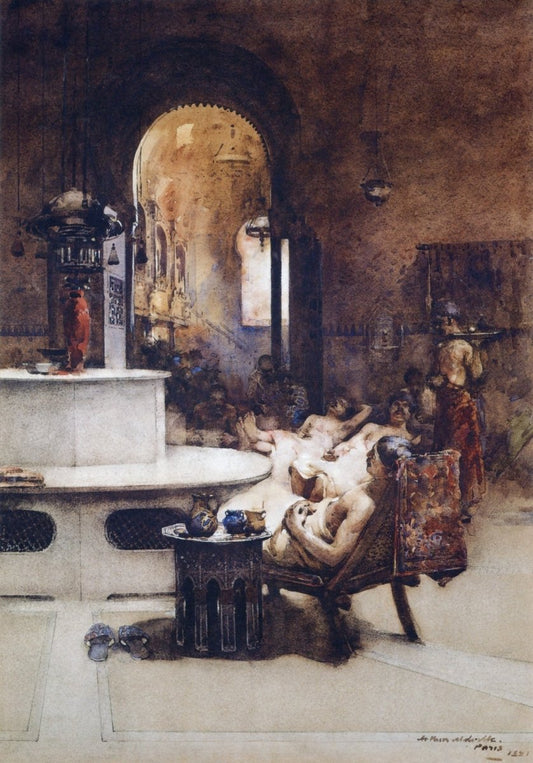
Melville, Arthur (1855-1904) - The Turkish Bath, Paris 1881
Vendor:Digital Download - 1 imageRegular price £0.80Regular priceUnit price per -

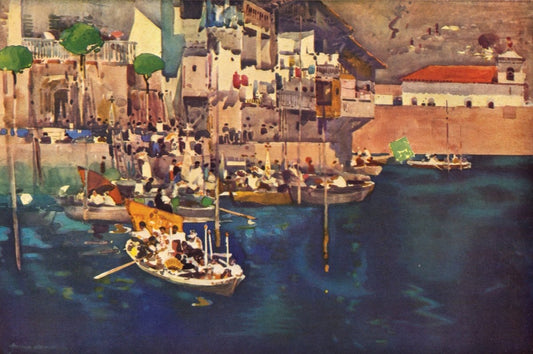
Melville, Arthur (1855-1904) - A Mediterranean Port
Vendor:Digital Download - 1 imageRegular price £0.80Regular priceUnit price per -

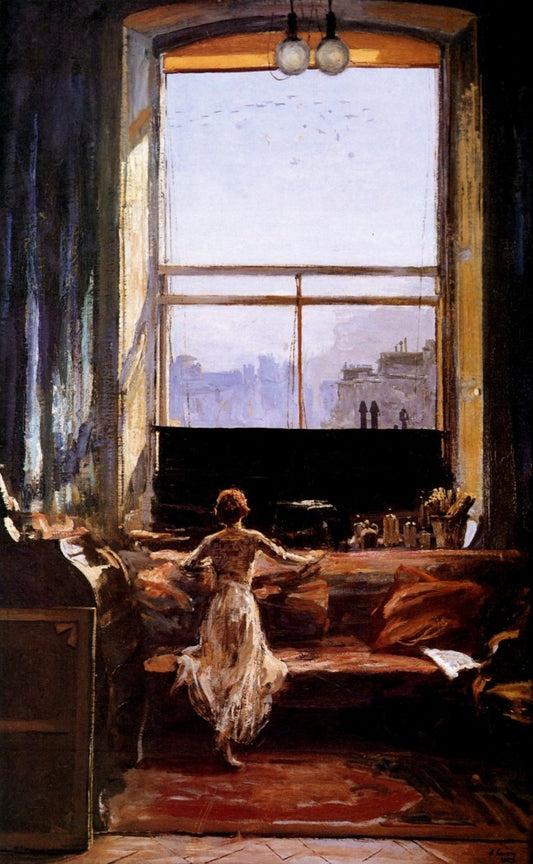
Lavery, John (1856-1941) - The Studio Window 7th July 1917
Vendor:Digital Download - 1 imageRegular price £0.80Regular priceUnit price per -

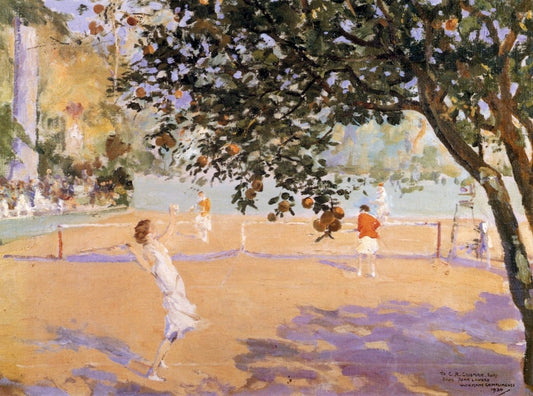
Lavery, John (1856-1941) - Tennis under the Orange Trees 1930
Vendor:Digital Download - 1 imageRegular price £0.80Regular priceUnit price per -

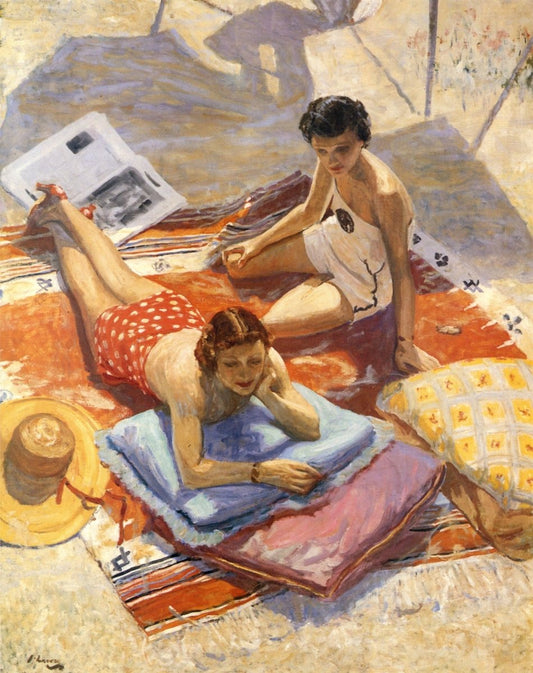
Lavery, John (1856-1941) - Sunbathers 1937
Vendor:Digital Download - 1 imageRegular price £0.80Regular priceUnit price per -

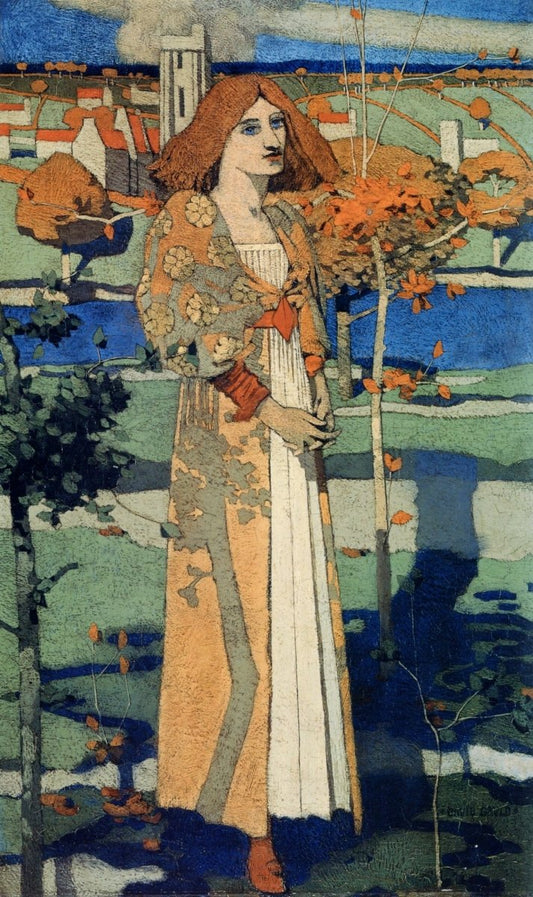
Gauld, David (1865-1935) - St Agnes 1888
Vendor:Digital Download - 1 imageRegular price £0.80Regular priceUnit price per -

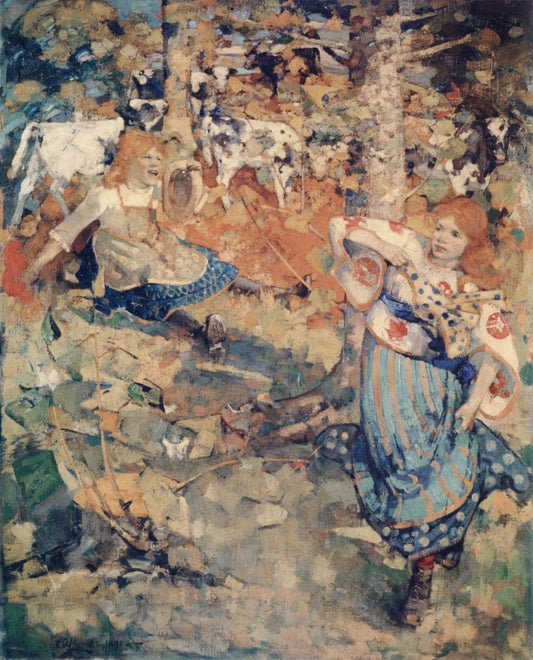
Hornel, Edward Atkinson (1864-1933) - Summer 1891
Vendor:Digital Download - 1 imageRegular price £0.80Regular priceUnit price per -

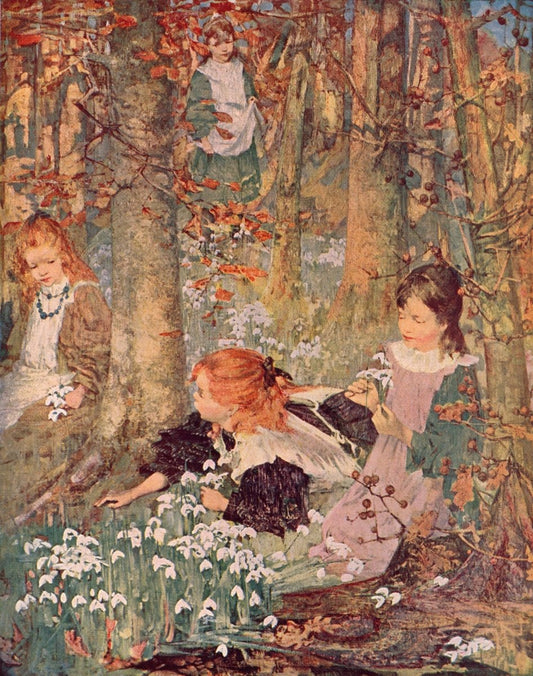
Hornel, Edward Atkinson (1864-1933) - Coming of Spring 1899
Vendor:Digital Download - 1 imageRegular price £0.80Regular priceUnit price per -


Henry, George (1858-1943) - & Hornel, E.A. (1864-1933) - The Star in the East 1891
Vendor:Digital Download - 1 imageRegular price £0.80Regular priceUnit price per -

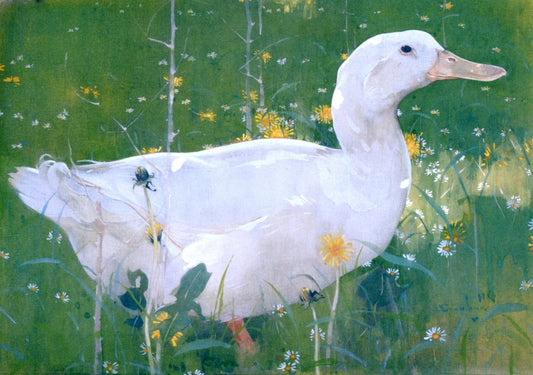
Crawhall, Joseph (1861-1913) - The White Drake c.1895
Vendor:Digital Download - 1 imageRegular price £0.80Regular priceUnit price per -

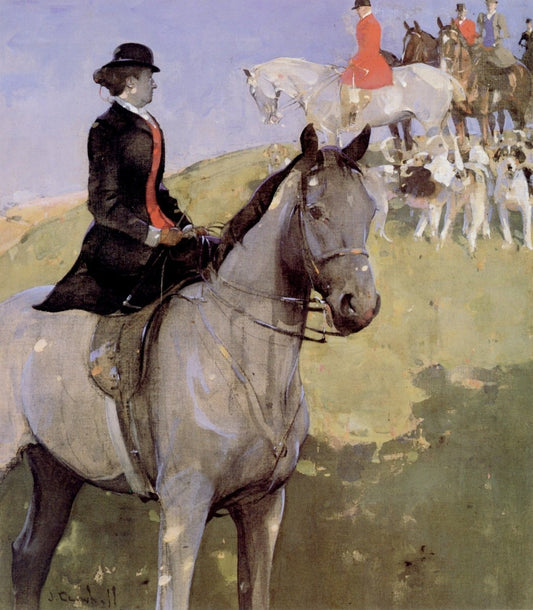
Crawhall, Joseph (1861-1913) - The Meet c.1894-7
Vendor:Digital Download - 1 imageRegular price £0.80Regular priceUnit price per -

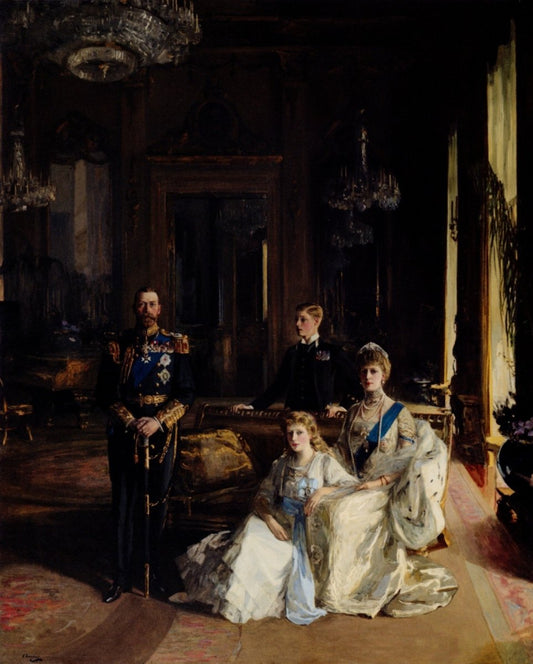
Lavery, John (1856-1941) - George V, Queen Mary & Family 1913
Vendor:Digital Download - 1 imageRegular price £0.80Regular priceUnit price per -

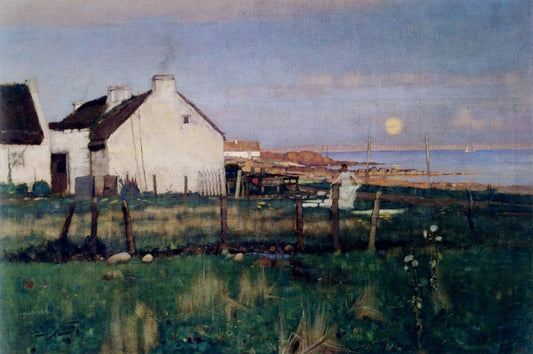
Nairn, James (1859-1904) - Auchenhew, Arran 1886
Vendor:Digital Download - 1 imageRegular price £0.80Regular priceUnit price per -

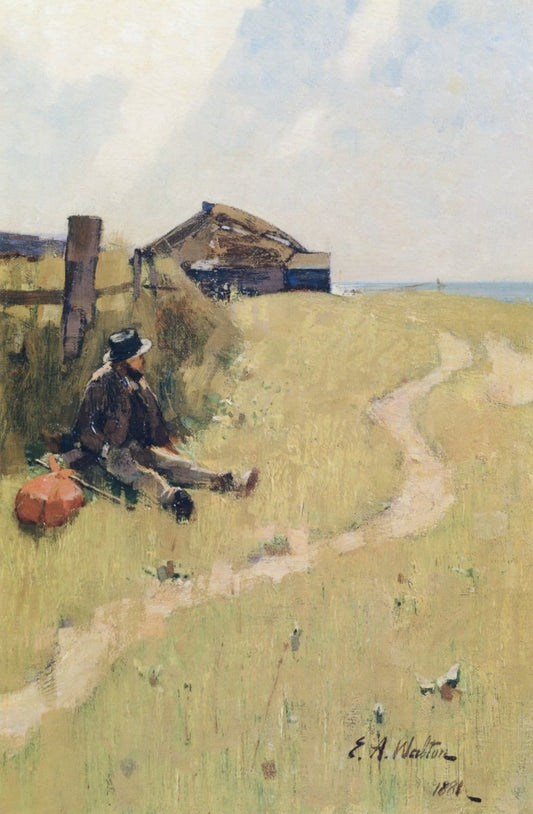
Walton, Edward Arthur (1860-1922) - The Wayfarer 1881
Vendor:Digital Download - 1 imageRegular price £0.80Regular priceUnit price per -

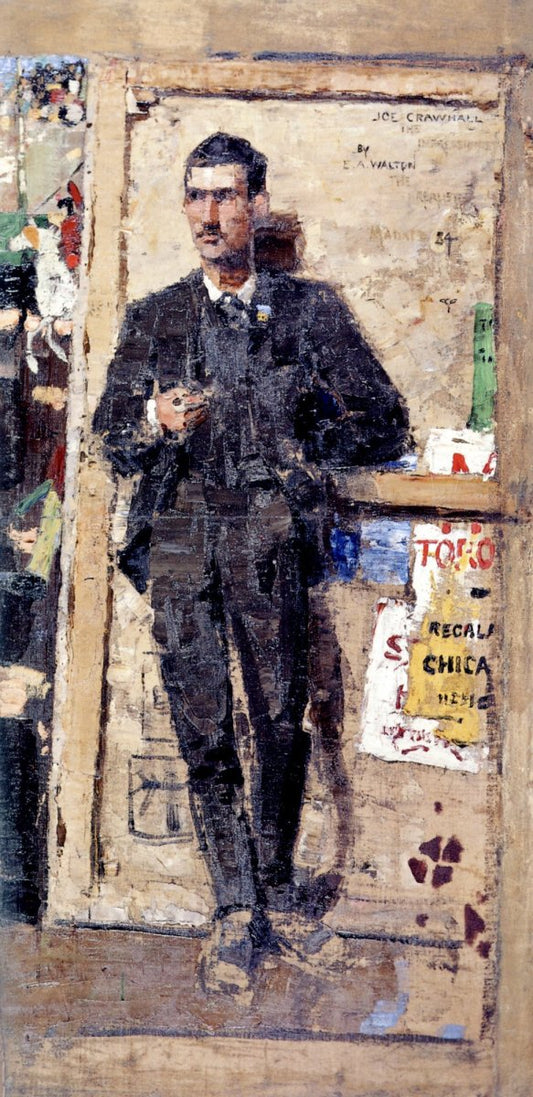
Walton, Edward Arthur (1860-1922) - Portrait of Joseph Crawhall 1884
Vendor:Digital Download - 1 imageRegular price £0.80Regular priceUnit price per -

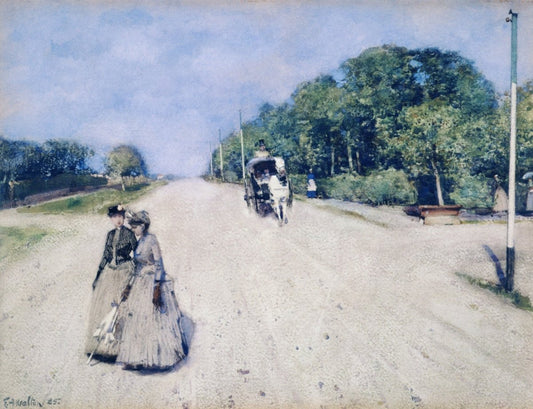
Walton, Edward Arthur (1860-1922) - En Plein Air 1885
Vendor:Digital Download - 1 imageRegular price £0.80Regular priceUnit price per -

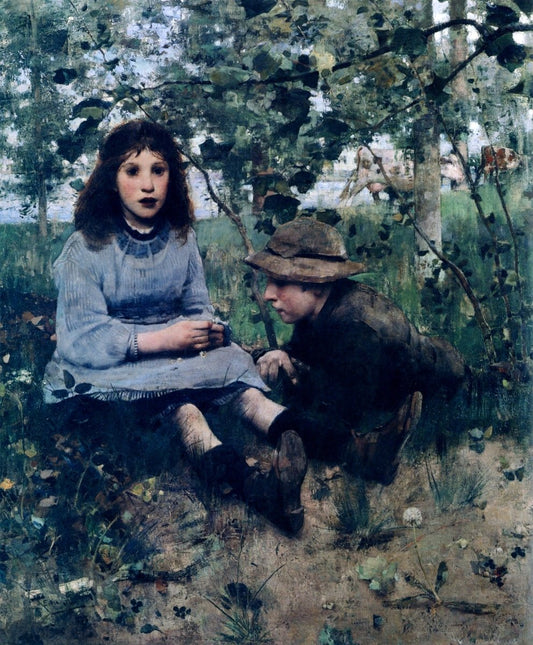
Walton, Edward Arthur (1860-1922) - A Daydream 1885
Vendor:Digital Download - 1 imageRegular price £0.80Regular priceUnit price per -

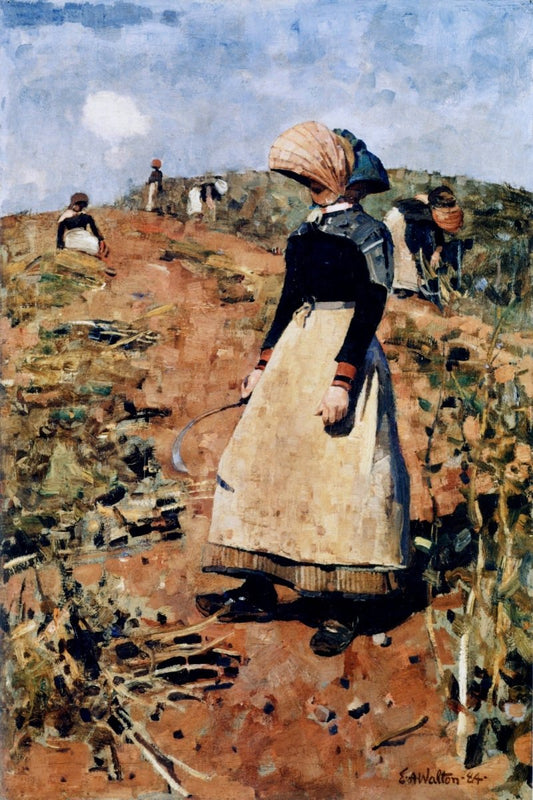
Walton, Edward Arthur (1860-1922) - A Berwickshire Fieldworker 1884
Vendor:Digital Download - 1 imageRegular price £0.80Regular priceUnit price per -

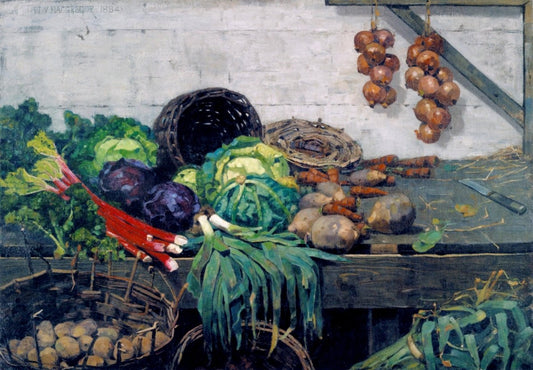
Macgregor, William York (1855-1923) - The Vegetable Stall 1884
Vendor:Digital Download - 1 imageRegular price £0.80Regular priceUnit price per -

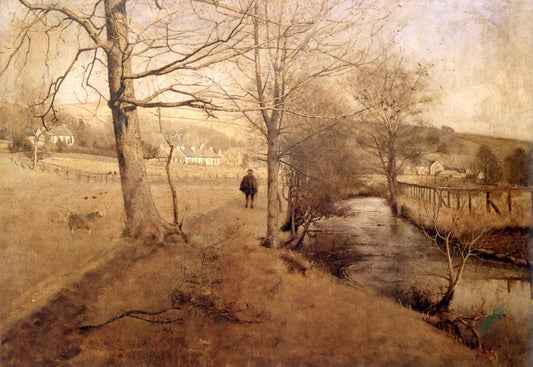
Paterson, James (1854-1932) - Moniaive 1884
Vendor:Digital Download - 1 imageRegular price £0.80Regular priceUnit price per -

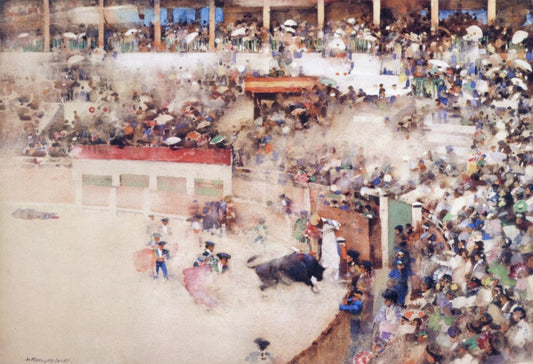
Melville, Arthur (1855-1904) - The Little Bullfight 'Bravo Toro' c.1888-9
Vendor:Digital Download - 1 imageRegular price £0.80Regular priceUnit price per -

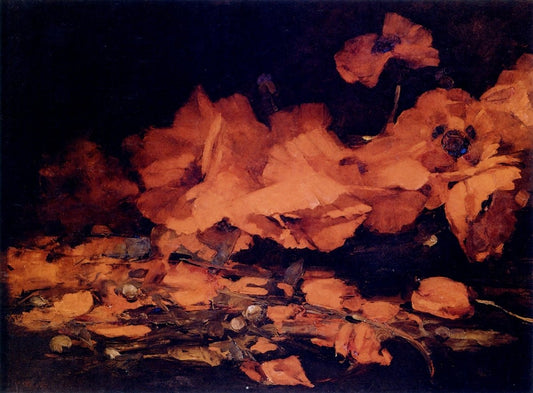
Melville, Arthur (1855-1904) - Red Poppies 1885
Vendor:Digital Download - 1 imageRegular price £0.80Regular priceUnit price per -

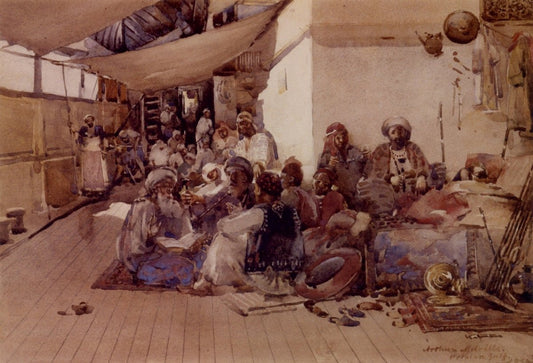
Melville, Arthur (1855-1904) - Pilgrims on the Way to Mecca 1882
Vendor:Digital Download - 1 imageRegular price £0.80Regular priceUnit price per -

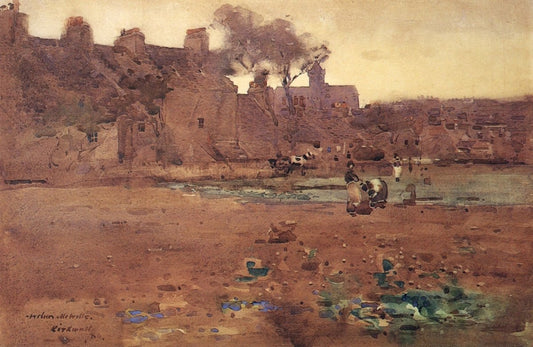
Melville, Arthur (1855-1904) - Kirkwall 1880
Vendor:Digital Download - 1 imageRegular price £0.80Regular priceUnit price per -

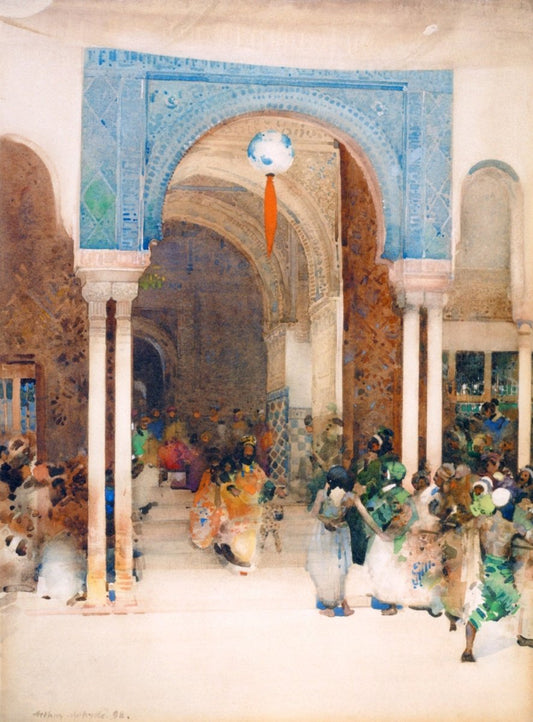
Melville, Arthur (1855-1904) - King Cophetua and the Beggar Maid 1898
Vendor:Digital Download - 1 imageRegular price £0.80Regular priceUnit price per -

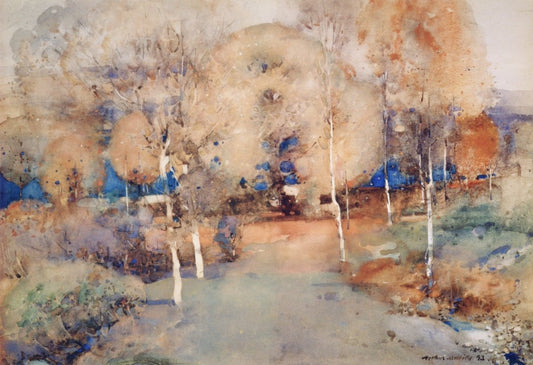
Melville, Arthur (1855-1904) - Autumn, Loch Lomond 1893
Vendor:Digital Download - 1 imageRegular price £0.80Regular priceUnit price per -

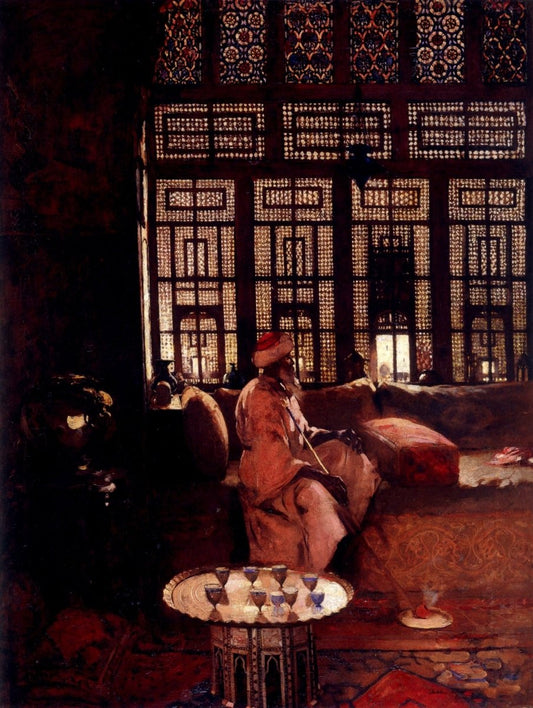
Melville, Arthur (1855-1904) - An Arab Interior 1881
Vendor:Digital Download - 1 imageRegular price £0.80Regular priceUnit price per -

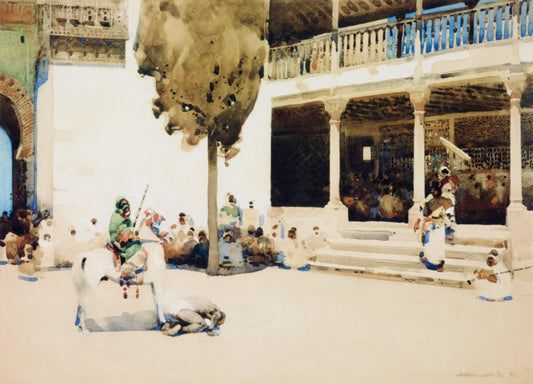
Melville, Arthur (1855-1904) - A Captured Spy 1895
Vendor:Digital Download - 1 imageRegular price £0.80Regular priceUnit price per -

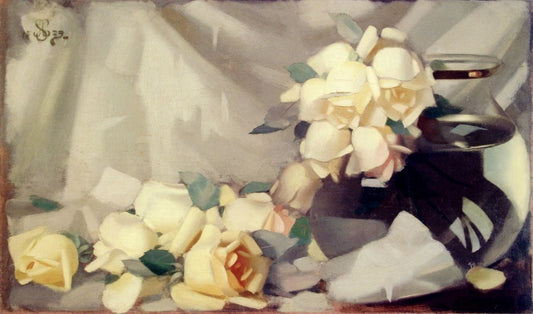
Park, Stuart (1862-1933) - Yellow Roses 1889
Vendor:Digital Download - 1 imageRegular price £0.80Regular priceUnit price per -

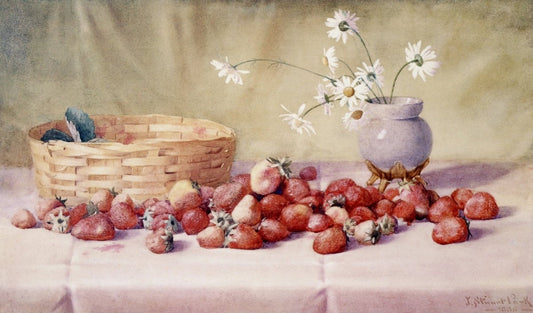
Park, Stuart (1862-1933) - Strawberries 1886
Vendor:Digital Download - 1 imageRegular price £0.80Regular priceUnit price per -

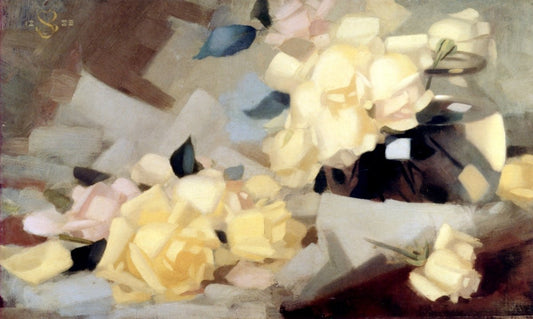
Park, Stuart (1862-1933) - Roses 1889
Vendor:Digital Download - 1 imageRegular price £0.80Regular priceUnit price per -

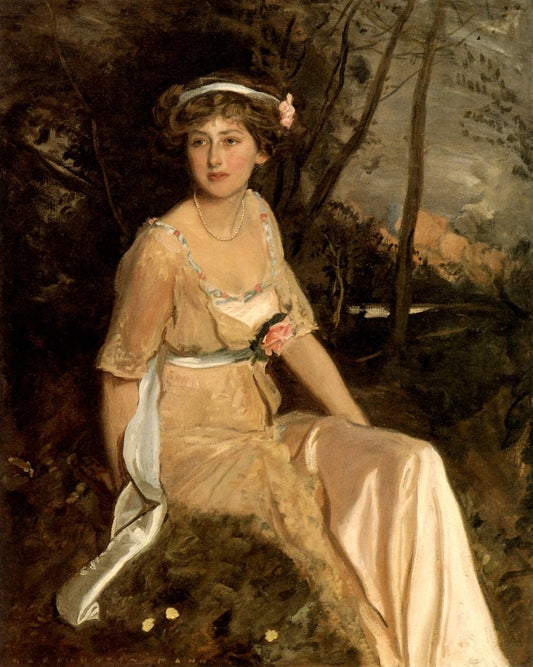
Mann, Harrington (1864-1937) - The Blue Sash
Vendor:Digital Download - 1 imageRegular price £0.80Regular priceUnit price per -


Mann, Harrington (1864-1937) - Birdcages
Vendor:Digital Download - 1 imageRegular price £0.80Regular priceUnit price per -

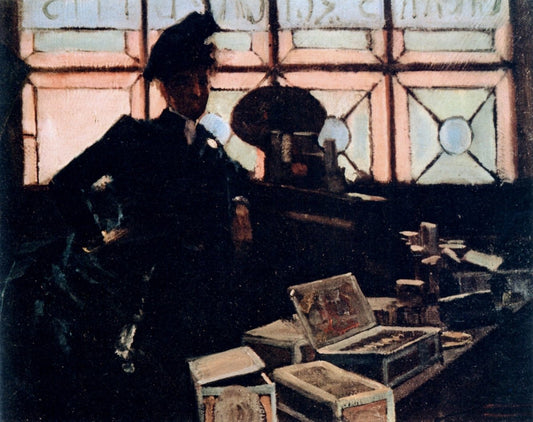
Lavery, John (1856-1941) - The Cigar Seller at the Glasgow International Exhibition 1888
Vendor:Digital Download - 1 imageRegular price £0.80Regular priceUnit price per -

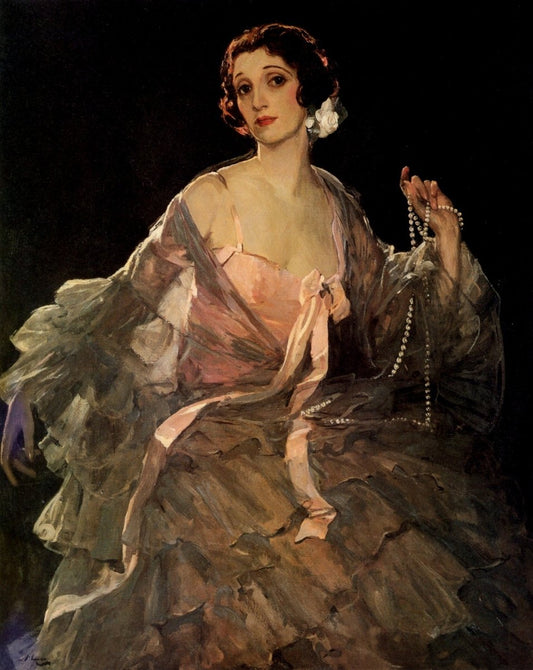
Lavery, John (1856-1941) - Hazel in Rose and Grey c.1920
Vendor:Digital Download - 1 imageRegular price £0.80Regular priceUnit price per -

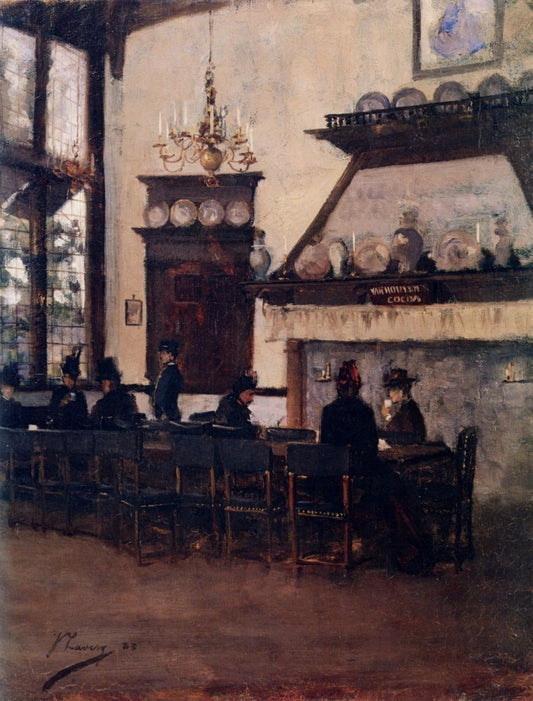
Lavery, John (1856-1941) - Dutch Coffee House, Glasgow Int Exhibition 1888
Vendor:Digital Download - 1 imageRegular price £0.80Regular priceUnit price per -

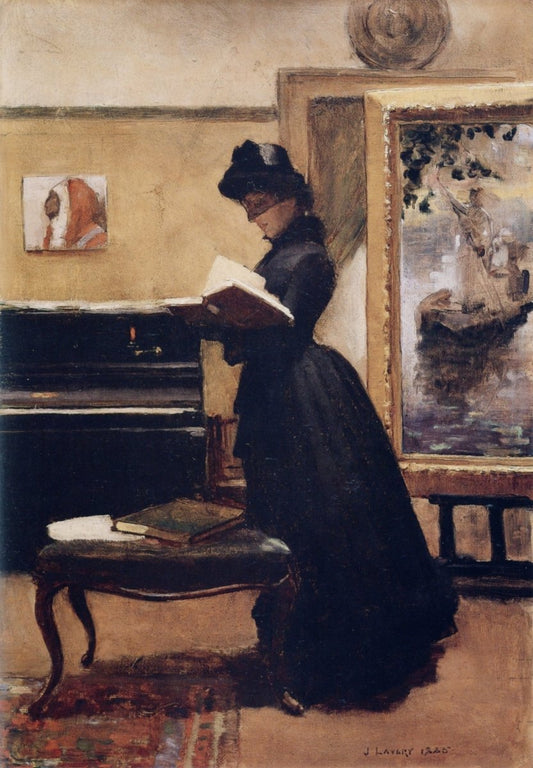
Lavery, John (1856-1941) - A Visit to the Studio 1885
Vendor:Digital Download - 1 imageRegular price £0.80Regular priceUnit price per -

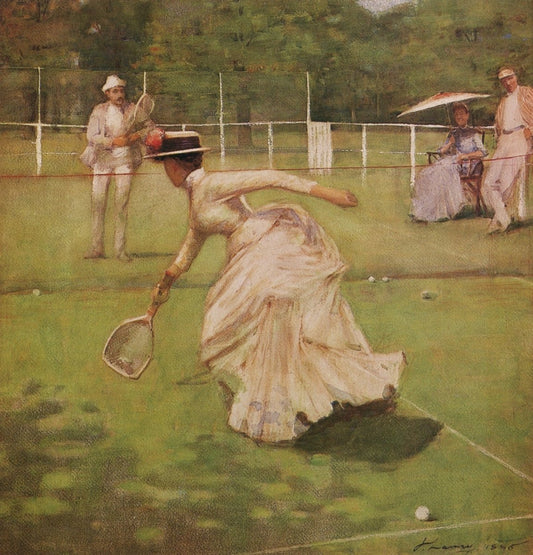
Lavery, John (1856-1941) - A Rally, Tennis Match 1885
Vendor:Digital Download - 1 imageRegular price £0.80Regular priceUnit price per -

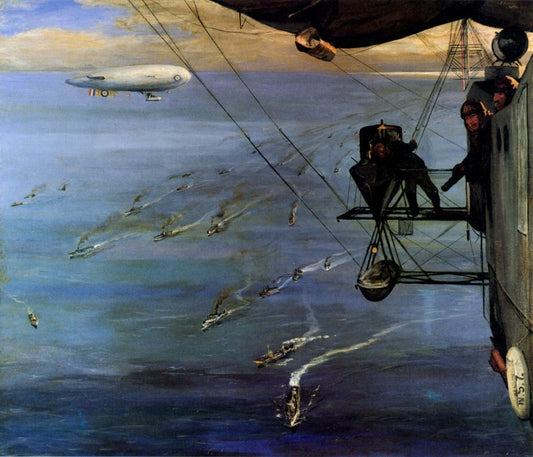
Lavery, John (1856-1941) - A Convoy, North Sea 1918
Vendor:Digital Download - 1 imageRegular price £0.80Regular priceUnit price per -

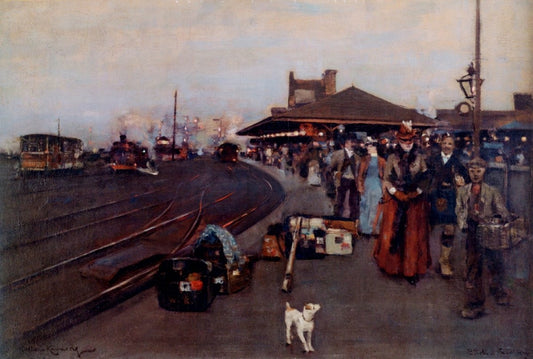
Kennedy, William (1859-1918) - The Deserter 1888
Vendor:Digital Download - 1 imageRegular price £0.80Regular priceUnit price per -

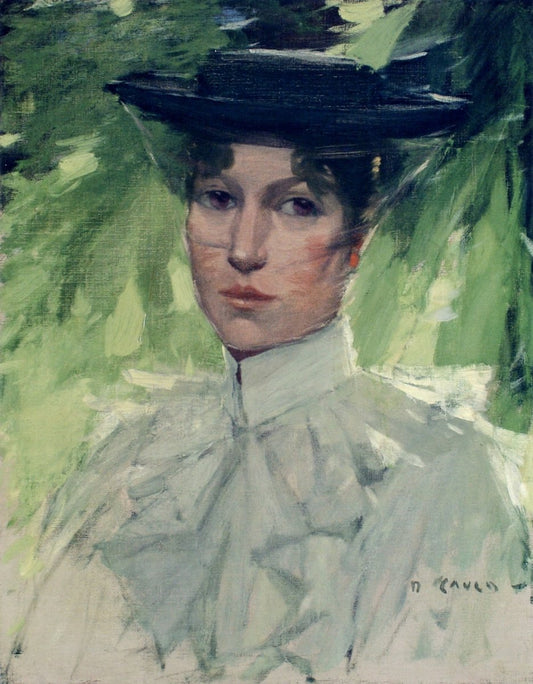
Gauld, David (1865-1935) - Portrait c.1893-4
Vendor:Digital Download - 1 imageRegular price £0.80Regular priceUnit price per -

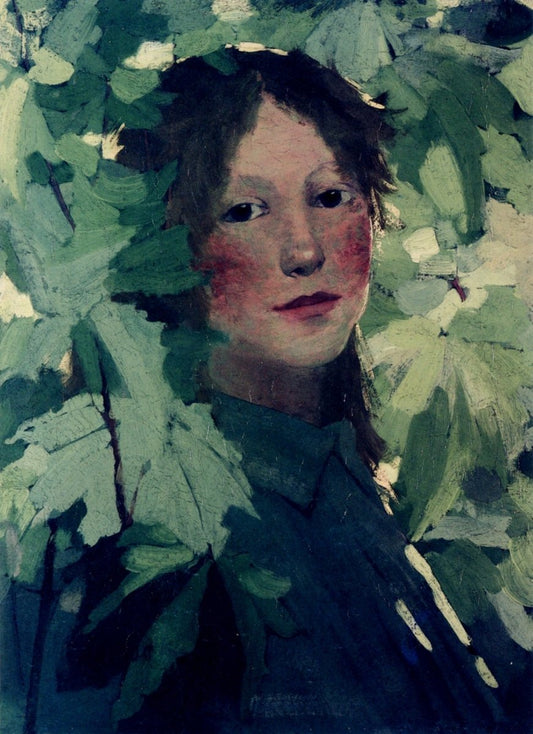
Gauld, David (1865-1935) - Head of a Girl c.1893-4
Vendor:Digital Download - 1 imageRegular price £0.80Regular priceUnit price per -


Hornel, Edward Atkinson (1864-1933) - The Goatherd 1889
Vendor:Digital Download - 1 imageRegular price £0.80Regular priceUnit price per -

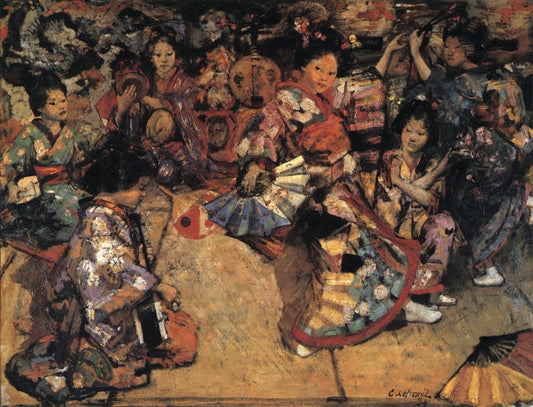
Hornel, Edward Atkinson (1864-1933) - Japanese Dancing Girls c.1894
Vendor:Digital Download - 1 imageRegular price £0.80Regular priceUnit price per


Latest Picture Trove Blog Posts
View all-

William Morris’s Strawberry Thief: The Story Behind a Classic Arts and Crafts Pattern
Few William Morris designs are as instantly recognisable as Strawberry Thief. With its richly patterned foliage, small red strawberries and watchful birds hidden among curling leaves, it has become one of the most loved designs of the Arts and Crafts movement.
William Morris’s Strawberry Thief: The Story Behind a Classic Arts and Crafts Pattern
Few William Morris designs are as instantly recognisable as Strawberry Thief. With its richly patterned foliage, small red strawberries and watchful birds hidden among curling leaves, it has become one of the most loved designs of the Arts and Crafts movement.
-

Glasgow and the Mackintosh Style
We recently took ourselves off to Scotland, and on our travels, we popped into the Mackintosh Tea Rooms in Glasgow for a bit of a nose around and a spot of lunch.
Glasgow and the Mackintosh Style
We recently took ourselves off to Scotland, and on our travels, we popped into the Mackintosh Tea Rooms in Glasgow for a bit of a nose around and a spot of lunch.
-

A Trip to Edinburgh & Glasgow, and Scottish Art
We have just returned from a well-deserved few days' break in Scotland, visiting both Edinburgh and Glasgow, taking in Scottish art and tea rooms!
A Trip to Edinburgh & Glasgow, and Scottish Art
We have just returned from a well-deserved few days' break in Scotland, visiting both Edinburgh and Glasgow, taking in Scottish art and tea rooms!


