

Edward Wadsworth (1889-1949) stands as a significant figure in the evolution of British modern art, renowned for his contribution both as a painter and printmaker. Born in Cleckheaton, Yorkshire, Wadsworth’s artistic journey was shaped by the dynamic currents of early 20th-century European art, as well as the unique social and industrial landscapes of Britain itself.
Wadsworth’s formal education began at the University of Munich, where he initially studied engineering, before transferring to the Slade School of Fine Art in London in 1909. The Slade was a crucible of modernist experimentation at the time, and Wadsworth found himself among contemporaries such as Stanley Spencer, Mark Gertler, and Dora Carrington. His early works already displayed a keen interest in structure and form, influenced by the Precisionist movement and elements of Cubism.
Integral to Wadsworth’s artistic identity was his involvement with Vorticism, a radical British avant-garde movement founded by Wyndham Lewis in 1914. Vorticism sought to combine the dynamism of Futurism with the structural logic of Cubism, forging a language of abstraction suited to the machine age. Wadsworth’s paintings and woodcuts from this period, such as “Dazzle-Ships in Drydock at Liverpool” (1919), exemplify the energy and geometric clarity that defined Vorticist aesthetics.
The outbreak of the First World War profoundly influenced Wadsworth’s work. Serving as a naval officer, he was closely involved in the development of “dazzle camouflage” – the bold, angular patterns painted on ships to confuse enemy submarines. This experience not only deepened his fascination with industrial forms and maritime subjects, but also provided him with a unique perspective on the intersection of art and technology. His post-war paintings often feature the coastal landscapes of England, rendered with a precision and monumentality that evoke both nostalgia and modernity.
The interwar years saw Wadsworth moving away from strict Vorticist abstraction towards a more representational style, though his fascination with structure and pattern remained evident. He became associated with the Seven and Five Society, a group of artists dedicated to exploring new directions in British art. Wadsworth’s still lifes and maritime scenes from this period are characterised by their cool clarity, crisp lines, and a sense of contemplative order. Works such as “Coastal Defences” and “Harbour Entrance” reveal his enduring preoccupation with the English coastline and the rhythms of the sea.
Wadsworth’s influence extended beyond his own canvases. As a printmaker, he produced a series of wood engravings that were widely admired for their technical finesse and innovative composition. He also contributed essays and reviews to leading art publications, helping to shape critical debates about the role of modern art in Britain.
Despite his importance, Wadsworth’s work was often overshadowed by more flamboyant contemporaries. In recent decades, however, there has been a resurgence of interest in his art, with major exhibitions and scholarly reassessment highlighting his pivotal role in British modernism. Edward Wadsworth remains a figure of enduring fascination: a painter who bridged the worlds of industry and imagination, and whose legacy continues to inspire new generations of artists.
Images to download
-

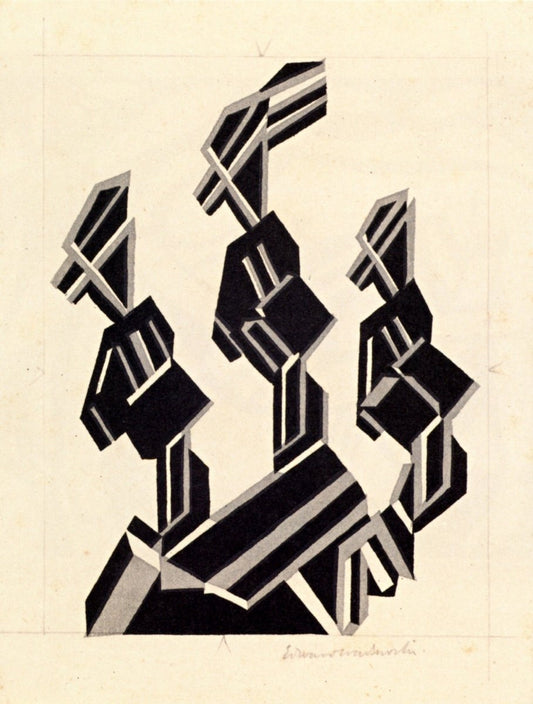
Wadsworth, Edward (1889-1949) - Street Singers c.1914
Vendor:Digital Download - 1 imageRegular price £0.80Regular priceUnit price per -


Wadsworth, Edward (1889-1949) - Illustration (Typhoon) 1914
Vendor:Digital Download - 1 imageRegular price £0.80Regular priceUnit price per -

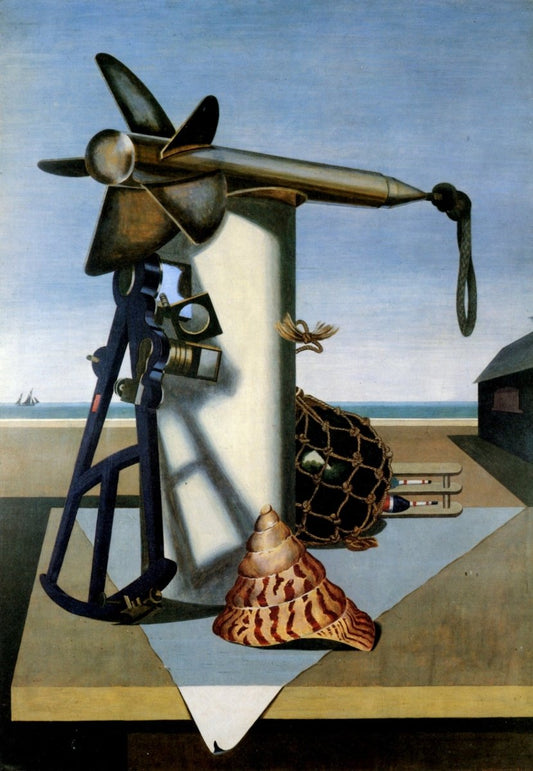
Wadsworth, Edward (1889-1949) - North Sea 1928
Vendor:Digital Download - 1 imageRegular price £0.80Regular priceUnit price per -


Wadsworth, Edward (1889-1949) - Abstract Composition 1915
Vendor:Digital Download - 1 imageRegular price £0.80Regular priceUnit price per -


Wadsworth, Edward (1889-1949) - Triangles 1948
Vendor:Digital Download - 1 imageRegular price £0.80Regular priceUnit price per -


Wadsworth, Edward (1889-1949) - Enclosure 1915
Vendor:Digital Download - 1 imageRegular price £0.80Regular priceUnit price per -

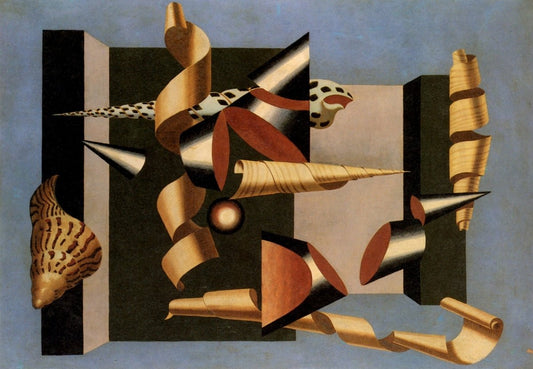
Wadsworth, Edward (1889-1949) - Composition 1930
Vendor:Digital Download - 1 imageRegular price £0.80Regular priceUnit price per -


Wadsworth, Edward (1889-1949) - Drydocked for Scaling & Painting 1918
Vendor:Digital Download - 1 imageRegular price £0.80Regular priceUnit price per -

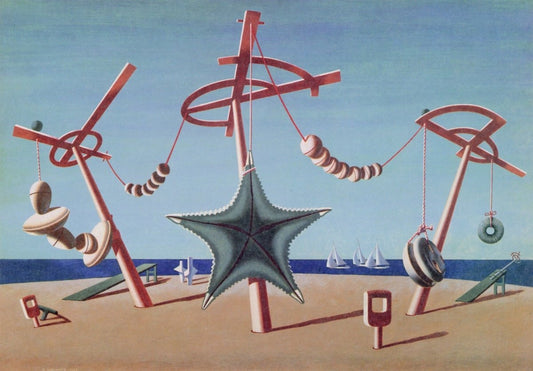
Wadsworth, Edward (1889-1949) - The Beached Margin 1937
Vendor:Digital Download - 1 imageRegular price £0.80Regular priceUnit price per


Latest Picture Trove Blog Posts
View all-

William Morris’s Strawberry Thief: The Story Behind a Classic Arts and Crafts Pattern
Few William Morris designs are as instantly recognisable as Strawberry Thief. With its richly patterned foliage, small red strawberries and watchful birds hidden among curling leaves, it has become one of the most loved designs of the Arts and Crafts movement.
William Morris’s Strawberry Thief: The Story Behind a Classic Arts and Crafts Pattern
Few William Morris designs are as instantly recognisable as Strawberry Thief. With its richly patterned foliage, small red strawberries and watchful birds hidden among curling leaves, it has become one of the most loved designs of the Arts and Crafts movement.
-

Glasgow and the Mackintosh Style
We recently took ourselves off to Scotland, and on our travels, we popped into the Mackintosh Tea Rooms in Glasgow for a bit of a nose around and a spot of lunch.
Glasgow and the Mackintosh Style
We recently took ourselves off to Scotland, and on our travels, we popped into the Mackintosh Tea Rooms in Glasgow for a bit of a nose around and a spot of lunch.
-

A Trip to Edinburgh & Glasgow, and Scottish Art
We have just returned from a well-deserved few days' break in Scotland, visiting both Edinburgh and Glasgow, taking in Scottish art and tea rooms!
A Trip to Edinburgh & Glasgow, and Scottish Art
We have just returned from a well-deserved few days' break in Scotland, visiting both Edinburgh and Glasgow, taking in Scottish art and tea rooms!


