

Miquel Utrillo i Morlius (1862-1934) was a pivotal figure in the cultural and artistic life of Catalonia at the turn of the twentieth century. Born in Barcelona, Utrillo’s talents spanned engineering, painting, art criticism, and the promotion of avant-garde movements, making him a key proponent of Catalan Modernisme. His cosmopolitan outlook and intellectual curiosity positioned him at the crossroads of European creativity during a transformative era.
Utrillo’s early professional life began in engineering, but artistic and cultural interests soon took precedence. He relocated to Paris, then the epicentre of artistic innovation, where he became acquainted with the city’s vibrant bohemian circles. There, Utrillo interacted with celebrated artists such as Henri de Toulouse-Lautrec and Edgar Degas. He absorbed the atmosphere of experimentation and modernity that characterised fin-de-siècle Paris, and this experience would deeply influence his later work in Catalonia.
During his years in France, Utrillo had an important personal relationship with the artist Suzanne Valadon. Although they were never married, Utrillo acknowledged paternity of her son, Maurice Utrillo, who would later gain renown as a painter in his own right. Maurice took his surname from Miquel, and their unusual familial bond played a role in shaping Maurice’s early life and career, with Miquel providing both legal recognition and some degree of guidance.
Returning to Catalonia, Miquel Utrillo became an essential figure in the Modernisme movement, contributing as a critic to influential journals and advocating for the renewal of Catalan art and culture. He was instrumental in organising the Festa Modernista de Sitges in 1892, which brought together leading artists, writers, and musicians, establishing Sitges as a significant centre of artistic innovation. Utrillo’s collaborations with Ramon Casas and Santiago Rusiñol were particularly notable, and his efforts helped to foster a spirit of experimentation and internationalism among Catalan artists.
His own artistic work encompassed painting, stage design, and architecture, often reflecting the influence of French Impressionism and Symbolism. Utrillo’s designs for theatres and exhibitions demonstrated his flair for combining technical skill with creative vision. His legacy is also perpetuated through his writings, which reveal a passionate engagement with the artistic issues of his time.
Miquel Utrillo died in 1934, but his impact endures through his contributions to Catalan culture and the international art world. His life also remains intertwined with the artistic achievements of his son, Maurice Utrillo, whose works are celebrated for their evocative depictions of Parisian streets and cityscapes.
Images to download
-

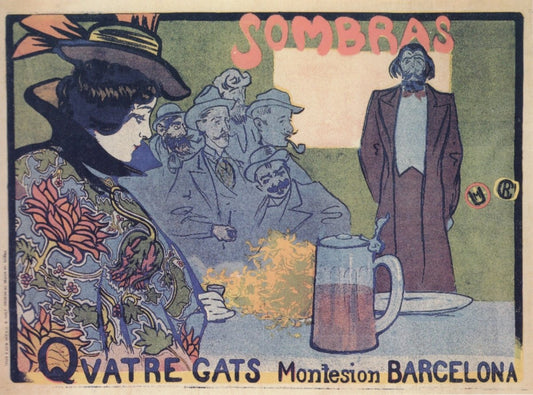
Utrillo, Miquel (1862-1934) & Ramon Casas (1866-1932) - Sombras Quatre Gats 1897
Vendor:Digital Download - 1 imageRegular price £0.80Regular priceUnit price per -

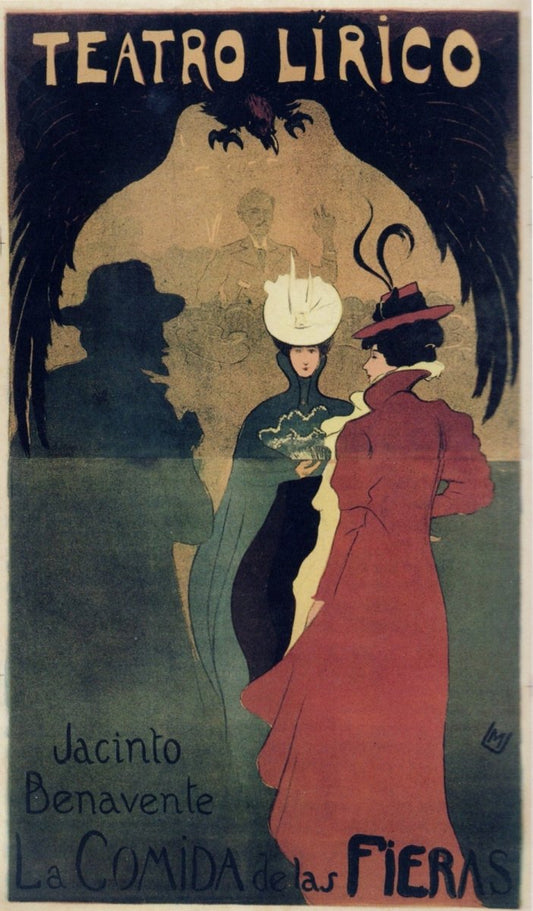
Utrillo, Miquel (1862-1934) - Teatro Lirico 1897
Vendor:Digital Download - 1 imageRegular price £0.80Regular priceUnit price per -

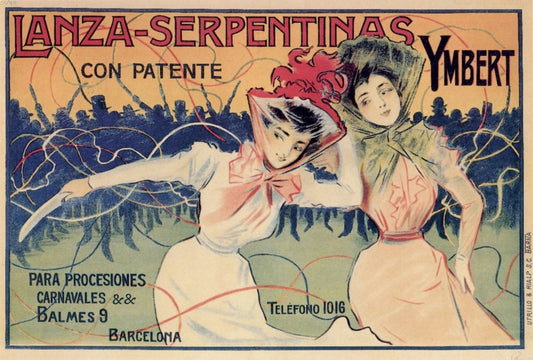
Utrillo, Miquel (1862-1934) - Lanza-Serpentinas 1906
Vendor:Digital Download - 1 imageRegular price £0.80Regular priceUnit price per


Latest Picture Trove Blog Posts
View all-

William Morris’s Strawberry Thief: The Story Behind a Classic Arts and Crafts Pattern
Few William Morris designs are as instantly recognisable as Strawberry Thief. With its richly patterned foliage, small red strawberries and watchful birds hidden among curling leaves, it has become one of the most loved designs of the Arts and Crafts movement.
William Morris’s Strawberry Thief: The Story Behind a Classic Arts and Crafts Pattern
Few William Morris designs are as instantly recognisable as Strawberry Thief. With its richly patterned foliage, small red strawberries and watchful birds hidden among curling leaves, it has become one of the most loved designs of the Arts and Crafts movement.
-

Glasgow and the Mackintosh Style
We recently took ourselves off to Scotland, and on our travels, we popped into the Mackintosh Tea Rooms in Glasgow for a bit of a nose around and a spot of lunch.
Glasgow and the Mackintosh Style
We recently took ourselves off to Scotland, and on our travels, we popped into the Mackintosh Tea Rooms in Glasgow for a bit of a nose around and a spot of lunch.
-

A Trip to Edinburgh & Glasgow, and Scottish Art
We have just returned from a well-deserved few days' break in Scotland, visiting both Edinburgh and Glasgow, taking in Scottish art and tea rooms!
A Trip to Edinburgh & Glasgow, and Scottish Art
We have just returned from a well-deserved few days' break in Scotland, visiting both Edinburgh and Glasgow, taking in Scottish art and tea rooms!


