

Philip Wilson Steer (1860-1942) was a distinguished British painter renowned for his pivotal role in the development of British Impressionism. Born in Birkenhead, Cheshire, Steer grew up in an artistic environment; his father, Philip Steer, was himself a portrait painter, and this early exposure undoubtedly influenced the young Steer’s artistic inclinations. Initially, Steer trained at the Gloucester School of Art before enrolling at the South Kensington Drawing Schools in London, and later, the prestigious Académie Julian in Paris. His sojourn in France was particularly formative, immersing him in the vibrant artistic currents of late nineteenth-century Europe and introducing him to the works of French Impressionists such as Claude Monet and Édouard Manet.
Steer’s early work was heavily influenced by contemporary French art, evident in his light-filled landscapes and scenes of leisure. Upon returning to England, he became a leading figure in the New English Art Club, a group of progressive artists who sought to challenge the academic conventions of the Royal Academy. Steer’s paintings from the 1880s and 1890s, often depicting coastal scenes and sunlit beaches, most famously those of Walberswick and Southwold, are celebrated for their luminous palette, fluid brushwork, and nuanced treatment of light and atmosphere. These works marked a radical departure from the sombre tones and precise realism that dominated much of Victorian painting.
In addition to his Impressionist landscapes, Steer was an accomplished portraitist and figure painter. Over time, his style evolved, reflecting a growing appreciation for the works of Old Masters such as J.M.W. Turner and Thomas Gainsborough. His later paintings displayed a more restrained palette and a greater emphasis on structure and composition, though he never abandoned his sensitivity to light and colour.
Steer was also a respected teacher, serving as Professor of Painting at the Slade School of Fine Art from 1893 to 1930. His influence on generations of British artists was significant, helping to shape the course of twentieth-century art in Britain. Despite being overshadowed at times by his contemporaries, Steer’s contribution to British painting remains significant. His ability to combine the innovations of French Impressionism with a distinctly English sensibility resulted in a body of work that is both beautiful and historically important. Today, Steer’s paintings are held in major collections, including the Tate and the National Gallery, and he is widely regarded as one of the leading figures in British art of his era.
Images to download
-

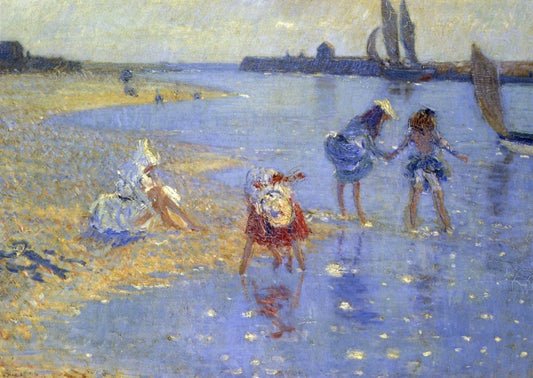
Steer, Philip Wilson (1860-1942) - Walberswick, Children Paddling 1894
Vendor:Digital Download - 1 imageRegular price £0.80Regular priceUnit price per -

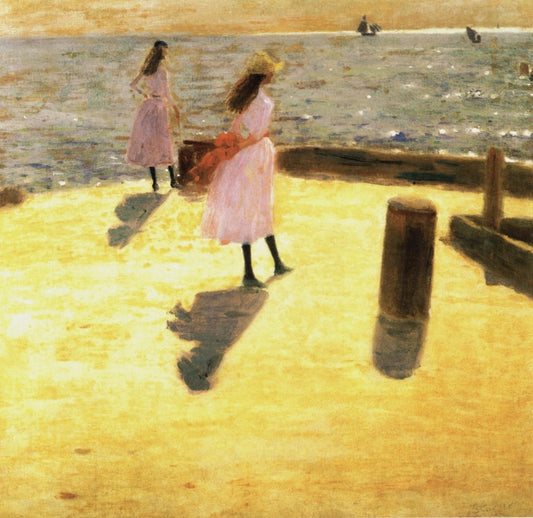
Steer, Philip Wilson (1860-1942) - Two Girls on a Pierhead, Walberswick 1887-88
Vendor:Digital Download - 1 imageRegular price £0.80Regular priceUnit price per -

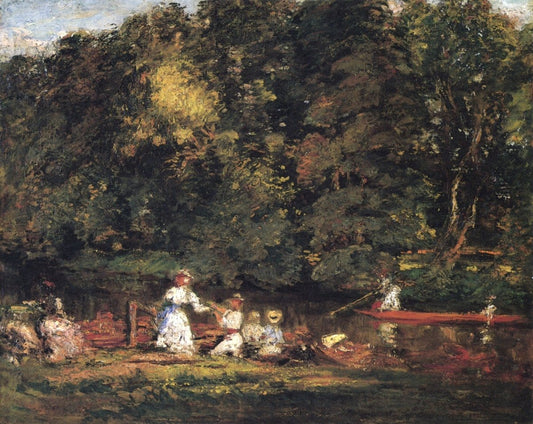
Steer, Philip Wilson (1860-1942) - The Embarkment 1900
Vendor:Digital Download - 1 imageRegular price £0.80Regular priceUnit price per -

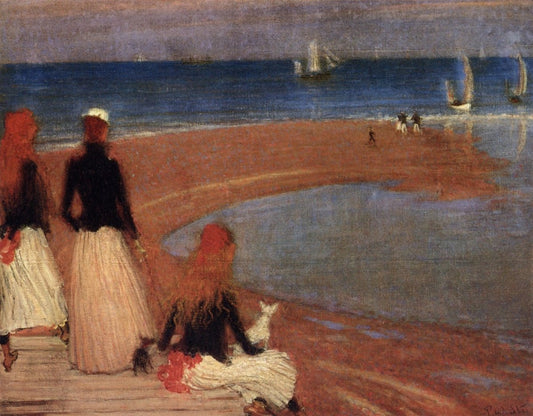
Steer, Philip Wilson (1860-1942) - The Beach at Walberswick c.1889
Vendor:Digital Download - 1 imageRegular price £0.80Regular priceUnit price per -

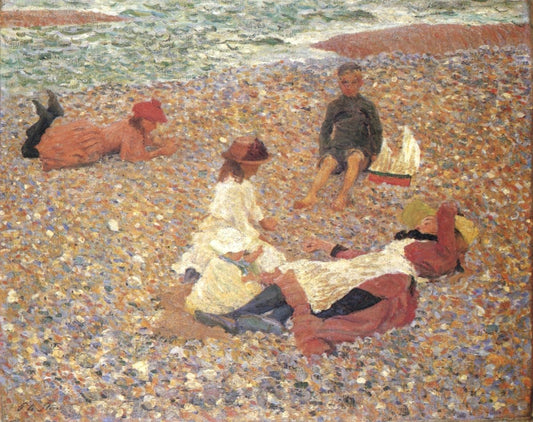
Steer, Philip Wilson (1860-1942) - Knucklebones 1888-89
Vendor:Digital Download - 1 imageRegular price £0.80Regular priceUnit price per -

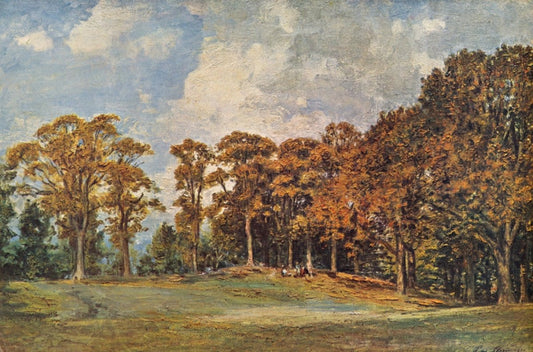
Steer, Philip Wilson (1860-1942) - Grove at Bridgnorth
Vendor:Digital Download - 1 imageRegular price £0.80Regular priceUnit price per -

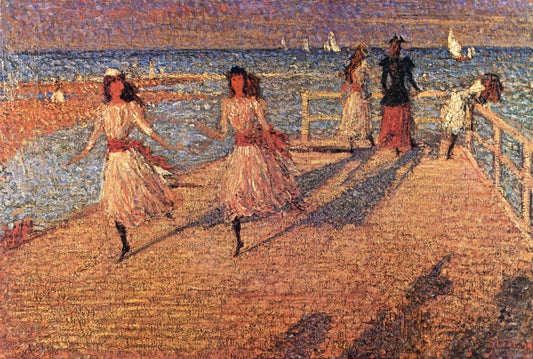
Steer, Philip Wilson (1860-1942) - Girls Running, Walberswick Pier c.1889-94
Vendor:Digital Download - 1 imageRegular price £0.80Regular priceUnit price per -

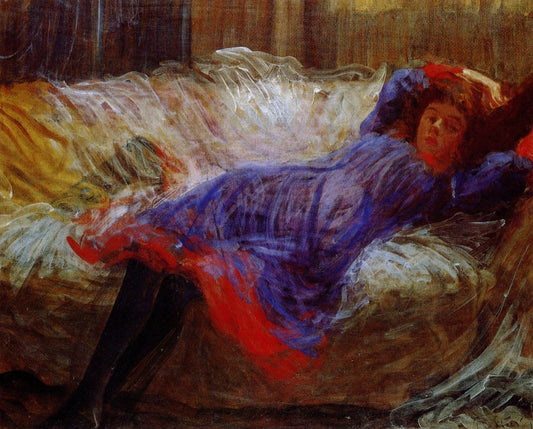
Steer, Philip Wilson (1860-1942) - Girl reclining on a sofa 1892
Vendor:Digital Download - 1 imageRegular price £0.80Regular priceUnit price per -

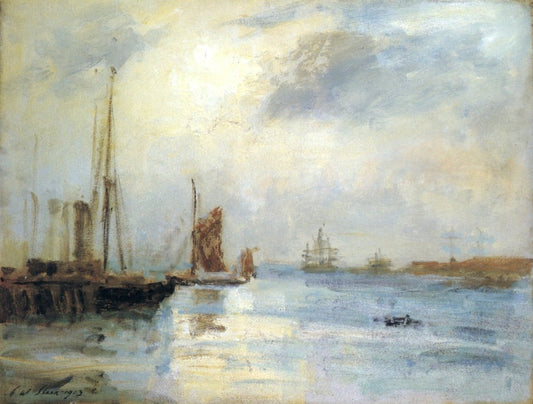
Steer, Philip Wilson (1860-1942) - Boats at Anchor 1913
Vendor:Digital Download - 1 imageRegular price £0.80Regular priceUnit price per -

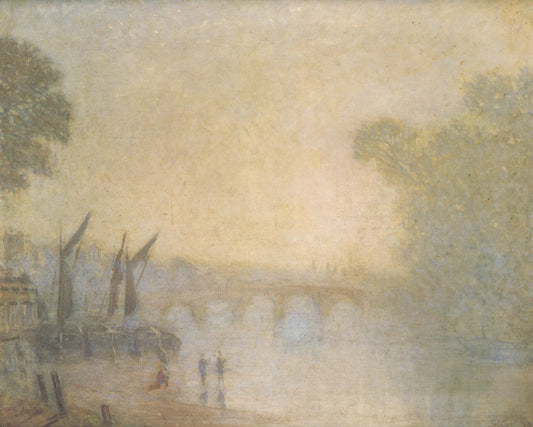
Steer, Philip Wilson (1860-1942) - A Classic Landscape, Richmond 1893
Vendor:Digital Download - 1 imageRegular price £0.80Regular priceUnit price per -

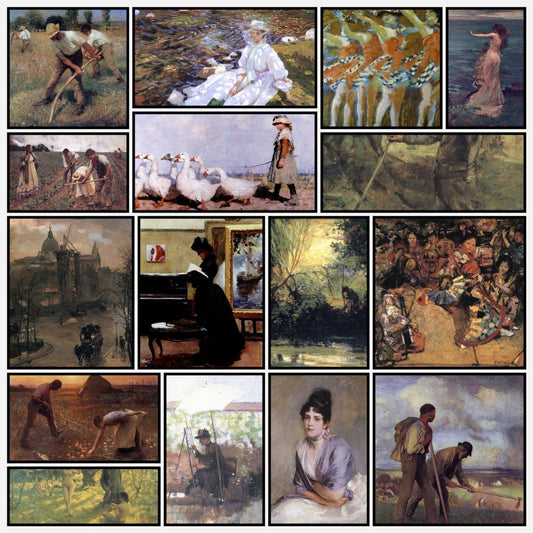
British Impressionism Collection - 100 High Resolution Images
Vendor:Digital Download - 100 imagesRegular price £4.00Regular priceUnit price per


Latest Picture Trove Blog Posts
View all-

William Morris’s Strawberry Thief: The Story Behind a Classic Arts and Crafts Pattern
Few William Morris designs are as instantly recognisable as Strawberry Thief. With its richly patterned foliage, small red strawberries and watchful birds hidden among curling leaves, it has become one of the most loved designs of the Arts and Crafts movement.
William Morris’s Strawberry Thief: The Story Behind a Classic Arts and Crafts Pattern
Few William Morris designs are as instantly recognisable as Strawberry Thief. With its richly patterned foliage, small red strawberries and watchful birds hidden among curling leaves, it has become one of the most loved designs of the Arts and Crafts movement.
-

Glasgow and the Mackintosh Style
We recently took ourselves off to Scotland, and on our travels, we popped into the Mackintosh Tea Rooms in Glasgow for a bit of a nose around and a spot of lunch.
Glasgow and the Mackintosh Style
We recently took ourselves off to Scotland, and on our travels, we popped into the Mackintosh Tea Rooms in Glasgow for a bit of a nose around and a spot of lunch.
-

A Trip to Edinburgh & Glasgow, and Scottish Art
We have just returned from a well-deserved few days' break in Scotland, visiting both Edinburgh and Glasgow, taking in Scottish art and tea rooms!
A Trip to Edinburgh & Glasgow, and Scottish Art
We have just returned from a well-deserved few days' break in Scotland, visiting both Edinburgh and Glasgow, taking in Scottish art and tea rooms!


