

Raffaello Sanzio da Urbino (1483-1520), generally known in English as Raphael, was born on 6th April 1483 in Urbino, Italy, and is widely considered one of the foremost masters of the High Renaissance. His unparalleled artistic output and significant influence on the development of Western art have established him as a pivotal figure in art history.
Known for his clarity of form, ease of composition, and his ability to convey emotion, Raphael’s works embody the ideals of balance, harmony, and beauty that characterise the Renaissance period.
From an early age, Raphael exhibited exceptional talent. Orphaned at the age of eleven, he was taken under the wing of his father’s friend, the painter Timoteo Viti, after his father, Giovanni Santi, a painter himself, passed away. This exposure to the artistic environment of Urbino, combined with his subsequent apprenticeship under Perugino, profoundly shaped his artistic foundation. During this period, Raphael honed his skills in painting and began to develop his own distinctive style.
In 1504, Raphael moved to Florence, a city that served as the epicentre of Renaissance art and culture. Here, he encountered the masterpieces of illustrious artists such as Leonardo da Vinci and Michelangelo. This period was crucial for the evolution of his style; he absorbed the techniques of chiaroscuro and linear perspective, which would later define his work. During this time, he painted numerous Madonna images, such as the renowned "Madonna del Granduca," demonstrating his ability to imbue his subjects with grace and depth.
In 1508, Raphael was summoned to Rome by Pope Julius II to contribute to the Vatican’s decoration. It was here that he created his most celebrated works, including the fresco "The School of Athens," completed between 1509 and 1511. This monumental artwork, housed in the Stanza della Segnatura, epitomises Renaissance humanism by bringing together the great thinkers of antiquity, such as Plato and Aristotle, in a harmonious composition rich in perspective and architectural grandeur. The work showcases Raphael’s ability to create dynamic figures engaged in thoughtful dialogue, and has become a defining example of Renaissance artistry.
Raphael’s contributions to portraiture are equally significant. His "Portrait of Baldassare Castiglione" captures the essence of the illustrious courtier and intellectual of the Renaissance era. Through careful attention to detail, expression, and the use of colour, Raphael was able to convey the subject's inner life and character, establishing him as a master of likeness. His approach to portraiture set new standards, influencing artists for generations to come.
In addition to his frescoes and portraits, Raphael also designed tapestries and worked on architectural projects, including the redesign of St. Peter's Basilica in Rome. His prolific output, estimated to include around 300 paintings and numerous drawings, highlights his versatility and mastery across different mediums.
Tragically, Raphael’s life was cut short when he died on 6th April 1520, on the eve of his 37th birthday. Despite his brief career, his work left an indelible mark on the art world. Raphael’s ability to synthesize the strengths of his contemporaries while maintaining his unique style established him as a benchmark for artistic excellence. His influence persisted long after his death, shaping the practices of artists throughout Europe. Today, Raphael is not merely remembered as a towering figure of the Renaissance but as an artist whose ideals of beauty and harmony continue to resonate in the practice of art.
Explore individual works by Raphael below, alongside our Raphael 51 High Resolution Images collection.
Images to download
-


Raphael 51 High Resolution Images
Vendor:Digital Download - 51 imagesRegular price £4.00Regular priceUnit price per -


Raphael (1483-1520) - The Miraculous Draught of Fishes 1515-16
Vendor:Digital Download - 1 imageRegular price £0.80Regular priceUnit price per -


Raphael (1483-1520) - Solly Madonna c.1502
Vendor:Digital Download - 1 imageRegular price £0.80Regular priceUnit price per -


Raphael (1483-1520) - Self-portrait 1504-06
Vendor:Digital Download - 1 imageRegular price £0.80Regular priceUnit price per -


Raphael (1483-1520) - Saint Catherine of Alexandria c.1507
Vendor:Digital Download - 1 imageRegular price £0.80Regular priceUnit price per -

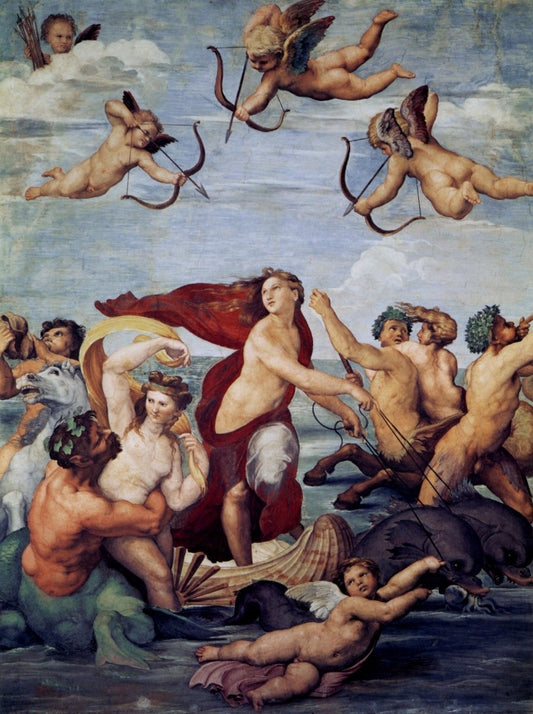
Raphael (1483-1520) - Galatea 1511
Vendor:Digital Download - 1 imageRegular price £0.80Regular priceUnit price per -


Raphael (1483-1520) - The Madonna del Granduca
Vendor:Digital Download - 1 imageRegular price £0.80Regular priceUnit price per -


Raphael (1483-1520) - The Muses 1508-11
Vendor:Digital Download - 1 imageRegular price £0.80Regular priceUnit price per -

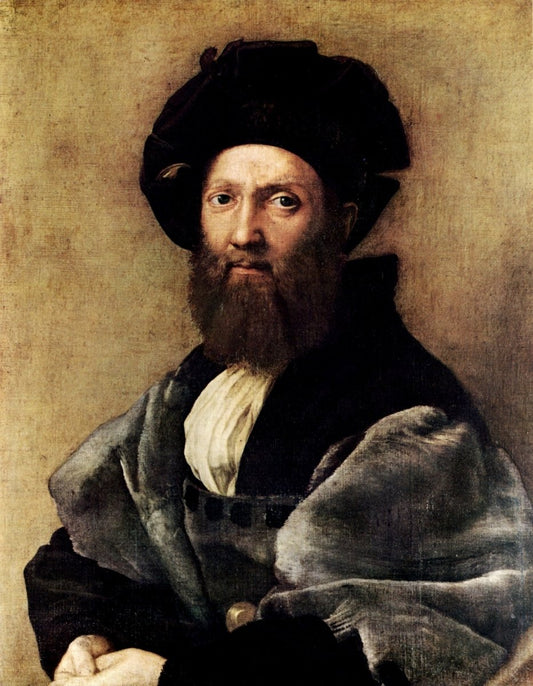
Raphael (1483-1520) - Count Baldassare Castiglione 1514
Vendor:Digital Download - 1 imageRegular price £1.00Regular priceUnit price per -


Raphael (1483-1520) - Madonna di Foligno c.1512
Vendor:Digital Download - 1 imageRegular price £1.00Regular priceUnit price per


Latest Picture Trove Blog Posts
View all-

William Morris’s Strawberry Thief: The Story Behind a Classic Arts and Crafts Pattern
Few William Morris designs are as instantly recognisable as Strawberry Thief. With its richly patterned foliage, small red strawberries and watchful birds hidden among curling leaves, it has become one of the most loved designs of the Arts and Crafts movement.
William Morris’s Strawberry Thief: The Story Behind a Classic Arts and Crafts Pattern
Few William Morris designs are as instantly recognisable as Strawberry Thief. With its richly patterned foliage, small red strawberries and watchful birds hidden among curling leaves, it has become one of the most loved designs of the Arts and Crafts movement.
-

Glasgow and the Mackintosh Style
We recently took ourselves off to Scotland, and on our travels, we popped into the Mackintosh Tea Rooms in Glasgow for a bit of a nose around and a spot of lunch.
Glasgow and the Mackintosh Style
We recently took ourselves off to Scotland, and on our travels, we popped into the Mackintosh Tea Rooms in Glasgow for a bit of a nose around and a spot of lunch.
-

A Trip to Edinburgh & Glasgow, and Scottish Art
We have just returned from a well-deserved few days' break in Scotland, visiting both Edinburgh and Glasgow, taking in Scottish art and tea rooms!
A Trip to Edinburgh & Glasgow, and Scottish Art
We have just returned from a well-deserved few days' break in Scotland, visiting both Edinburgh and Glasgow, taking in Scottish art and tea rooms!


