

William Morris (1834–1896) was a British designer, writer, artist and social thinker, best known as one of the leading figures of the Arts and Crafts Movement. His designs for wallpapers, textiles and decorative objects helped shape Victorian design and remain widely admired for their botanical forms, repeating patterns and rich sense of craftsmanship.
Who was William Morris?
William Morris was a pivotal figure in the British Arts and Crafts Movement, known for his work in design, literature and social reform. Born in Walthamstow, London, Morris emerged as a multifaceted artist, excelling in a range of disciplines, including textiles, wallpaper design, stained glass, and furniture making.
Morris's artistic journey began with his education at Oxford University, where he studied theology but soon became enamoured with art and design. He believed that the art of production should be connected to the artist's vision, advocating for handcrafted items over mass-produced ones. This belief led to the founding of Morris & Co in 1861, a design firm that became synonymous with high-quality decorative arts. His designs often drew inspiration from nature, featuring elaborate floral patterns and rich colours. Iconic works like the "Trellis" wallpaper and "Dove and Rose" patterns showcased his talent and dedication to beauty in everyday objects.
Beyond his artistic endeavours, Morris was also a passionate socialist, deeply concerned with the social issues of his time. He wrote extensively about the need for social reform and the elimination of capitalism, believing that it degraded both artistry and the working class. His political beliefs were intertwined with his artistic vision; he thought that true art could only flourish in a society where people were free and fulfilled.
Morris was not only a designer and activist but also a prolific writer. His literary works included poetry, novels, and essays, with notable pieces such as "News from Nowhere," a utopian novel that reflects his socialist ideals. Today, William Morris remains closely associated with the idea that art, design and social values are connected.
William Morris and the Arts and Crafts Movement
William Morris was one of the central figures of the Arts and Crafts Movement, which developed in Britain during the second half of the nineteenth century. The movement grew partly as a response to industrialisation and mass production, at a time when many artists, designers and writers were concerned that traditional skills and thoughtful craftsmanship were being lost.
Morris believed that useful objects should also be beautiful, and that good design should not be reserved only for galleries or wealthy collectors. Through his work in interiors, textiles, wallpapers, books and decorative objects, he helped promote the idea that art could be part of everyday life.
The Arts and Crafts Movement placed great value on materials, skilled making and honest design. Morris’s work reflected these ideas through carefully planned patterns, natural forms and a respect for handcraft. His influence extended well beyond his own lifetime, shaping later approaches to interior design, illustration, printing and decorative art.
William Morris Designs and Patterns
William Morris is best known today for his decorative designs, especially his wallpapers and textiles. His patterns often drew on the natural world, with flowers, leaves, birds, fruit and winding stems arranged into rich, repeating compositions. Rather than treating decoration as something secondary, Morris believed that pattern, colour and craftsmanship could bring beauty into everyday surroundings.
Many of his designs were produced through Morris & Co, the furnishing and decorative arts company he helped establish. The company created wallpapers, printed and woven fabrics, tapestries, carpets, stained glass and other interior furnishings. These works became closely associated with the Arts and Crafts Movement, which valued traditional skills, thoughtful design and a closer relationship between art and daily life.
Morris’s designs remain especially popular because they combine structure with a strong sense of movement. Their repeating forms make them well suited to wallpaper, fabric and printed surfaces, while their botanical detail gives them a distinctive handmade character. Designs such as Strawberry Thief, Willow Bough, Trellis and Jasmine show the variety of his work, from dense floral patterns to more open arrangements of leaves, branches and birds.
Are William Morris Designs in the Public Domain?
William Morris died in 1896, which means that his own artwork and designs are now out of copyright in the UK, the US and most other countries. This includes many of his well-known patterns, textile designs, wallpapers and decorative works.
However, public domain status can depend on the country, the type of work and the source image being used. While the original William Morris designs are no longer protected by copyright in most jurisdictions, modern photographs, scans, restorations or edited versions may have their own separate rights attached.
The images available through Public Domain Image Library are sourced from public domain material and prepared as high-resolution digital downloads. They can be used for creative, educational and commercial projects, including design reference, publishing, printmaking, collage, websites and other visual work.
William Morris Images to Download
-

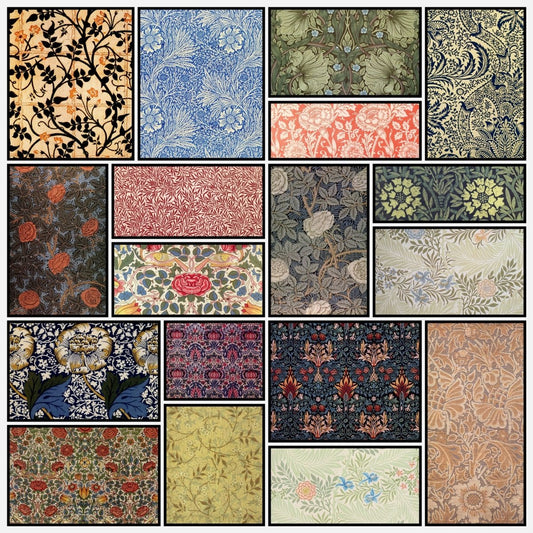
William Morris 125 High Resolution Images
Vendor:Digital Download - 125 imagesRegular price £5.00Regular priceUnit price per -

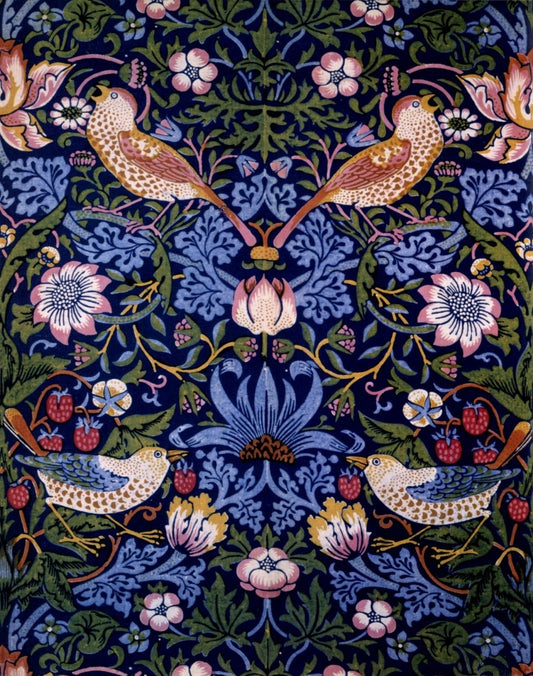
Morris, William (1834-1896) - Strawberry Thief 1883
Vendor:Digital Download - 1 imageRegular price £0.80Regular priceUnit price per -

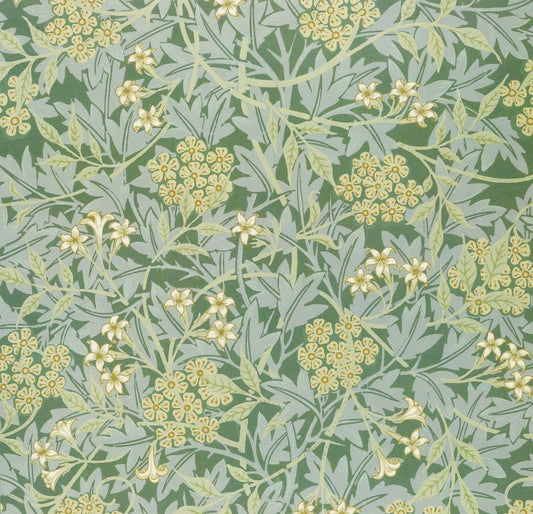
Morris, William (1834-1896) - Jasmine design 1872
Vendor:Digital Download - 1 imageRegular price £0.80Regular priceUnit price per -

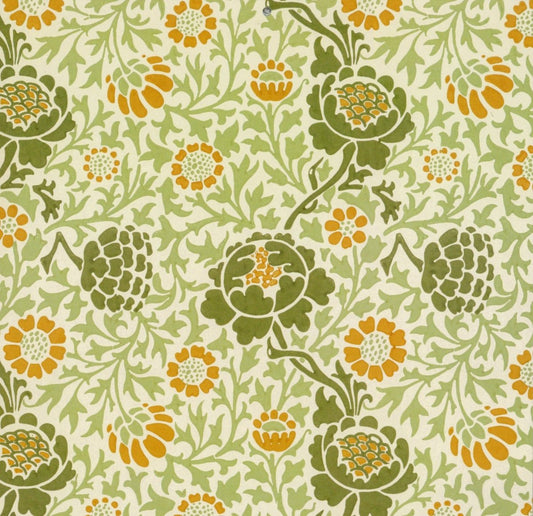
Morris, William (1834-1896) - Grafton 1883
Vendor:Digital Download - 1 imageRegular price £0.80Regular priceUnit price per -

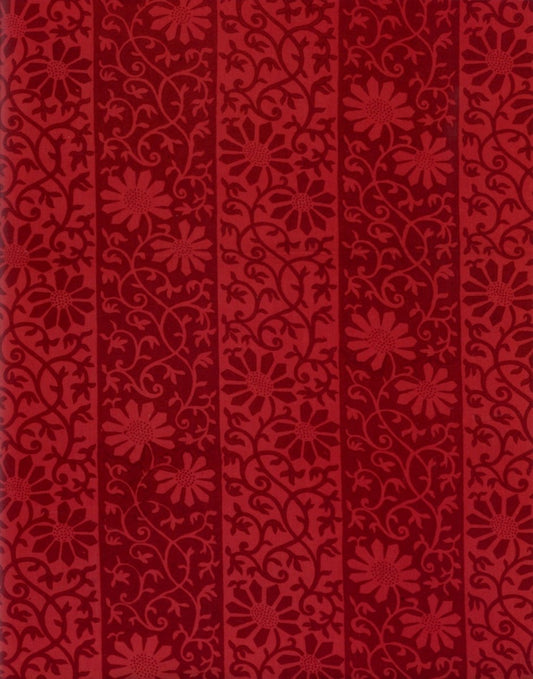
Dearle, John H. (1859-1932) for Morris & Co. - Stripe Twill c.1906
Vendor:Digital Download - 1 imageRegular price £0.80Regular priceUnit price per -

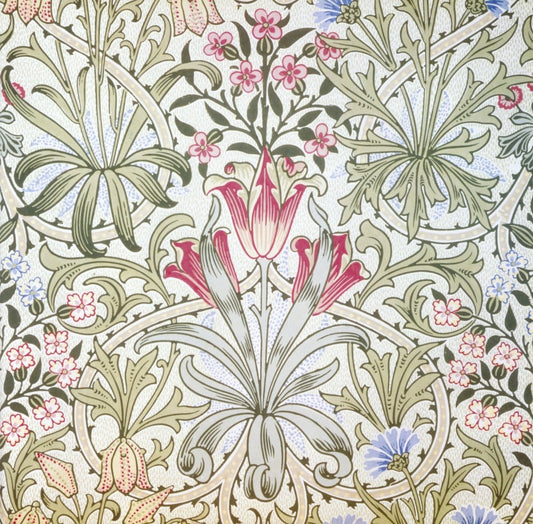
Dearle, John H. (1859-1932) for Morris & Co. - Persian wallpaper
Vendor:Digital Download - 1 imageRegular price £0.80Regular priceUnit price per -

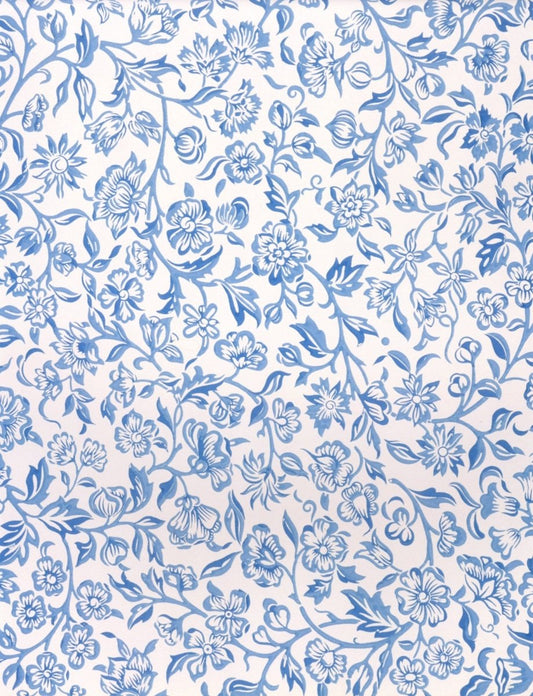
Faulkner, Kate (1841-1898) for Morris & Co. - Merton wallpaper 1888
Vendor:Digital Download - 1 imageRegular price £0.80Regular priceUnit price per -

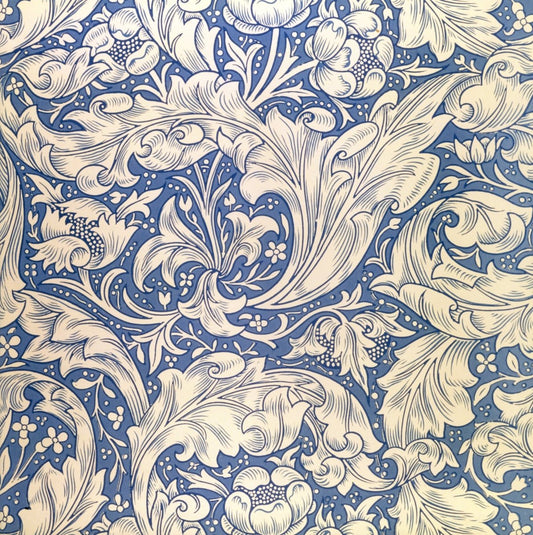
Morris, William (1834-1896) - Bachelor's Button wallpaper c.1892
Vendor:Digital Download - 1 imageRegular price £0.80Regular priceUnit price per -

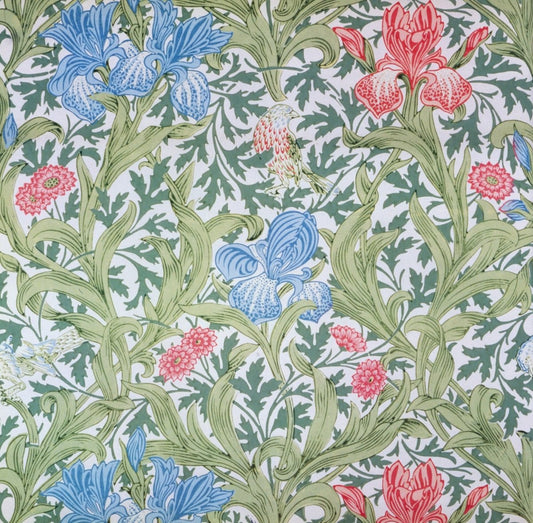
Dearle, John H. (1859-1932) for Morris & Co. - Iris wallpaper c.1887-1902
Vendor:Digital Download - 1 imageRegular price £0.80Regular priceUnit price per -

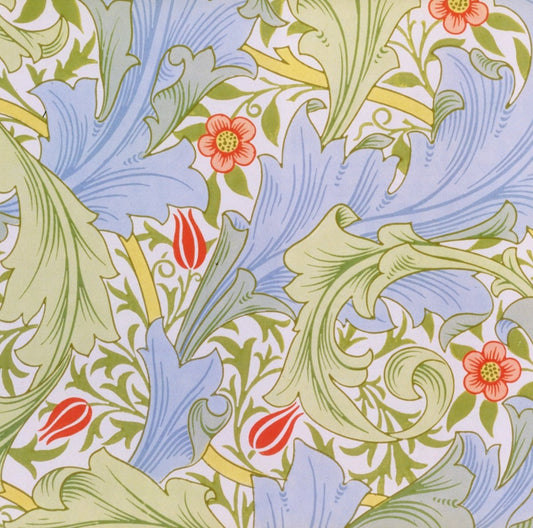
Dearle, John H. (1859-1932) for Morris & Co. - Granville wallpaper 1896
Vendor:Digital Download - 1 imageRegular price £0.80Regular priceUnit price per -

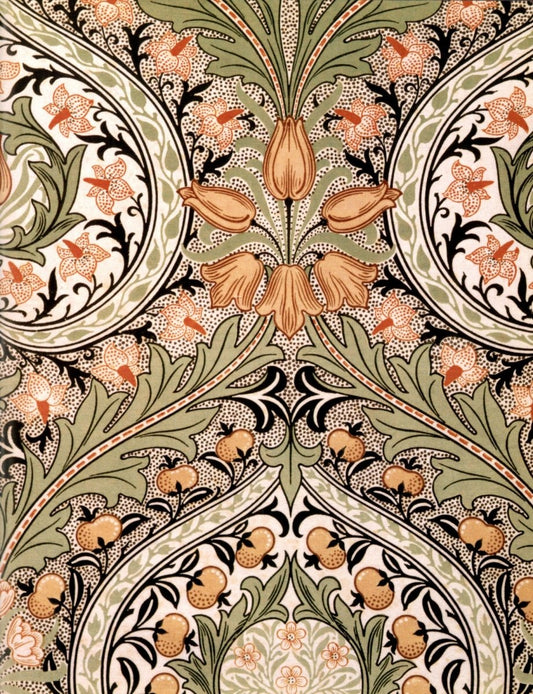
Dearle, John H. (1859-1932) for Morris & Co. - Eden c.1905
Vendor:Digital Download - 1 imageRegular price £0.80Regular priceUnit price per -

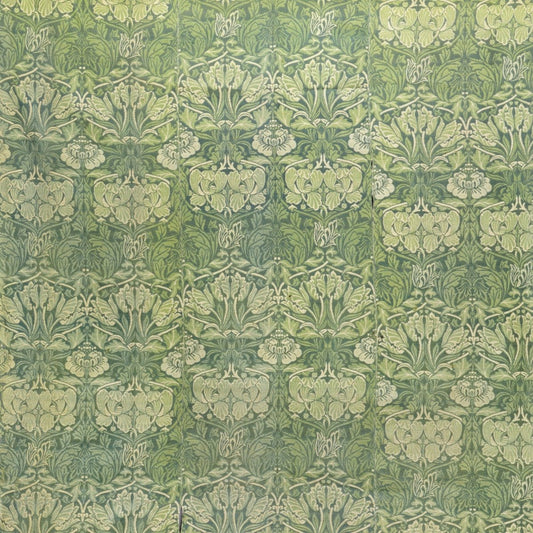
Morris, William (1834-1896) - Tulip & Rose furnishing fabric 1876
Vendor:Digital Download - 1 imageRegular price £0.80Regular priceUnit price per -

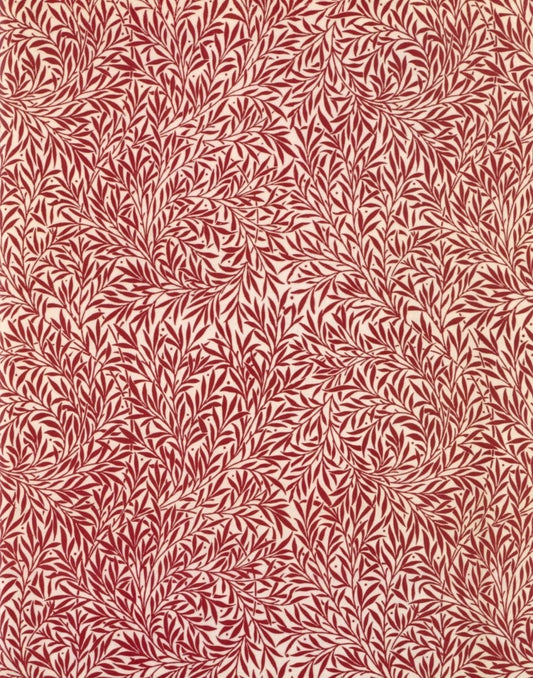
Morris, William (1834-1896) - Scroll, Little Scroll or Willow c.1895
Vendor:Digital Download - 1 imageRegular price £0.80Regular priceUnit price per -

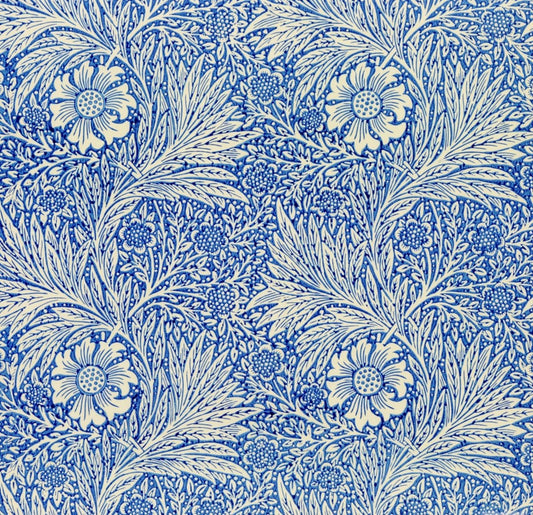
Morris, William (1834-1896) - Marigold 1887
Vendor:Digital Download - 1 imageRegular price £0.80Regular priceUnit price per -

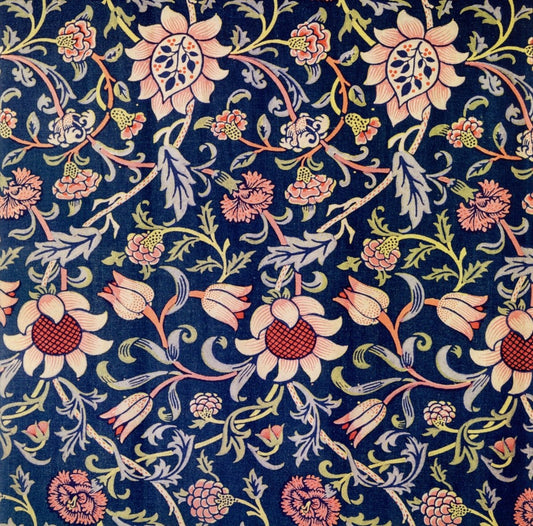
Morris, William (1834-1896) - Evenlode cotton 1883
Vendor:Digital Download - 1 imageRegular price £0.80Regular priceUnit price per -

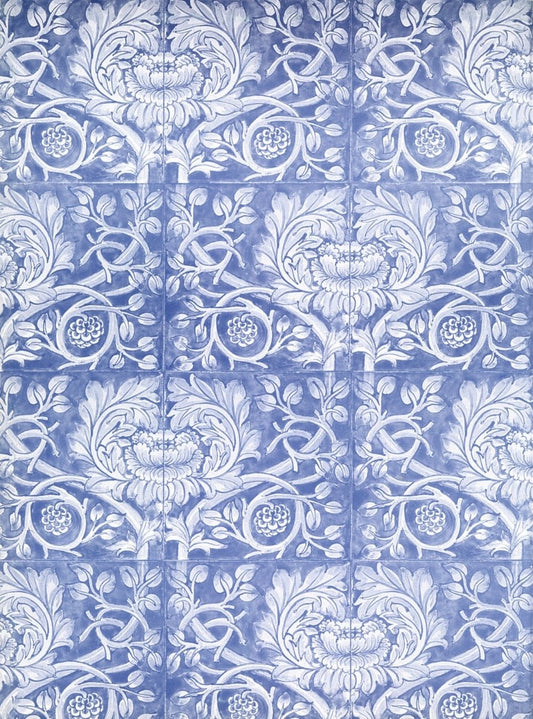
Morris, William (1834-1896) - Chrysanthemum tile design 1876
Vendor:Digital Download - 1 imageRegular price £0.80Regular priceUnit price per -

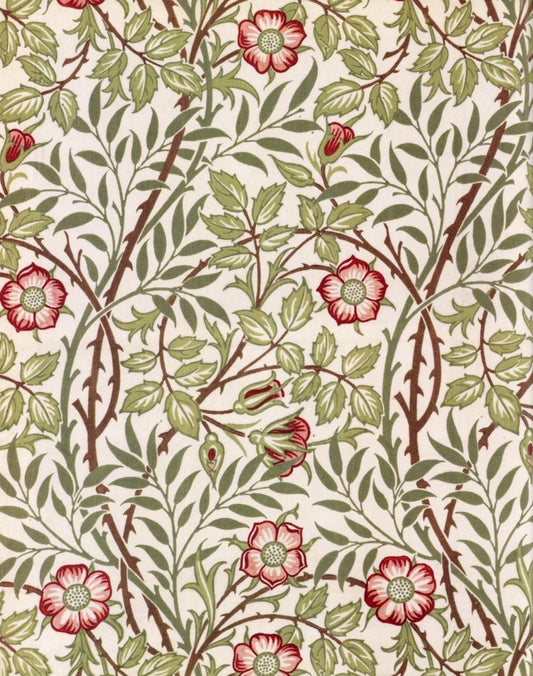
Dearle, John H. (1859-1932) for Morris & Co. - Sweet Briar 1912
Vendor:Digital Download - 1 imageRegular price £0.80Regular priceUnit price per -

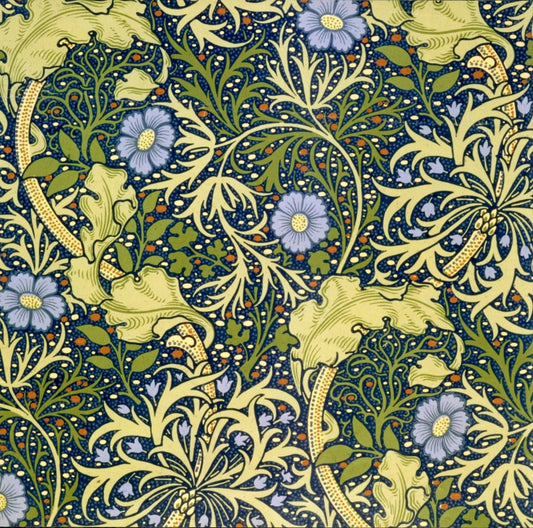
Dearle, John H. (1859-1932) for Morris & Co. - Seaweed wallpaper 1901
Vendor:Digital Download - 1 imageRegular price £0.80Regular priceUnit price per -

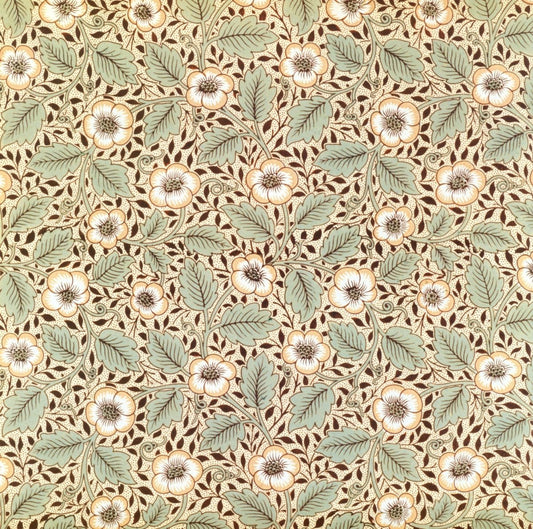
Morris, William (1834-1896) - Briar Rose wallpaper
Vendor:Digital Download - 1 imageRegular price £0.80Regular priceUnit price per -

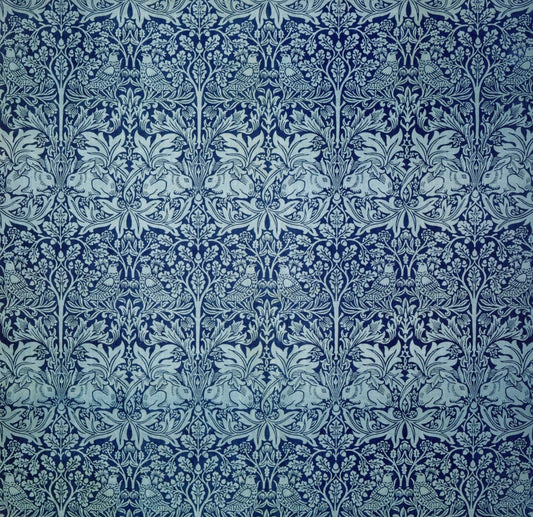
Morris, William (1834-1896) - Brer Rabbit 1881
Vendor:Digital Download - 1 imageRegular price £0.80Regular priceUnit price per -

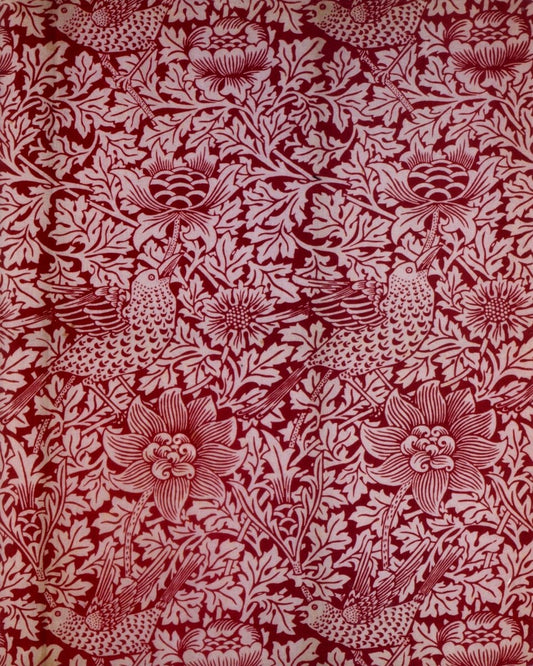
Morris, William (1834-1896) - Bird and Anemone 1882
Vendor:Digital Download - 1 imageRegular price £0.80Regular priceUnit price per -

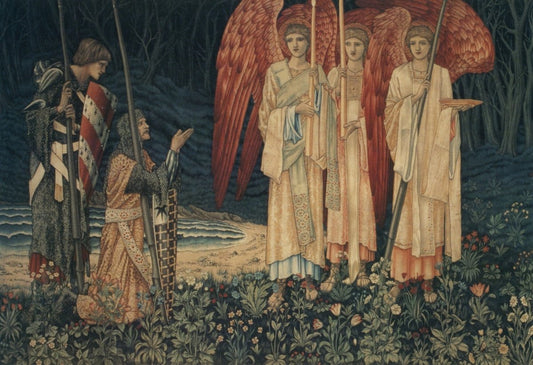
Morris, William (1834-1896) & Burne Jones, E. (1833-1898) - The Attainment 1890-4
Vendor:Digital Download - 1 imageRegular price £0.80Regular priceUnit price per -

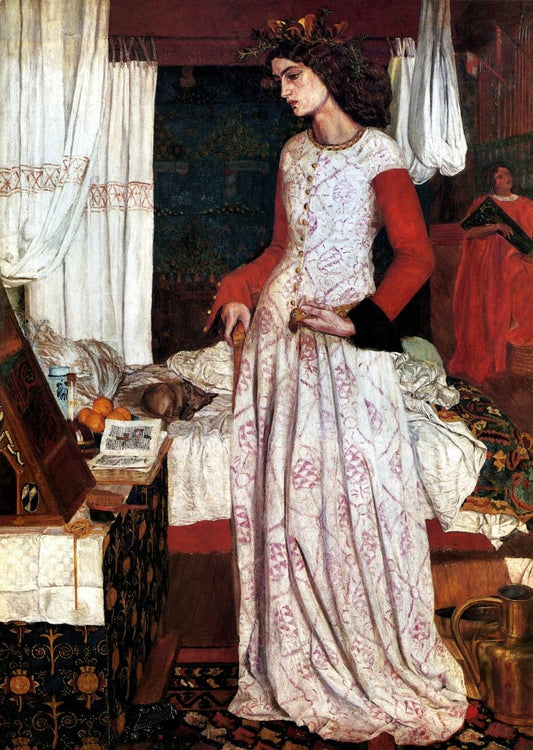
Morris, William (1834-1896) - Queen Guinevere or La Belle Iseult 1858
Vendor:Digital Download - 1 imageRegular price £0.80Regular priceUnit price per -

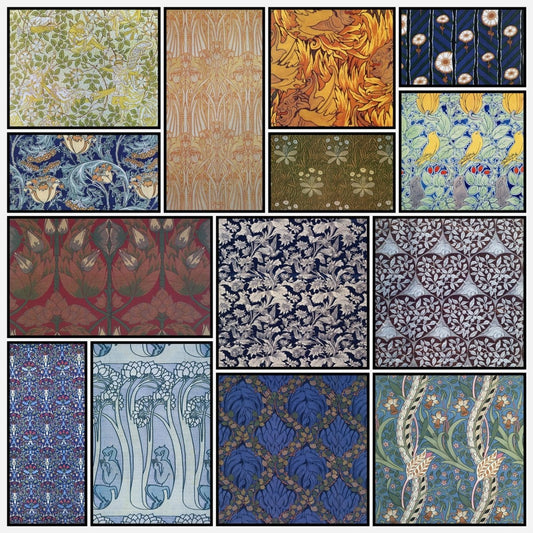
Arts & Crafts - 48 High Resolution Designs
Vendor:Digital Download - 48 imagesRegular price £4.00Regular priceUnit price per


Latest Picture Trove Blog Posts
View all-

Glasgow and the Mackintosh Style
We recently took ourselves off to Scotland, and on our travels, we popped into the Mackintosh Tea Rooms in Glasgow for a bit of a nose around and a spot of lunch.
Glasgow and the Mackintosh Style
We recently took ourselves off to Scotland, and on our travels, we popped into the Mackintosh Tea Rooms in Glasgow for a bit of a nose around and a spot of lunch.
-

A Trip to Edinburgh & Glasgow, and Scottish Art
We have just returned from a well-deserved few days' break in Scotland, visiting both Edinburgh and Glasgow, taking in Scottish art and tea rooms!
A Trip to Edinburgh & Glasgow, and Scottish Art
We have just returned from a well-deserved few days' break in Scotland, visiting both Edinburgh and Glasgow, taking in Scottish art and tea rooms!
-

Why Book Illustration Deserves a Spot Beside Fine Art Paintings
Let’s have a proper look at something that’s always irked me: the idea that book illustration is somehow a lesser art form than fine art painting.
Why Book Illustration Deserves a Spot Beside Fine Art Paintings
Let’s have a proper look at something that’s always irked me: the idea that book illustration is somehow a lesser art form than fine art painting.


