

Maria Sybilla Merian (1647-1717) was a pioneering figure in the fields of entomology and botany during the late 17th and early 18th centuries. Born on 2 April 1647, in Frankfurt, Germany, she was the daughter of Matthäus Merian, a well-known engraver and publisher. Despite the restrictions placed on women in her era, Maria broke through societal barriers to make significant contributions to the scientific community.
Merian's fascination with insects began in her childhood, influenced by her father’s artistic background. As a young girl, she would often observe and document insects in their various life stages, an interest that would grow into a lifetime passion. At the age of 18, she married Johann Andreas Graff, an artist, which allowed her access to a world of art and creativity. The couple had two daughters, but as her marriage progressed, Merian began to focus more on her scientific pursuits. Eventually, in 1690, she separated from her husband to fully dedicate herself to her work.
One of her most significant achievements was her detailed illustrations of insects and plants, which were groundbreaking for their accuracy and artistry. In 1675, she published her first major work, “Der Raupen wunderbare Verwandelung” (The Wonderful Transformation of Caterpillars), which showcased her meticulous observations and artistic talent. This publication was notable not only for its beautiful illustrations but also for the scientific insight it provided, as it documented the life cycles of various insects, including butterflies. Merian was one of the first to recognise the importance of metamorphosis and the relationship between insects and the plants they inhabited, an idea that was revolutionary at the time.
Her desire for deeper understanding led her to travel to the Dutch colony of Surinam in South America in 1699. This trip was transformative; it exposed her to a rich diversity of flora and fauna. Merian meticulously documented the exotic insects and plants she encountered, creating stunning illustrations that blended art and science. Her observations during this expedition were published in “Metamorphosis Insectorum Surinamensium” in 1705, a monumental work that not only illustrated the species she studied but also provided insights into their habitats and behaviours.
Merian’s work was notable for its accurate representation of nature, a rarity in a time when many scientific illustrations were highly stylised or purely artistic. She emphasised the relationship between insects and plants, thereby contributing to the early understanding of ecology. Her approach was methodical and rooted in observation, laying the groundwork for future entomologists and naturalists.
Despite her remarkable contributions, Merian faced challenges typical of women in the sciences. Her work often went unrecognised in her lifetime, overshadowed by her male contemporaries. However, her legacy has endured, and she is now celebrated as one of the early female scientists who paved the way for future generations. In 1715, she passed away in Amsterdam at the age of 68. Today, her contributions are recognised, and her illustrations are displayed in various museums and academic institutions, serving as a reminder of her significant impact on the fields of entomology and botany.
Maria Sybilla Merian’s life and work exemplify the intersection of art and science. Her relentless curiosity and dedication to observing nature changed the way we understand insect life cycles and their environments. Merian’s legacy is not just that of a skilled artist or a pioneering naturalist, but also that of a trailblazer who inspired future generations to pursue knowledge and wonder in the natural world.
Images to download
-

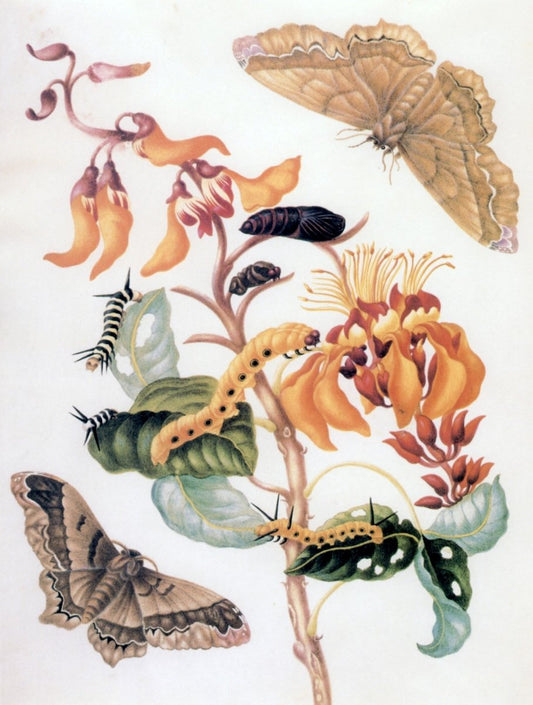
Merian, Maria Sibylla (1647-1717) - Eriythrina glauca et Arsenura armida c.1700-02
Vendor:Digital Download - 1 imageRegular price £0.80Regular priceUnit price per -

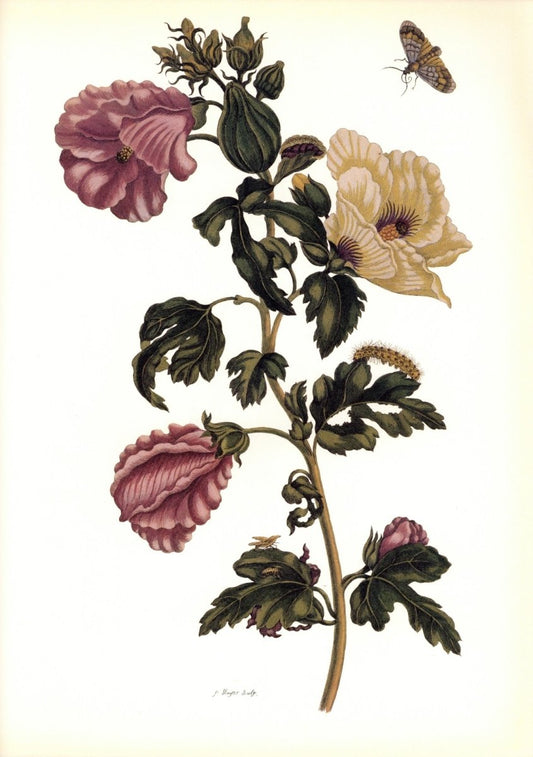
Merian, Maria Sibylla (1647-1717) - Hibiscus Sabdariffa 1705
Vendor:Digital Download - 1 imageRegular price £0.80Regular priceUnit price per -

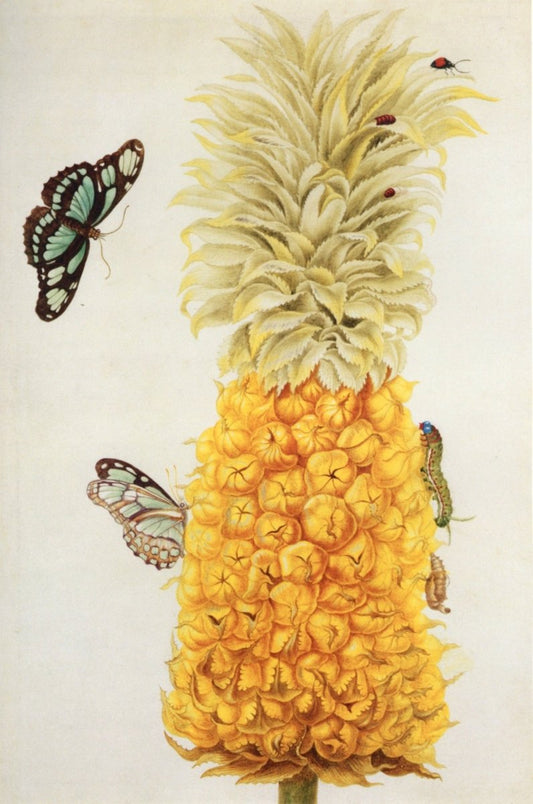
Merian, Maria Sibylla (1647-1717) - Philaethria dido & Chilocorus cacti 1705
Vendor:Digital Download - 1 imageRegular price £0.80Regular priceUnit price per -

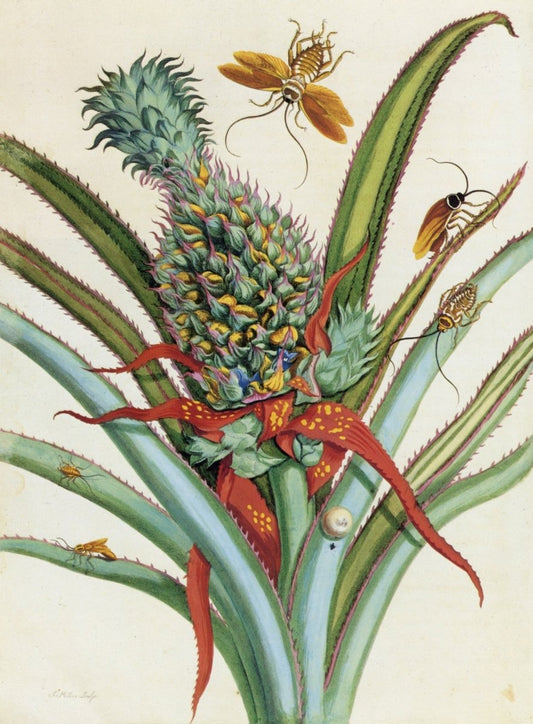
Merian, Maria Sibylla (1647-1717) - Pineapple 1719
Vendor:Digital Download - 1 imageRegular price £0.80Regular priceUnit price per -

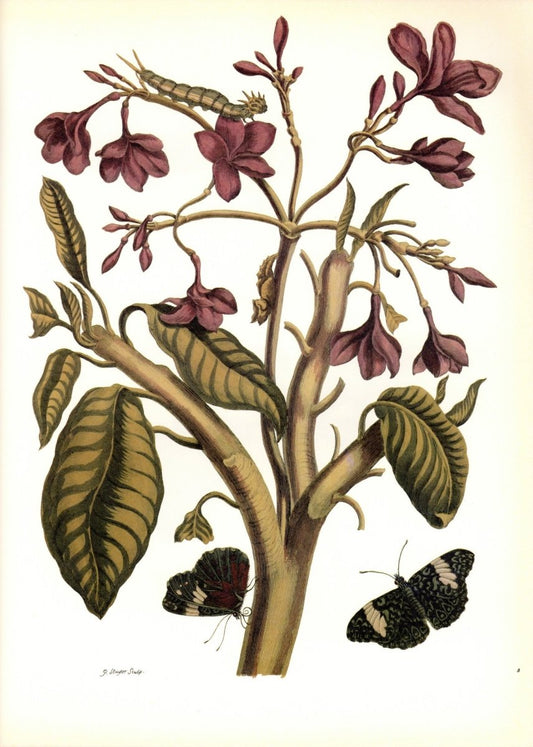
Merian, Maria Sibylla (1647-1717) - Red Jasmine Tree 1705
Vendor:Digital Download - 1 imageRegular price £0.80Regular priceUnit price per -

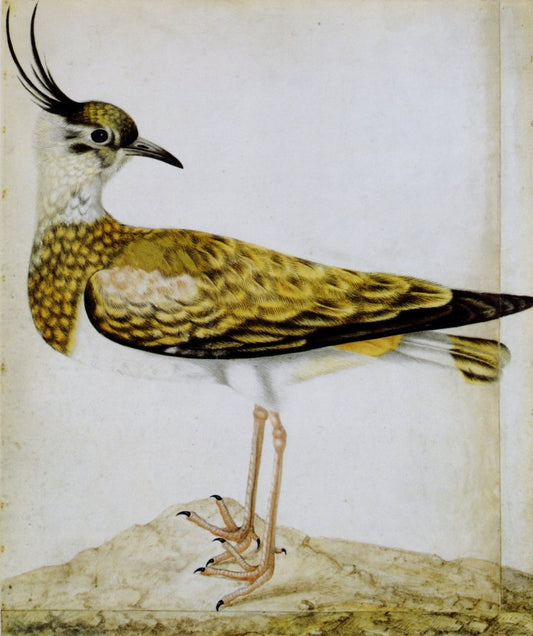
Merian, Maria Sibylla (1647-1717) - The Lapwing
Vendor:Digital Download - 1 imageRegular price £0.80Regular priceUnit price per -

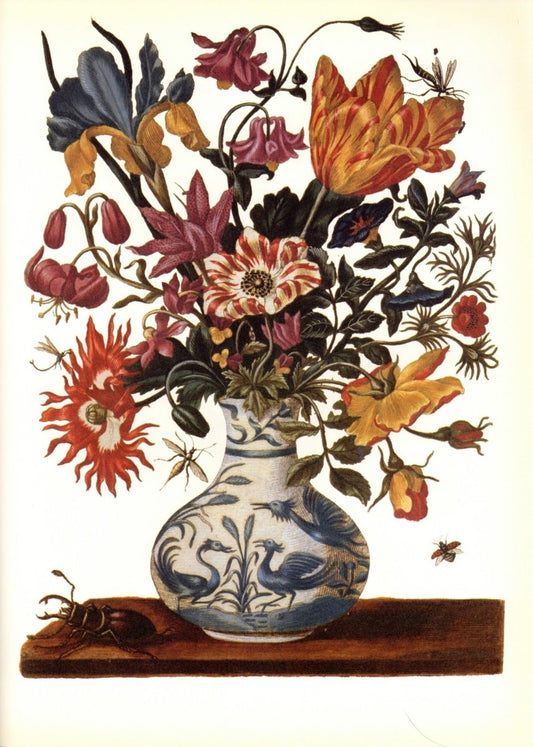
Merian, Maria Sibylla (1647-1717) - Vase of Flowers 1675
Vendor:Digital Download - 1 imageRegular price £0.80Regular priceUnit price per -

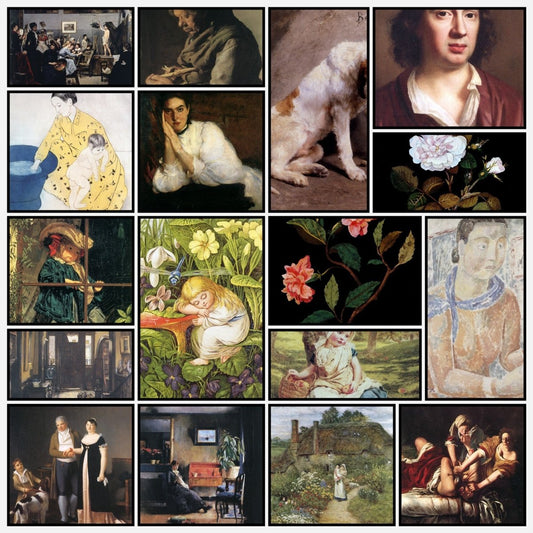
Women Artists - 180 High Resolution Images
Vendor:Digital Download - 180 imagesRegular price £8.00Regular priceUnit price per -

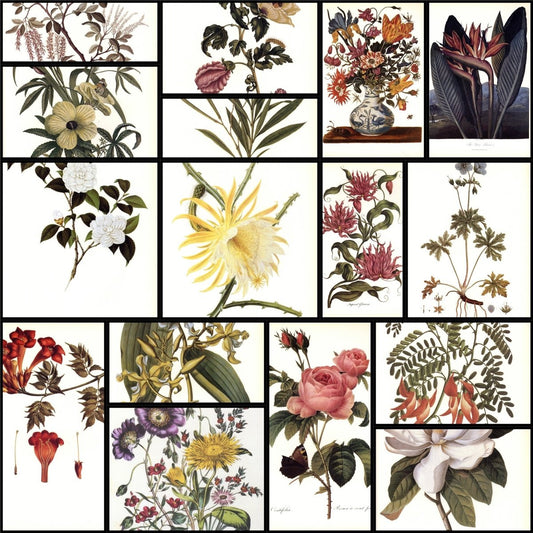
Botanical Prints - 40 High Resolution Images
Vendor:Digital Download - 40 imagesRegular price £4.00Regular priceUnit price per -

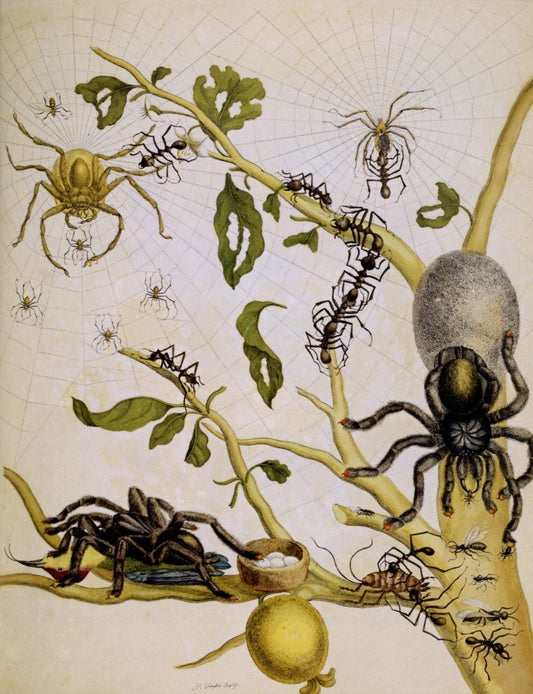
Merian, Maria Sibylla (1647-1717) - Spiders 1705
Vendor:Digital Download - 1 imageRegular price £0.80Regular priceUnit price per


Latest Picture Trove Blog Posts
View all-

William Morris’s Strawberry Thief: The Story Behind a Classic Arts and Crafts Pattern
Few William Morris designs are as instantly recognisable as Strawberry Thief. With its richly patterned foliage, small red strawberries and watchful birds hidden among curling leaves, it has become one of the most loved designs of the Arts and Crafts movement.
William Morris’s Strawberry Thief: The Story Behind a Classic Arts and Crafts Pattern
Few William Morris designs are as instantly recognisable as Strawberry Thief. With its richly patterned foliage, small red strawberries and watchful birds hidden among curling leaves, it has become one of the most loved designs of the Arts and Crafts movement.
-

Glasgow and the Mackintosh Style
We recently took ourselves off to Scotland, and on our travels, we popped into the Mackintosh Tea Rooms in Glasgow for a bit of a nose around and a spot of lunch.
Glasgow and the Mackintosh Style
We recently took ourselves off to Scotland, and on our travels, we popped into the Mackintosh Tea Rooms in Glasgow for a bit of a nose around and a spot of lunch.
-

A Trip to Edinburgh & Glasgow, and Scottish Art
We have just returned from a well-deserved few days' break in Scotland, visiting both Edinburgh and Glasgow, taking in Scottish art and tea rooms!
A Trip to Edinburgh & Glasgow, and Scottish Art
We have just returned from a well-deserved few days' break in Scotland, visiting both Edinburgh and Glasgow, taking in Scottish art and tea rooms!


