

Carlo Maratta (1625-1713) stands as one of the preeminent painters of the Italian Baroque period, renowned for his refined classicism and influential role in the artistic circles of Rome. Born in Camerano, in the Marche region of Italy, Maratta moved to Rome at a young age, where he was trained in the studio of Andrea Sacchi. Under Sacchi’s tutelage, he absorbed the principles of clarity, harmony, and balanced composition that would become hallmarks of his mature style.
Maratta’s early works already demonstrated a remarkable facility for drawing and a keen sensitivity to colour and light. He quickly gained recognition and was soon commissioned to paint altarpieces, frescoes, and portraits for Rome’s leading churches and patrons. His paintings are characterised by their graceful figures, luminous palette, and a serenity that contrasts with the more dramatic tendencies of earlier Baroque art. Maratta’s approach often involved a conscious revival of Raphael’s ideals of beauty and harmony, setting him apart from contemporaries who favoured more dynamic and theatrical effects.
Among Maratta’s most significant achievements are his altarpieces for churches such as Santa Maria del Popolo and San Giovanni in Laterano. His works were highly sought after not only for their religious content but also for their elegance and compositional balance. In addition to his religious paintings, Maratta was an accomplished portraitist, capturing the likenesses of popes, cardinals, and members of the Roman aristocracy with a combination of psychological insight and formal restraint.
Maratta’s influence extended beyond his own prolific output. As the head of a large and successful workshop, he trained a generation of artists who perpetuated his style well into the eighteenth century. He was also involved in the restoration of important works of art, including Raphael’s frescoes in the Vatican, reflecting his deep respect for the classical traditions of the Renaissance.
Throughout his long career, Maratta enjoyed the patronage of several popes and was widely recognised as the leading painter in Rome after the deaths of Sacchi and Pietro da Cortona. His work helped to shape the transition from the exuberance of the High Baroque to a more restrained and classical aesthetic, paving the way for the developments of the later eighteenth century. Today, Carlo Maratta is celebrated for his graceful compositions and his pivotal role in the history of Italian art.
Images to download
-

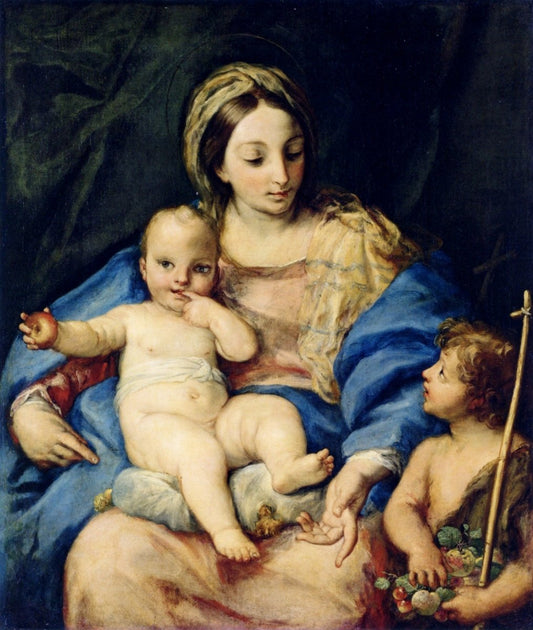
Maratta, Carlo (1625-1713) - The Virgin & Child with St John the Baptist
Vendor:Digital Download - 1 imageRegular price £0.80Regular priceUnit price per -

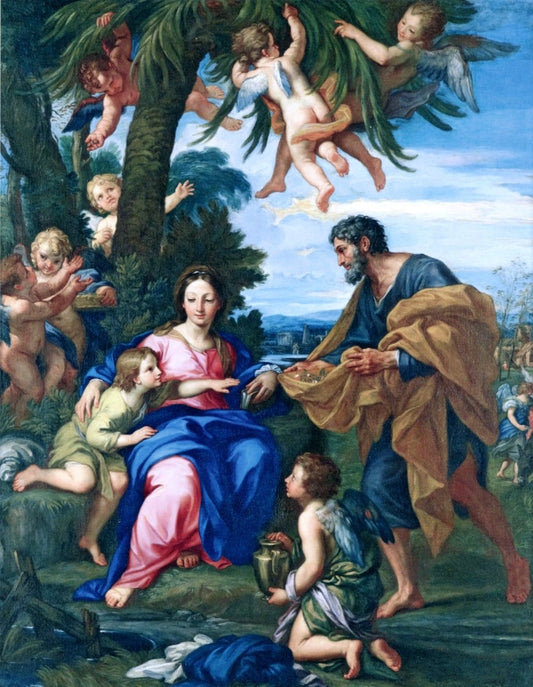
Maratta, Carlo (1625-1713) - The Rest on the Flight into Egypt 1650s
Vendor:Digital Download - 1 imageRegular price £0.80Regular priceUnit price per -

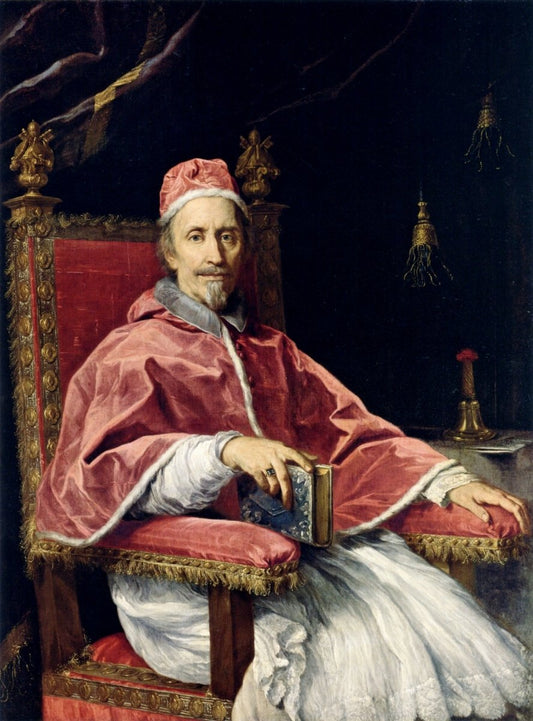
Maratta, Carlo (1625-1713) - Pope Clement IX 1669
Vendor:Digital Download - 1 imageRegular price £0.80Regular priceUnit price per -

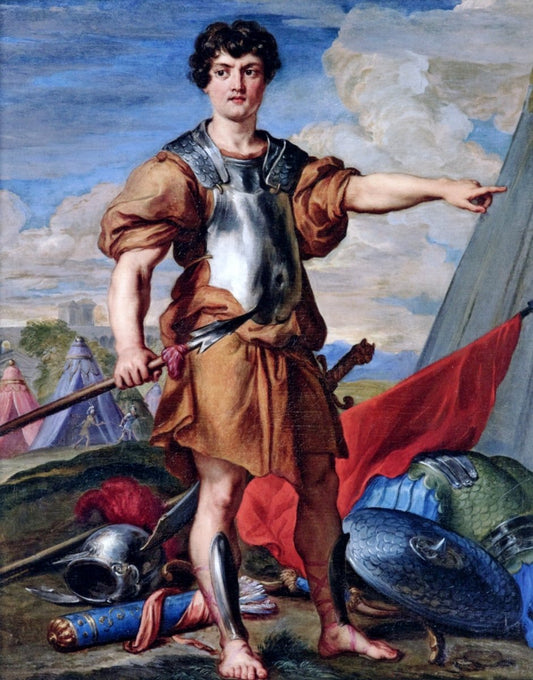
Maratta, Carlo (1625-1713) - David in the Camp of the Philistines 1700s
Vendor:Digital Download - 1 imageRegular price £0.80Regular priceUnit price per -

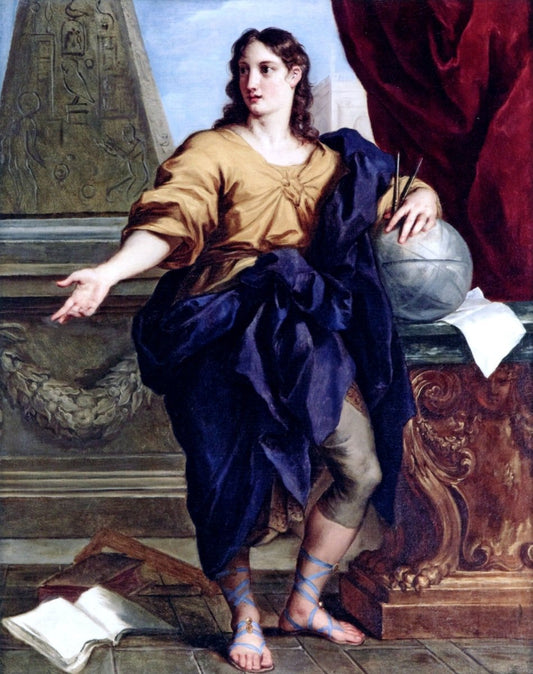
Maratta, Carlo (1625-1713) - Alexander 1700s
Vendor:Digital Download - 1 imageRegular price £0.80Regular priceUnit price per


Latest Picture Trove Blog Posts
View all-

William Morris’s Strawberry Thief: The Story Behind a Classic Arts and Crafts Pattern
Few William Morris designs are as instantly recognisable as Strawberry Thief. With its richly patterned foliage, small red strawberries and watchful birds hidden among curling leaves, it has become one of the most loved designs of the Arts and Crafts movement.
William Morris’s Strawberry Thief: The Story Behind a Classic Arts and Crafts Pattern
Few William Morris designs are as instantly recognisable as Strawberry Thief. With its richly patterned foliage, small red strawberries and watchful birds hidden among curling leaves, it has become one of the most loved designs of the Arts and Crafts movement.
-

Glasgow and the Mackintosh Style
We recently took ourselves off to Scotland, and on our travels, we popped into the Mackintosh Tea Rooms in Glasgow for a bit of a nose around and a spot of lunch.
Glasgow and the Mackintosh Style
We recently took ourselves off to Scotland, and on our travels, we popped into the Mackintosh Tea Rooms in Glasgow for a bit of a nose around and a spot of lunch.
-

A Trip to Edinburgh & Glasgow, and Scottish Art
We have just returned from a well-deserved few days' break in Scotland, visiting both Edinburgh and Glasgow, taking in Scottish art and tea rooms!
A Trip to Edinburgh & Glasgow, and Scottish Art
We have just returned from a well-deserved few days' break in Scotland, visiting both Edinburgh and Glasgow, taking in Scottish art and tea rooms!


