

Jean-Étienne Liotard (1702-1789) was a Swiss painter of notable originality and international renown, celebrated for his mastery of pastel portraiture and his cosmopolitan career across eighteenth-century Europe. Born in Geneva into a family of Huguenot descent, Liotard received his initial artistic training locally before moving to Paris, where he studied under the famed Rococo artist Jean-Baptiste Massé. However, Liotard’s style would diverge from both his teacher and the prevailing French taste, developing a distinctive clarity and directness that set his work apart.
Liotard’s career was marked by extensive travel, which profoundly influenced both his technique and subject matter. He spent formative years in Italy, absorbing the lessons of the Old Masters, before embarking on a voyage to Constantinople (modern-day Istanbul) in 1738. This sojourn had a lasting impact: Liotard adopted the dress of the Orient, often wearing a long kaftan and turban, which became his trademark and earned him the moniker “the Turkish painter.” His fascination with Eastern costumes and customs is evident in many of his portraits, where sitters are often attired in exotic apparel, reflecting both the contemporary vogue for “turquerie” and Liotard’s own penchant for realism.
Throughout his career, Liotard worked for an illustrious clientele, including European royalty and aristocracy. He painted the likes of Empress Maria Theresa of Austria, the Habsburg family, and members of the British royal family during his lengthy stay in London. His keen observational skills, combined with his technical finesse, enabled him to capture the individuality and psychological presence of his sitters with remarkable subtlety. He favoured pastels over oils, utilising the medium to achieve a luminous, velvety surface and vivid lifelike colours.
Liotard’s approach was unusual for the time, eschewing the idealisation and flattery typical of court portraiture. Instead, he pursued a striking realism, portraying blemishes, wrinkles, and the effects of age with honesty and sensitivity. His most famous work, “The Chocolate Girl” (La Belle Chocolatière), epitomises his style: a simple servant girl rendered with exquisite detail and dignity, her humble status elevated by Liotard’s sympathetic gaze.
Liotard’s legacy endures as a testament to the power of portraiture to transcend mere likeness, capturing the character and humanity of his subjects. His innovative use of pastels and his cosmopolitan outlook continue to inspire admiration among art historians and lovers of eighteenth-century art.
Images to download
-

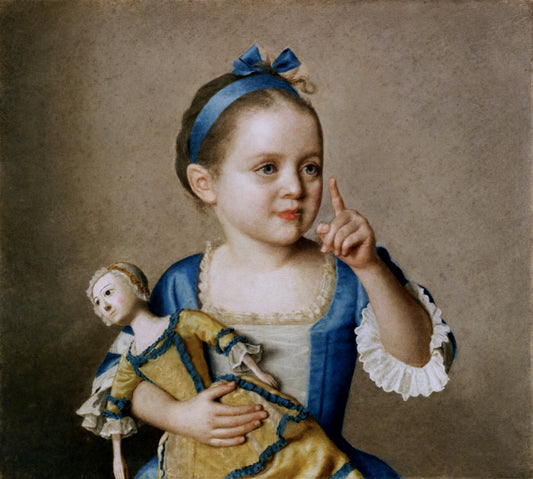
Liotard, Jean-Etienne (1702-1789) - Marianne Liotard Holding a Doll c.1775
Vendor:Digital Download - 2 imagesRegular price £0.80Regular priceUnit price per -

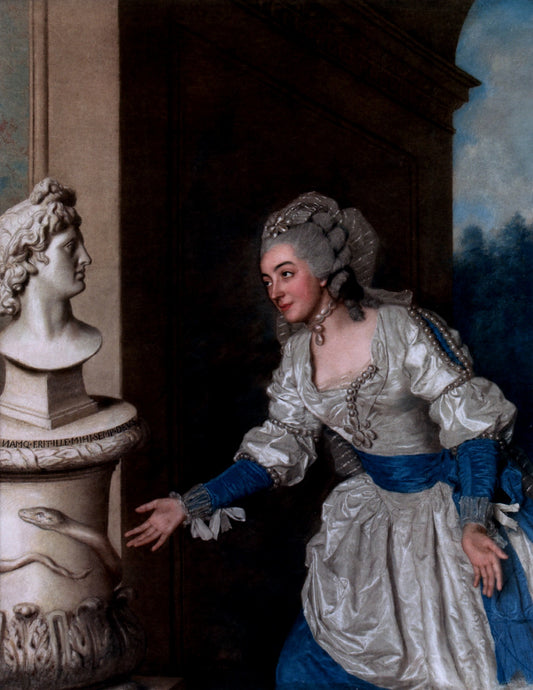
Liotard, Jean-Etienne (1702-1789) - Madame Paul Girardot de Vermenoux 1764
Vendor:Digital Download - 1 imageRegular price £0.80Regular priceUnit price per -


Liotard, Jean-Etienne (1702-1789) - Lady Anne Somerset 1755
Vendor:Digital Download - 1 imageRegular price £0.80Regular priceUnit price per -

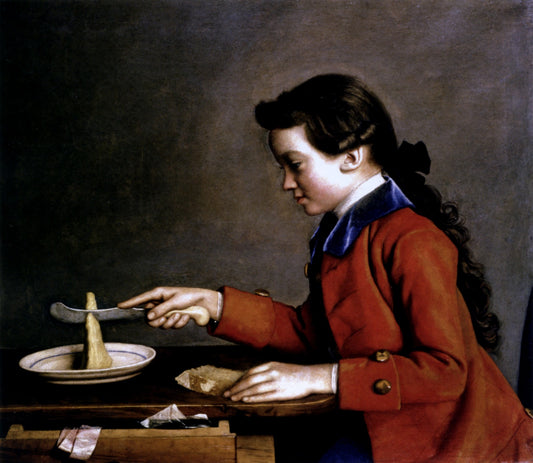
Liotard, Jean-Etienne (1702-1789) - La Beurree c.1765-70
Vendor:Digital Download - 1 imageRegular price £0.80Regular priceUnit price per -

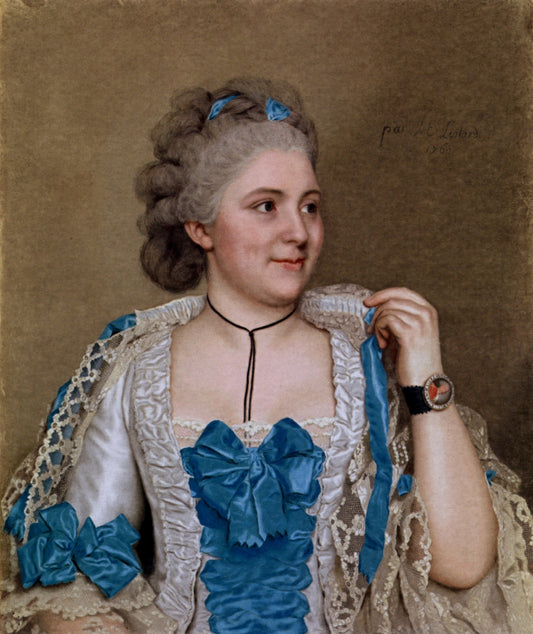
Liotard, Jean-Etienne (1702-1789) - Julie de Thelluson-Ployard 1760
Vendor:Digital Download - 2 imagesRegular price £0.80Regular priceUnit price per -

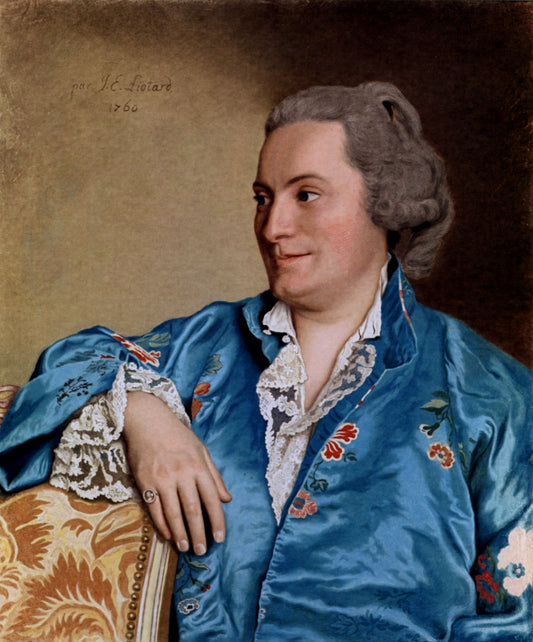
Liotard, Jean-Etienne (1702-1789) - Isaac-Louis de Thellusson 1760
Vendor:Digital Download - 2 imagesRegular price £0.80Regular priceUnit price per -

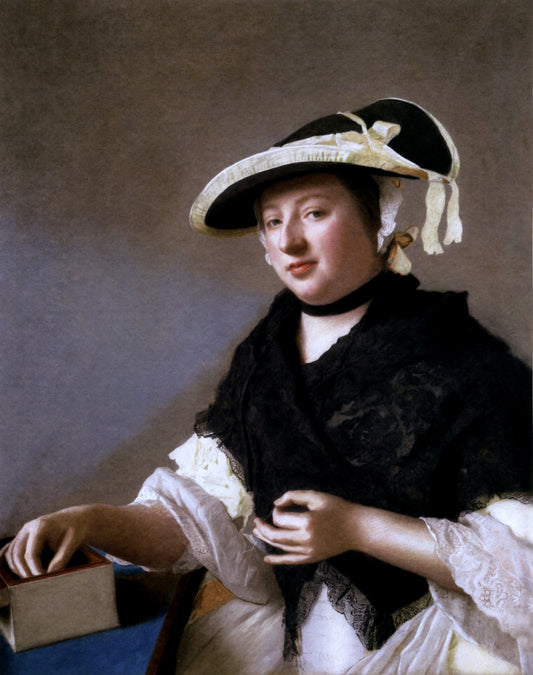
Liotard, Jean-Etienne (1702-1789) - Harriet Churchill, Lady Fawkener 1754
Vendor:Digital Download - 1 imageRegular price £0.80Regular priceUnit price per -

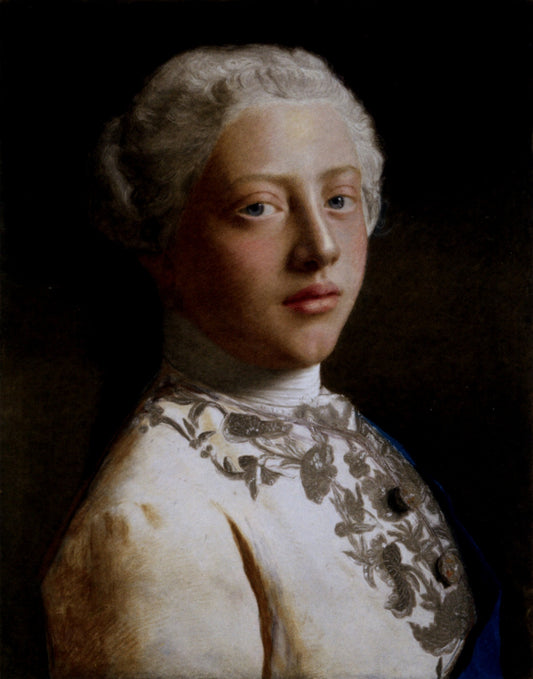
Liotard, Jean-Etienne (1702-1789) - George, Prince of Wales 1754
Vendor:Digital Download - 2 imagesRegular price £0.80Regular priceUnit price per -

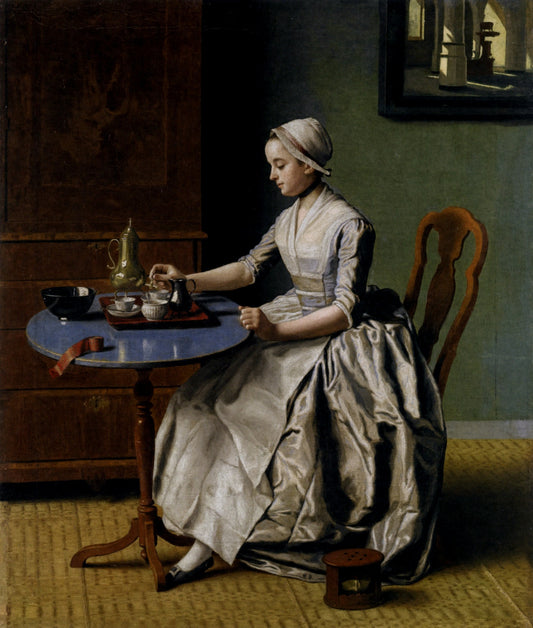
Liotard, Jean-Etienne (1702-1789) - A Dutch Girl at Breakfast 1756-7
Vendor:Digital Download - 2 imagesRegular price £0.80Regular priceUnit price per -


Liotard, Jean-Etienne (1702-1789) - Portrait of Francis Levett & Helene Giavani c.1740
Vendor:Digital Download - 2 imagesRegular price £0.80Regular priceUnit price per -


Liotard, Jean-Etienne (1702-1789) - The Chocolate Pot c.1745
Vendor:Digital Download - 1 imageRegular price £0.80Regular priceUnit price per -


Liotard, Jean-Etienne (1702-1789) - Presumed Marie Adelaide of France 1753
Vendor:Digital Download - 1 imageRegular price £0.80Regular priceUnit price per


Latest Picture Trove Blog Posts
View all-

William Morris’s Strawberry Thief: The Story Behind a Classic Arts and Crafts Pattern
Few William Morris designs are as instantly recognisable as Strawberry Thief. With its richly patterned foliage, small red strawberries and watchful birds hidden among curling leaves, it has become one of the most loved designs of the Arts and Crafts movement.
William Morris’s Strawberry Thief: The Story Behind a Classic Arts and Crafts Pattern
Few William Morris designs are as instantly recognisable as Strawberry Thief. With its richly patterned foliage, small red strawberries and watchful birds hidden among curling leaves, it has become one of the most loved designs of the Arts and Crafts movement.
-

Glasgow and the Mackintosh Style
We recently took ourselves off to Scotland, and on our travels, we popped into the Mackintosh Tea Rooms in Glasgow for a bit of a nose around and a spot of lunch.
Glasgow and the Mackintosh Style
We recently took ourselves off to Scotland, and on our travels, we popped into the Mackintosh Tea Rooms in Glasgow for a bit of a nose around and a spot of lunch.
-

A Trip to Edinburgh & Glasgow, and Scottish Art
We have just returned from a well-deserved few days' break in Scotland, visiting both Edinburgh and Glasgow, taking in Scottish art and tea rooms!
A Trip to Edinburgh & Glasgow, and Scottish Art
We have just returned from a well-deserved few days' break in Scotland, visiting both Edinburgh and Glasgow, taking in Scottish art and tea rooms!


