

Charles Le Brun (1619-1690), born in Paris, stands as one of the most influential figures in the history of French art, particularly during the seventeenth century. Recognised as a painter, decorator, designer, and art theorist, Le Brun’s career flourished under the patronage of King Louis XIV, earning him the unofficial title of “the king’s first painter.” His significant contributions to the arts were instrumental in establishing the grandiose visual language associated with the monarchy and the era known as the Grand Siècle.
Le Brun’s artistic journey began at an early age under the guidance of his father, a sculptor, and later with the painter Simon Vouet, who was then the leading artistic figure in France. In 1642, Le Brun travelled to Rome, where he absorbed the classical traditions of Italian Renaissance and Baroque art, notably under the influence of Nicolas Poussin. This period was formative for Le Brun, sharpening his compositional skills and deepening his understanding of narrative painting.
Upon his return to France, Le Brun’s career advanced rapidly. He became a founding member of the Académie Royale de Peinture et de Sculpture in 1648, an institution that would shape French art for generations. His rise continued when he was appointed Premier Peintre du Roi (First Painter to the King) in 1662. In this role, Le Brun wielded immense influence, overseeing royal artistic commissions and exerting control over the direction and standards of French art.
Le Brun’s most renowned works are intrinsically linked to the splendour of the Palace of Versailles. As chief decorator, he designed and supervised the decoration of the Hall of Mirrors, the Salon de la Guerre, and the Salon de la Paix. These monumental projects, realised with the help of a vast team of artists and craftsmen, epitomise the opulence and theatricality that characterised the reign of Louis XIV. Le Brun’s paintings and decorative schemes were not merely ornamental; they were imbued with allegorical and political meanings, glorifying the king and the state.
Apart from his decorative achievements, Le Brun was a talented portraitist and history painter. His series depicting the battles of Alexander the Great, commissioned by Louis XIV, is particularly noteworthy for its dramatic compositions, psychological insight, and grandeur. These works reinforced the parallels between Alexander and Louis XIV, serving the political ambitions of the monarchy.
Le Brun’s influence extended beyond his own oeuvre. As director of the Gobelins Manufactory, he oversaw the production of tapestries, furniture, and other decorative arts, ensuring the unity of style that came to define the Louis XIV aesthetic. His theoretical writings, particularly on the expression of the passions, also shaped academic art education and practice in France and beyond.
Le Brun’s legacy is complex. Though his style fell out of favour with the advent of Rococo, his role in crafting the visual identity of absolutist France remains undisputed. He died in 1690, leaving behind a body of work that continues to be studied for its artistry, innovation, and historical significance.
Images to download
-

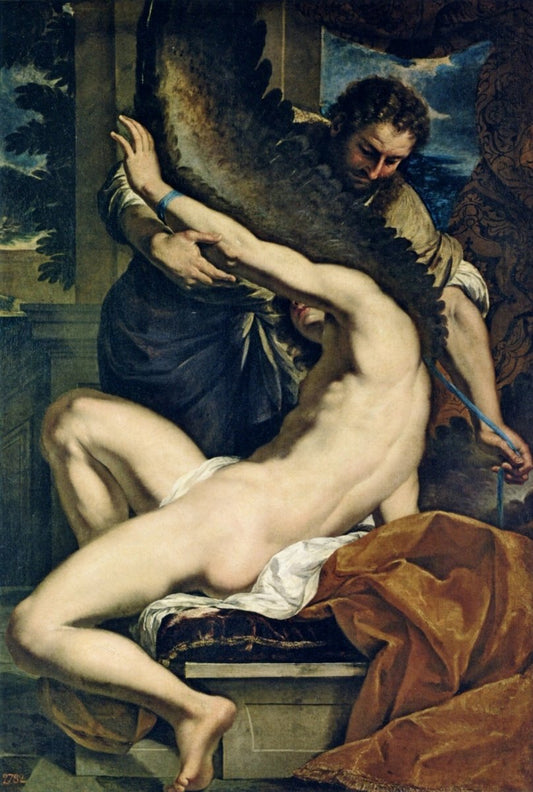
Lebrun, Charles (1619-1690) - Daedalus and Icarus c.1645-46
Vendor:Digital Download - 1 imageRegular price £0.80Regular priceUnit price per -

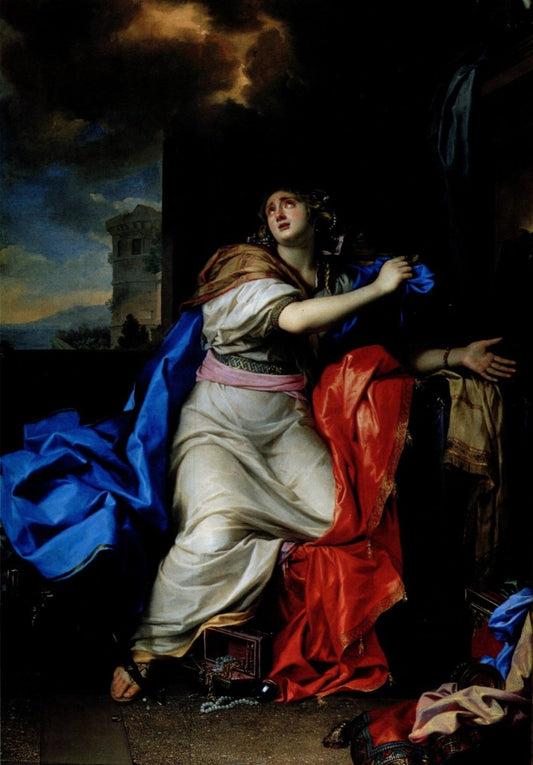
Lebrun, Charles (1619-1690) - The Repentant Magdalen 1655
Vendor:Digital Download - 1 imageRegular price £0.80Regular priceUnit price per -

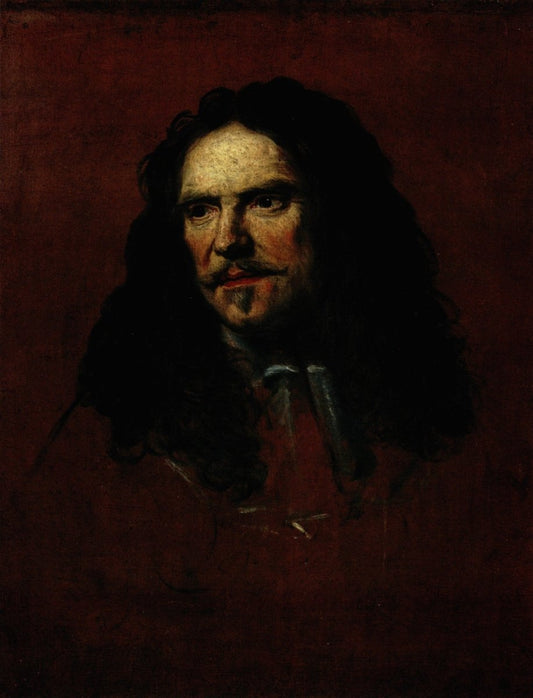
Lebrun, Charles (1619-1690) - Portrait of Turenne c.1665
Vendor:Digital Download - 1 imageRegular price £0.80Regular priceUnit price per -

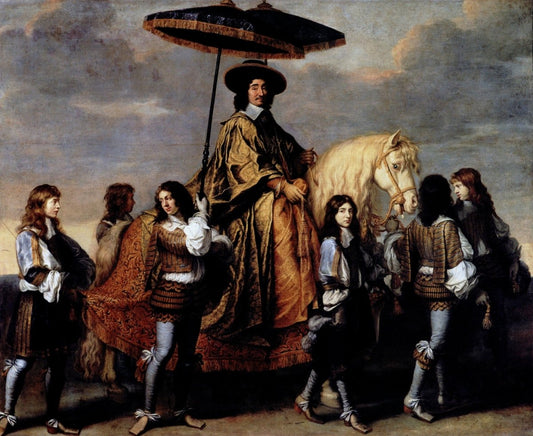
Lebrun, Charles (1619-1690) - Chancellor Sequier c.1655
Vendor:Digital Download - 1 imageRegular price £0.80Regular priceUnit price per


Latest Picture Trove Blog Posts
View all-

William Morris’s Strawberry Thief: The Story Behind a Classic Arts and Crafts Pattern
Few William Morris designs are as instantly recognisable as Strawberry Thief. With its richly patterned foliage, small red strawberries and watchful birds hidden among curling leaves, it has become one of the most loved designs of the Arts and Crafts movement.
William Morris’s Strawberry Thief: The Story Behind a Classic Arts and Crafts Pattern
Few William Morris designs are as instantly recognisable as Strawberry Thief. With its richly patterned foliage, small red strawberries and watchful birds hidden among curling leaves, it has become one of the most loved designs of the Arts and Crafts movement.
-

Glasgow and the Mackintosh Style
We recently took ourselves off to Scotland, and on our travels, we popped into the Mackintosh Tea Rooms in Glasgow for a bit of a nose around and a spot of lunch.
Glasgow and the Mackintosh Style
We recently took ourselves off to Scotland, and on our travels, we popped into the Mackintosh Tea Rooms in Glasgow for a bit of a nose around and a spot of lunch.
-

A Trip to Edinburgh & Glasgow, and Scottish Art
We have just returned from a well-deserved few days' break in Scotland, visiting both Edinburgh and Glasgow, taking in Scottish art and tea rooms!
A Trip to Edinburgh & Glasgow, and Scottish Art
We have just returned from a well-deserved few days' break in Scotland, visiting both Edinburgh and Glasgow, taking in Scottish art and tea rooms!


