

William Glackens (1870-1938) was an influential American painter whose work played a pivotal role in the development of modern art in the United States.
Born in Philadelphia, Pennsylvania, Glackens was associated with the Ashcan School, a movement that sought to portray the realities of urban life in the early 20th century. His style combined elements of Impressionism and a focus on everyday scenes, which helped to redefine American art and pave the way for future generations of artists.
From a young age, Glackens displayed a talent for drawing, which led him to pursue formal art education. He initially studied at the Pennsylvania Academy of the Fine Arts. After his studies, he worked as an illustrator for various newspapers and magazines, which influenced his artistic perspective, as he became adept at capturing the essence of everyday life. This experience informed much of his later work, where he focused on capturing urban scenes and the lives of ordinary people.
In the early 1900s, Glackens travelled to Paris, where he was profoundly inspired by the work of the Impressionists. Artists such as Claude Monet and Pierre-Auguste Renoir became significant influences on his painting style. This exposure led Glackens to adopt a more vibrant palette and a loose brushwork technique, which became defining characteristics of his mature work. His landscapes and genre scenes from this period were marked by an emphasis on light and colour, reflecting his impressionistic influences.
Returning to the United States, Glackens began producing works that sought to document the changing American landscape, particularly in urban environments. He captured the vibrancy of everyday life, often depicting bustling streets, social gatherings, and moments of leisure among the working class. His painting "The Picnic" is a fine example of this approach, evoking a relaxed atmosphere filled with light and movement, emblematic of his talent for conveying a sense of camaraderie and joy.
Glackens was also known for his portraits, where he employed brilliant colour and dynamic composition. His familiarity with his subjects allowed him to convey a sense of intimacy and connection, which became a hallmark of his portraiture. Notable among his works is the portrait of his wife, Edith, which captures not just her likeness but also her personality, expressing emotion through subtle gestures and an engaging gaze.
In addition to his painting career, Glackens was involved in various art movements. He was a founding member of the Ashcan School alongside artists like Robert Henri and John Sloan. This group sought to champion art that reflected the true nature of urban life rather than romanticised or idealised forms. They were committed to portraying realistic themes that dealt with the social issues of the time, including class struggle and the vibrancy of city life.
The impact of Glackens’ work extended beyond his lifetime. His commitment to capturing the essence of American life and his innovative use of colour laid the groundwork for future movements, including American Realism and modern art. Though he might not be as widely known today as some of his contemporaries, Glackens' contributions to the art world remain significant. His ability to infuse everyday moments with artistic beauty and emotional resonance continues to inspire artists and art lovers alike.
Glackens died in 1938, but his legacy endures through his paintings, which serve as vibrant snapshots of a dynamic era in America. Today, his work can be found in prominent collections across the country, serving as a testament to his talent and lasting influence on the trajectory of American art.
Images to download
-

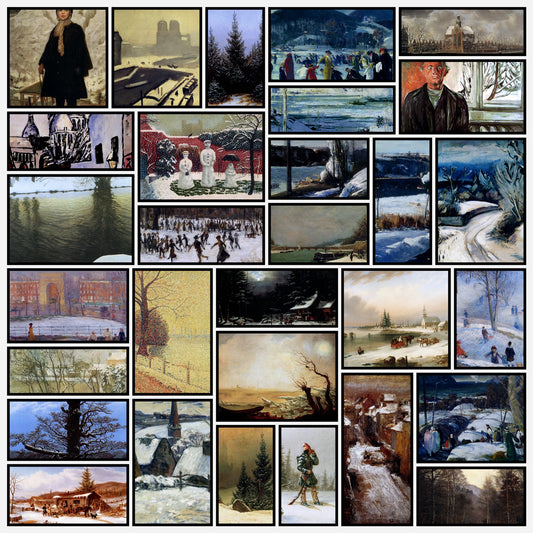
Snow Scenes - 101 High Resolution Images
Vendor:Digital Download - 101 imagesRegular price £6.00Regular priceUnit price per -

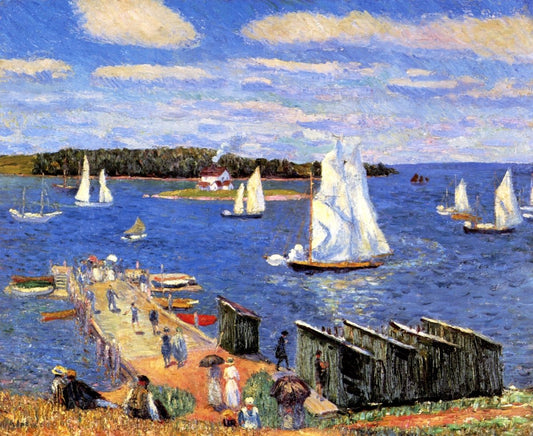
Glackens, William (1870-1938) - Mahone Bay 1911
Vendor:Digital Download - 1 imageRegular price £0.80Regular priceUnit price per -

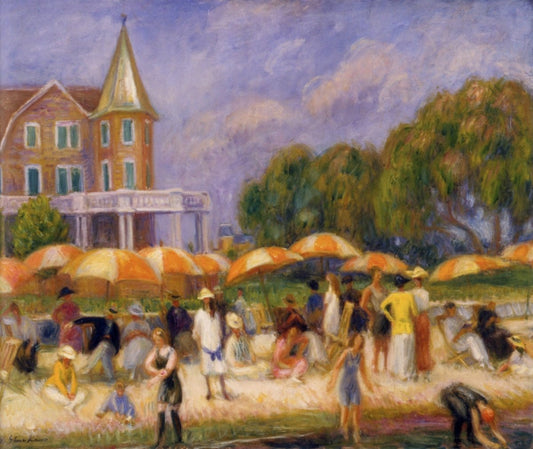
Glackens, William (1870-1938) - Beach Umbrellas as Blue Point c.1915
Vendor:Digital Download - 1 imageRegular price £0.80Regular priceUnit price per -

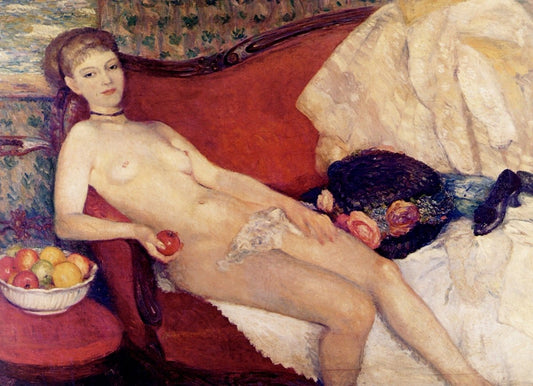
Glackens, William (1870-1938) - Nude with Apple 1910
Vendor:Digital Download - 1 imageRegular price £0.80Regular priceUnit price per -

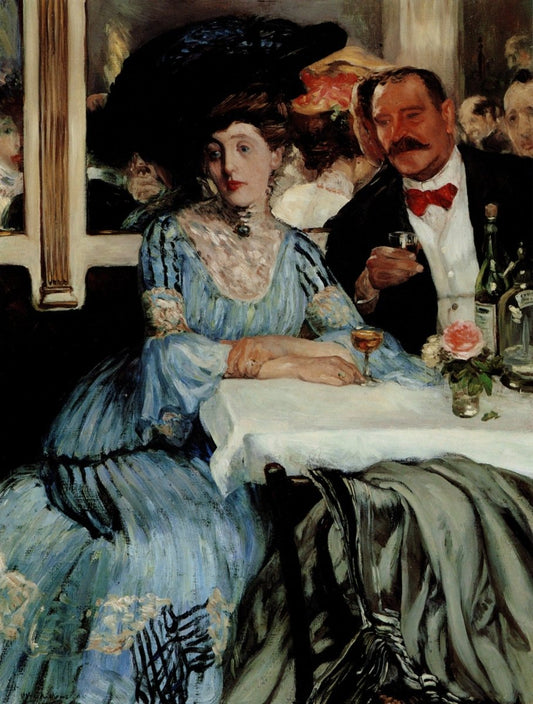
Glackens, William (1870-1938) - At Mouquin's 1905
Vendor:Digital Download - 1 imageRegular price £0.80Regular priceUnit price per


Latest Picture Trove Blog Posts
View all-

William Morris’s Strawberry Thief: The Story Behind a Classic Arts and Crafts Pattern
Few William Morris designs are as instantly recognisable as Strawberry Thief. With its richly patterned foliage, small red strawberries and watchful birds hidden among curling leaves, it has become one of the most loved designs of the Arts and Crafts movement.
William Morris’s Strawberry Thief: The Story Behind a Classic Arts and Crafts Pattern
Few William Morris designs are as instantly recognisable as Strawberry Thief. With its richly patterned foliage, small red strawberries and watchful birds hidden among curling leaves, it has become one of the most loved designs of the Arts and Crafts movement.
-

Glasgow and the Mackintosh Style
We recently took ourselves off to Scotland, and on our travels, we popped into the Mackintosh Tea Rooms in Glasgow for a bit of a nose around and a spot of lunch.
Glasgow and the Mackintosh Style
We recently took ourselves off to Scotland, and on our travels, we popped into the Mackintosh Tea Rooms in Glasgow for a bit of a nose around and a spot of lunch.
-

A Trip to Edinburgh & Glasgow, and Scottish Art
We have just returned from a well-deserved few days' break in Scotland, visiting both Edinburgh and Glasgow, taking in Scottish art and tea rooms!
A Trip to Edinburgh & Glasgow, and Scottish Art
We have just returned from a well-deserved few days' break in Scotland, visiting both Edinburgh and Glasgow, taking in Scottish art and tea rooms!


