

Annibale Carracci (1560-1609) stands as one of the pivotal figures in the history of Western art, celebrated for his role in the foundation of the Baroque style and the revitalisation of Italian painting at the turn of the seventeenth century. Born in Bologna into a family of artists, Annibale, together with his older brother Agostino and cousin Ludovico, established the influential Carracci Academy. This institution not only provided formal training to a new generation of artists but also championed a radical departure from the prevailing mannerist aesthetics of the late Renaissance.
The Carracci Academy, or Accademia degli Incamminati, was revolutionary in its insistence on the study of nature and the Old Masters. Annibale and his relatives encouraged their students to sketch from life, to explore the effects of light and anatomy, and to draw inspiration from the works of Renaissance greats such as Raphael, Titian, and Correggio. This approach fostered a clarity, naturalism, and emotional resonance that would become hallmarks of Baroque art.
Annibale Carracci’s early works already demonstrated his commitment to naturalism and his remarkable technical skill. Paintings such as “The Butcher’s Shop” exhibit a vivid observation of everyday life, rendered with a directness and humility uncommon in the art of his time. These genre scenes, with their earthy realism and careful attention to detail, signal Annibale’s desire to bridge the gap between high art and daily existence.
Perhaps Annibale’s greatest achievement lies in his frescoes for the Palazzo Farnese in Rome, commissioned by Cardinal Odoardo Farnese in 1597. The cycle, which decorates the grand gallery of the palace, is widely regarded as one of the masterpieces of Baroque decorative painting. Drawing heavily from classical mythology, the frescoes display Annibale’s masterful composition, his vibrant palette, and his innovative use of illusionistic techniques. The most celebrated of these is “The Loves of the Gods,” a series of scenes that fuse sensuality, classical grace, and dynamic movement in a manner that would profoundly influence later artists, including Guido Reni and Pietro da Cortona.
Annibale’s work in Rome marked a decisive turn in the evolution of Western art. His synthesis of the grandeur of Michelangelo, the harmonious beauty of Raphael, and the colouristic richness of Venetian painting laid the groundwork for the exuberance and drama of the Baroque. Through his teaching, his paintings, and his commitment to both tradition and innovation, Annibale Carracci reshaped the artistic landscape of his era.
Despite his achievements, Annibale’s final years were marked by personal difficulties, including disputes with his patrons and a period of ill health. He died in Rome in 1609, leaving behind a substantial legacy that would shape European art for generations. Today, Annibale Carracci is remembered not only for his technical brilliance and artistic vision but also for his pivotal role in bridging the Renaissance and the Baroque, ushering in a new era of expressive power and naturalistic beauty in painting.
Images to download
-

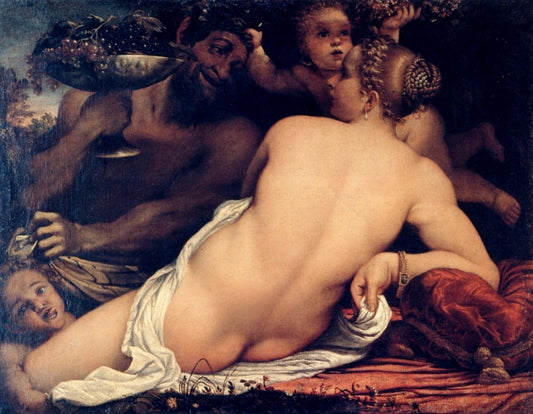
Carracci, Annibale (1560-1609) - Venus, a Satyr and Two Cupids c.1588
Vendor:Digital Download - 1 imageRegular price £0.80Regular priceUnit price per -

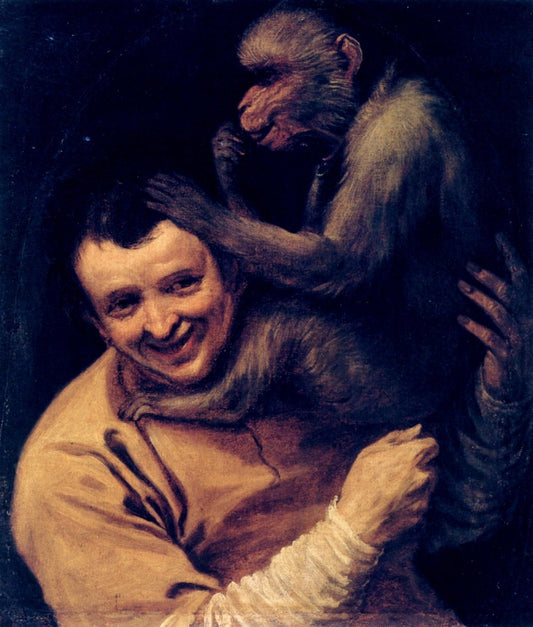
Carracci, Annibale (1560-1609) - Man with a Monkey 1590-91
Vendor:Digital Download - 1 imageRegular price £0.80Regular priceUnit price per -

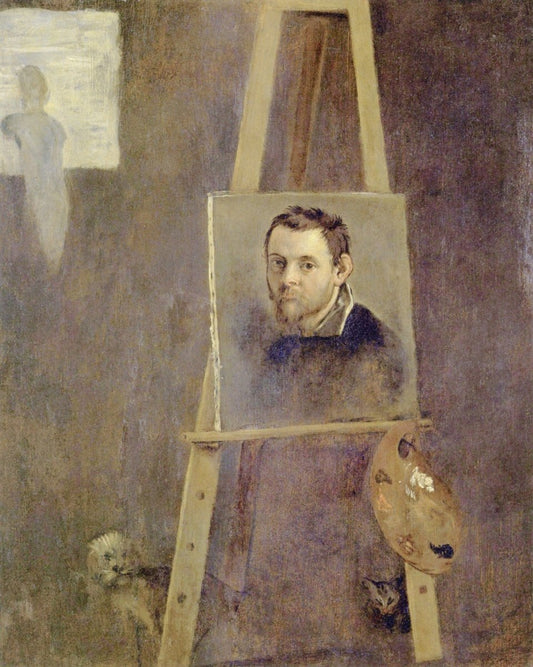
Carracci, Annibale (1560-1609) - Self-portrait on an Easel in a Workshop c.1605
Vendor:Digital Download - 1 imageRegular price £0.80Regular priceUnit price per -

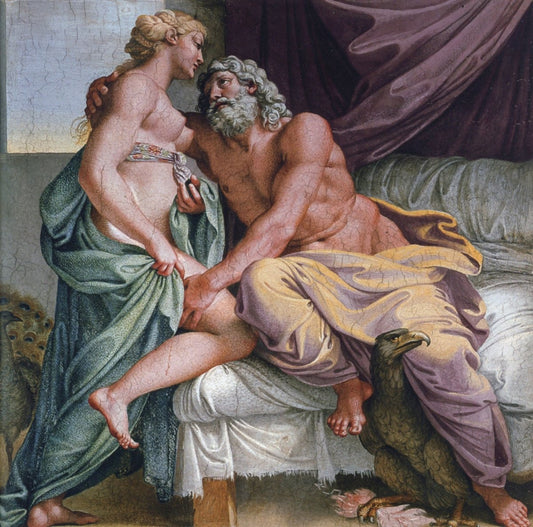
Carracci, Annibale (1560-1609) - Jupiter and Juno (detail) 1597-1600
Vendor:Digital Download - 1 imageRegular price £0.80Regular priceUnit price per -

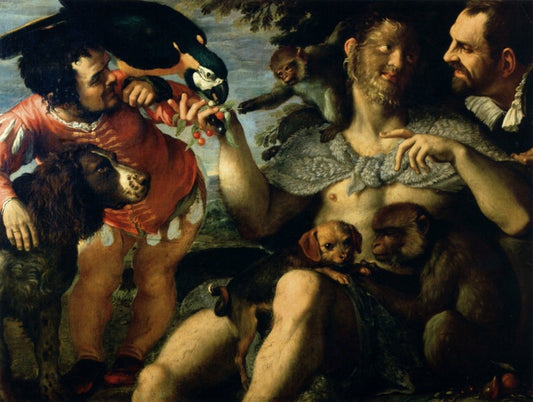
Carracci, Annibale (1560-1609) - Hairy Harry, Mad Peter & Tiny Amon c.1598
Vendor:Digital Download - 1 imageRegular price £0.80Regular priceUnit price per


Latest Picture Trove Blog Posts
View all-

William Morris’s Strawberry Thief: The Story Behind a Classic Arts and Crafts Pattern
Few William Morris designs are as instantly recognisable as Strawberry Thief. With its richly patterned foliage, small red strawberries and watchful birds hidden among curling leaves, it has become one of the most loved designs of the Arts and Crafts movement.
William Morris’s Strawberry Thief: The Story Behind a Classic Arts and Crafts Pattern
Few William Morris designs are as instantly recognisable as Strawberry Thief. With its richly patterned foliage, small red strawberries and watchful birds hidden among curling leaves, it has become one of the most loved designs of the Arts and Crafts movement.
-

Glasgow and the Mackintosh Style
We recently took ourselves off to Scotland, and on our travels, we popped into the Mackintosh Tea Rooms in Glasgow for a bit of a nose around and a spot of lunch.
Glasgow and the Mackintosh Style
We recently took ourselves off to Scotland, and on our travels, we popped into the Mackintosh Tea Rooms in Glasgow for a bit of a nose around and a spot of lunch.
-

A Trip to Edinburgh & Glasgow, and Scottish Art
We have just returned from a well-deserved few days' break in Scotland, visiting both Edinburgh and Glasgow, taking in Scottish art and tea rooms!
A Trip to Edinburgh & Glasgow, and Scottish Art
We have just returned from a well-deserved few days' break in Scotland, visiting both Edinburgh and Glasgow, taking in Scottish art and tea rooms!


